


Key Features
-
Rare Tropical Fruit Variety: Zill's Surinam Cherry is a named selection of Eugenia uniflora, a tropical and subtropical fruit-bearing shrub or small tree.
-
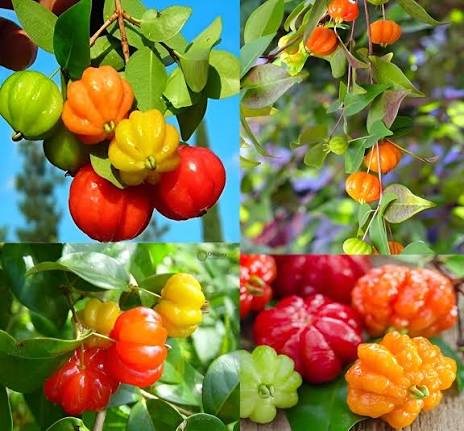
Distinctive Ribbed Fruits: Produces small, deeply ribbed, cherry-like fruits that develop vibrant colors as they ripen.
-
Attractive Evergreen Foliage: Features glossy green leaves with reddish or bronze tones during new growth.
-
Delicate White Flowers: Mature plants produce small, fragrant white flowers with prominent stamens.
-
Garden Versatility: Suitable for warm-climate home orchards, edible landscapes, large containers, and ornamental hedges.
Growing Benefits
-
Unique Fruit Harvests: Grow distinctive Surinam cherries with juicy flesh and a sweet-tart flavor that varies with ripeness and individual plants.
-
Ornamental Garden Beauty: Enjoy glossy evergreen foliage, delicate flowers, and colorful ribbed fruits.
-
Container Growing: Maintain young plants in containers and move them into protected locations during colder weather.
-
Versatile Culinary Uses: Fully ripe fruits can be enjoyed fresh or used in jams, jellies, juices, and desserts.
-
Long-Term Garden Value: Establish a perennial fruiting plant that may produce seasonal harvests for many years under favorable conditions.
Seed Specifications
-
Common Name: Zill's Surinam Cherry, Surinam Cherry, Pitanga
-
Botanical Name: Eugenia uniflora
-
Plant Family: Myrtaceae
-
Plant Type: Tropical to subtropical evergreen fruiting shrub or small tree
-
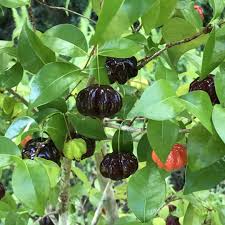
Colors: Glossy green foliage, bronze-red new growth, white flowers, and fruits that vary from red to dark purple depending on the parent selection
-
Height: Approximately six to twenty feet, depending on growing conditions and pruning
-
Sunlight: Full sun to partial shade
-
Soil: Fertile, well-drained sandy or loamy soil, preferably slightly acidic
-
Water: Regular watering during establishment; moderate watering once established
-
Germination Time: Approximately three to eight weeks under favorable conditions, sometimes longer
-
Sowing Depth: Approximately one-quarter to one-half inch
-
Spacing: Approximately eight to twelve feet between plants for fruit production, with closer spacing possible for maintained hedges
-
Growing Zones: Generally USDA zones nine through eleven, with protection from freezing temperatures
-
Flowering/Maturity: Flowers during favorable warm periods; seed-grown plants may begin fruiting in approximately three to six years
-
Uses: Fresh eating, jams, jellies, juices, ornamental hedges, edible landscaping, and tropical fruit collections
Growing Tips
-
Use Fresh Seeds: Sow freshly cleaned seeds promptly because Surinam Cherry seeds can lose viability when excessively dried.
-
Maintain Warm Conditions: Keep the growing medium around seventy-five to eighty-five degrees Fahrenheit during germination.
-
Provide Bright Sunlight: Grow established plants in full sun for favorable flowering and fruit development.
-
Harvest Fully Ripe Fruits: Allow fruits to develop their mature color and soften before harvesting for improved flavor.
Seed Storage
Store Zill's Surinam Cherry seeds only for a short period when possible. Remove remaining fruit pulp and keep freshly cleaned seeds in a suitable slightly moist, well-aerated medium until sowing. Avoid excessive drying, waterlogging, freezing temperatures, and direct sunlight. Fresh planting is recommended because Surinam Cherry seeds are sensitive to moisture loss and may lose viability during prolonged storage.
Unique Facts About Seeds
-
Not a True Cherry: Despite its common name, Surinam Cherry belongs to the Myrtaceae family rather than the rose family that includes traditional cherries.
-
Distinctive Pumpkin-Like Shape: The fruits have pronounced ribs, giving them the appearance of miniature pumpkins.
-
Colorful New Growth: Young leaves often emerge with attractive reddish or bronze coloration before turning glossy green.
-
Seedling Variation: Seeds collected from a named selection such as Zill's may produce plants with different fruit colors, flavors, and growth characteristics from the parent plant.