


Key Features
-
Traditional Japanese Culinary Herb: Yomogi (Artemisia princeps), commonly known as Japanese Mugwort, is an aromatic perennial herb traditionally used in Japanese cuisine. Its tender young leaves are especially associated with seasonal dishes such as kusa mochi and yomogi mochi.
-
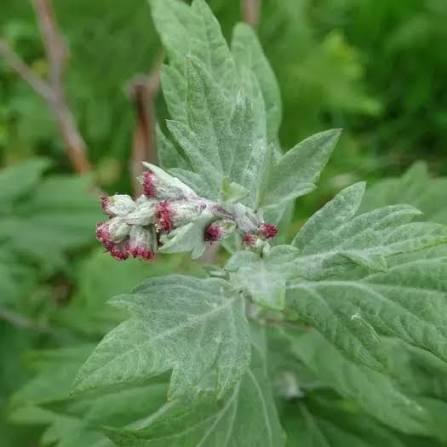
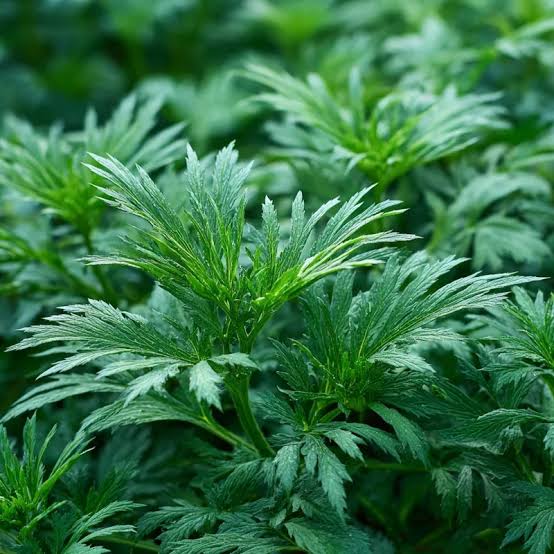
Beautiful Silver-Green Foliage: Produces deeply divided green leaves with distinctive whitish, softly hairy undersides. The contrasting foliage creates an attractive ornamental appearance in herb gardens and naturalistic landscapes.
-
Distinctive Herbal Aroma: The leaves release a strong, earthy, slightly bitter fragrance when crushed. Young foliage is traditionally prepared for culinary use, while mature leaves develop a stronger flavor.
-
Hardy Perennial Growth: Japanese Mugwort develops upright stems and spreading underground rhizomes. Once established, it returns during the growing season in suitable climates and can form substantial colonies.
-
Versatile Herb Garden Plant: Suitable for dedicated culinary herb beds, large containers, and managed perennial gardens. Its textured foliage and distinctive aroma add botanical interest to homegrown herb collections.
Growing Benefits
-
Fresh Culinary Harvests: Grow tender Yomogi leaves for traditional Japanese-inspired recipes, including rice cakes and other cooked preparations.
-
Long-Term Perennial Growth: Established plants can return year after year, providing seasonal foliage without requiring annual reseeding.
-
Attractive Textured Foliage: Deeply divided leaves with pale undersides provide contrast alongside other culinary herbs and ornamental plants.
-
Adaptable Growing Habit: Japanese Mugwort tolerates a range of garden soils and can grow in sunny locations with moderate moisture.
-
Suitable for Container Cultivation: Large containers help gardeners enjoy the plant's aromatic foliage while controlling its vigorous underground spread.
Seed Specifications
-
Common Name: Yomogi, Japanese Mugwort
-
Botanical Name: Artemisia princeps
-
Plant Family: Asteraceae
-
Type: Aromatic Perennial Culinary Herb
-
Plant Type: Herbaceous Perennial
-
Variety: Species Form
-
Flower Colors: Greenish Yellow to Pale Brown
-
Foliage Color: Green Upper Surfaces with Silvery White Undersides
-
Height: Approximately 2–5 feet
-
Spread: Variable; spreads extensively through underground rhizomes
-
Sunlight: Full Sun to Partial Shade
-
Soil: Well-Draining Loamy or Sandy Soil
-
Soil pH: Approximately 6.0–7.5
-
Water: Moderate During Establishment; Moderate to Low Once Established
-
Germination Time: Approximately 14–30 days under favorable conditions; may be irregular
-
Germination Temperature: Approximately 65–75°F
-
Sowing Depth: Surface Sow or Cover Very Lightly
-
Plant Spacing: Approximately 18–24 inches, with additional room for spreading
-
Growing Zones: Approximately USDA Zones 4–9; local hardiness may vary
-
Planting Season: Spring or Autumn, depending on climate
-
Flowering Season: Late Summer to Autumn
-
Growth Habit: Upright, Rhizomatous, Spreading Perennial
-
Native Region: East Asia
-
Uses: Culinary Herb Gardens, Traditional Japanese Cooking, Container Gardens, and Ornamental Herb Collections
-
Seed Count Per Pack: 100 pcs
-
Special Characteristics: Aromatic Foliage, Perennial Growth, Silvery Leaf Undersides, Vigorous Rhizomes
-
Growth Caution: Can spread aggressively through rhizomes and self-seeding; check local restrictions and grow in contained areas where necessary.
Growing Tips
-
Choose a Sunny Growing Location: Plant Yomogi in an area receiving at least six hours of direct sunlight daily. Partial shade is tolerated, particularly in warmer climates.
-
Use Well-Draining Garden Soil: Grow in loose loamy or sandy soil with good drainage. Avoid prolonged waterlogging, although established plants tolerate a range of soil conditions.
-
Control Underground Spreading: Japanese Mugwort spreads vigorously through rhizomes. Use large containers, raised planters with root barriers, or other contained growing areas to prevent unwanted expansion.
-
Harvest Young Tender Leaves: Collect fresh spring shoots and tender foliage before stems become tough and woody. Young leaves are traditionally preferred for culinary preparations.
-
Trim Regularly for Fresh Growth: Cutting back stems during active growth can encourage new foliage. Remove unwanted flowering stems to help limit seed dispersal.
-
Avoid Excessive Fertilization: Yomogi generally grows well without heavy feeding. Moderate soil fertility supports healthy foliage, while excessive nitrogen can encourage overly vigorous growth.
Seed Storage
-
Cool Storage: Keep Yomogi seeds in a cool, stable environment away from direct sunlight and excessive heat.
-
Dry Conditions: Store thoroughly dried seeds in airtight containers or moisture-resistant packets.
-
Moisture Protection: Avoid excessive humidity and condensation, which can encourage mold and seed deterioration.
-
Seed Identification: Label containers with the botanical name, collection date, and storage information.
-
Long-Term Preservation: Maintain cool, dry storage conditions and test older seeds for germination before large-scale sowing.
Unique Facts About the Seeds
-
Traditional Japanese Food Heritage: Yomogi has been used for generations in Japanese cuisine, especially in kusa mochi, a traditional rice cake flavored and colored with young mugwort leaves.
-
Distinctive Silvery Leaf Undersides: The leaves feature a contrast between their green upper surfaces and whitish undersides, helping distinguish the plant from many common culinary herbs.
-
Member of the Daisy Family: Although grown primarily for its foliage, Yomogi belongs to Asteraceae, the same botanical family as sunflowers, daisies, and chrysanthemums.
-
Naturally Vigorous Rhizomes: Japanese Mugwort develops underground stems that allow established plants to spread and regenerate. This makes container cultivation especially useful.
-
Small, Easily Dispersed Seeds: Yomogi produces tiny seeds following its late-season flowering period. Its ability to reproduce by both seeds and rhizomes contributes to its vigorous growth.