


Key Features
-
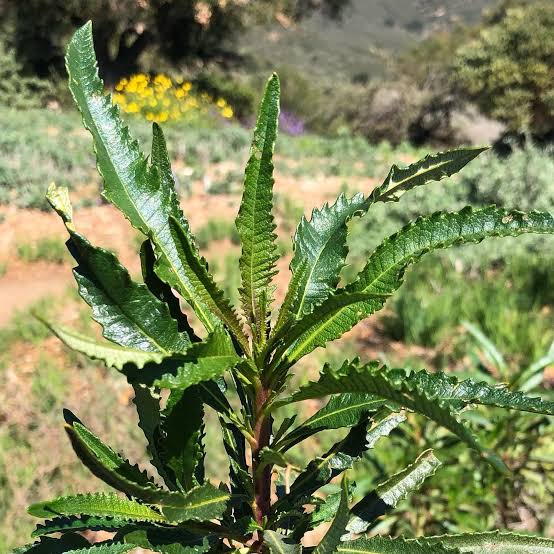
Native California Aromatic Herb: Yerba Santa (Eriodictyon californicum) is a perennial evergreen shrub native to California and Oregon. Its fragrant foliage and natural beauty make it an excellent addition to native plant gardens, aromatic herb collections, and dry landscapes.
-
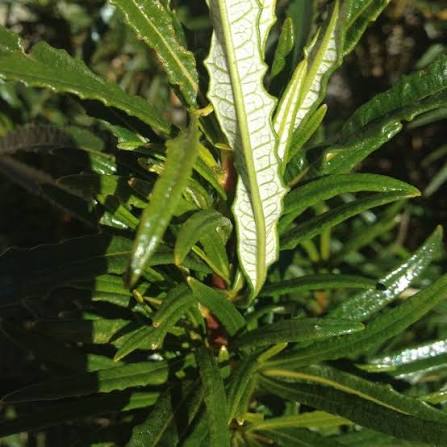
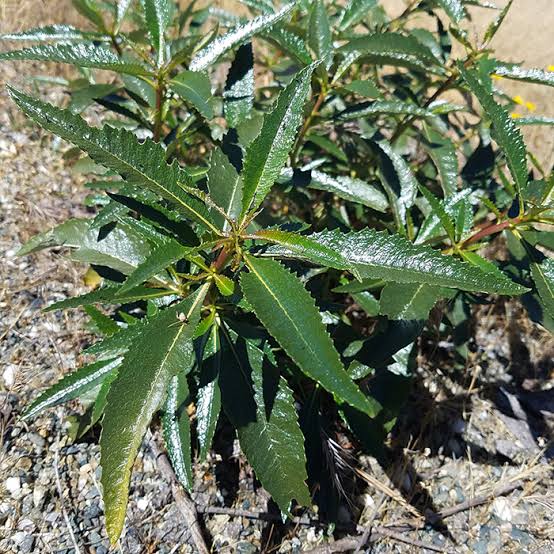
Distinctive Resinous Green Leaves: Produces elongated, leathery green leaves with a naturally sticky, resinous surface. The aromatic foliage releases a characteristic herbal scent and adds year-round texture to garden landscapes.
-
Beautiful Lavender-Purple Flowers: During spring and early summer, mature plants develop attractive clusters of small, tubular flowers ranging from pale lavender to purple. These delicate blooms create seasonal color and attract visiting pollinators.
-
Excellent Drought Adaptation: Naturally grows in dry chaparral, rocky hillsides, and open woodland environments. Once established, Yerba Santa tolerates extended dry periods and requires relatively little supplemental irrigation.
-
Traditional Botanical Heritage: Yerba Santa has a long history of traditional use among Indigenous communities of California. Today, it is appreciated for its botanical heritage, distinctive fragrance, and ornamental landscape value.
Growing Benefits
-
Water-Wise Landscaping: Established Yerba Santa plants require relatively little summer irrigation, making them suitable for drought-conscious gardens and California-inspired landscapes.
-
Year-Round Evergreen Beauty: The plant maintains attractive green foliage throughout the seasons, providing lasting structure and natural texture in sunny garden borders.
-
Supports Native Pollinators: Its tubular lavender flowers provide seasonal floral resources for bees and other visiting pollinating insects.
-
Suitable for Native Plant Gardens: Yerba Santa complements chaparral-inspired gardens, dry slopes, naturalistic landscapes, and native botanical collections.
-
Long-Lived Aromatic Growth: With suitable drainage, sunlight, and growing conditions, Yerba Santa can develop into a durable perennial shrub with fragrant foliage and seasonal flowers.
Seed Specifications
-
Common Name: Yerba Santa, California Yerba Santa, Mountain Balm
-
Botanical Name: Eriodictyon californicum
-
Plant Family: Boraginaceae
-
Type: Native Aromatic Evergreen Herb and Shrub
-
Plant Type: Woody Evergreen Perennial
-
Variety: Species Form
-
Flower Colors: Lavender, Pale Purple, Occasionally Whitish
-
Foliage Color: Green to Dark Green
-
Height: Approximately 3–8 feet
-
Spread: Approximately 3–6 feet or more
-
Sunlight: Full Sun to Light Partial Shade
-
Soil: Sandy, Rocky, Gravelly, Well-Draining Soil
-
Soil pH: Slightly Acidic to Neutral; tolerates some variation
-
Water: Low Once Established
-
Germination Time: Variable; several weeks to months or longer depending on dormancy treatment
-
Germination Temperature: Moderate temperatures following suitable seed pretreatment
-
Sowing Depth: Surface Sow or Cover Very Lightly
-
Plant Spacing: Approximately 4–6 feet
-
Growing Zones: Approximately USDA Zones 7–10, depending on local climate and drainage
-
Planting Season: Autumn to Early Spring in Mediterranean Climates
-
Flowering Season: Spring to Early Summer
-
Growth Habit: Upright, Branching, Rhizomatous Evergreen Shrub
-
Native Region: California and Oregon, United States
-
Uses: Native Herb Gardens, Aromatic Plant Collections, Xeriscaping, Pollinator Gardens, and Chaparral Landscapes
-
Seed Count Per Pack: 100 pcs
-
Special Characteristics: Aromatic Foliage, Drought Tolerant, Evergreen, Native Wildlife Value
-
Growth Caution: May spread through underground rhizomes and form colonies in favorable conditions.
Growing Tips
-
Choose a Sunny Location: Plant Yerba Santa in an area receiving at least six to eight hours of direct sunlight daily. Full sun supports healthy branching, aromatic foliage, and seasonal flowering.
-
Maintain Excellent Drainage: Use sandy, rocky, or gravelly soil that drains readily. Avoid heavy clay and persistently wet soil, particularly during winter.
-
Understand Seed Dormancy: Yerba Santa seeds can be difficult to germinate because they are adapted to fire-prone chaparral environments. Appropriate seed pretreatment may improve germination, although results vary between seed lots.
-
Water Carefully During Establishment: Keep young seedlings lightly moist while their roots develop. Once plants are established, gradually reduce irrigation to match their natural preference for drier conditions.
-
Allow Room for Spreading: Mature Yerba Santa plants may spread through underground rhizomes. Provide sufficient space or use suitable barriers where spreading is undesirable.
-
Protect Young Seedlings: Remove competing weeds and avoid disturbing developing roots. Provide suitable moisture and drainage during early growth.
Seed Storage
-
Cool Storage: Keep Yerba Santa seeds in a cool, stable environment away from direct sunlight and excessive heat.
-
Dry Conditions: Store thoroughly dried seeds in airtight containers or moisture-resistant packets until ready for propagation.
-
Moisture Protection: Avoid condensation and excessive humidity that may encourage fungal growth or seed deterioration.
-
Seed Identification: Label containers with the botanical name, collection date, and any completed seed treatments.
-
Long-Term Preservation: Maintain cool, dry storage conditions and test older seed lots for germination before large-scale sowing.
Unique Facts About the Seeds
-
Fire-Adapted Germination: Yerba Santa seeds are adapted to chaparral environments where fire and soil disturbance can influence germination. Dormant seeds may remain in the soil until favorable conditions occur.
-
Meaning Behind the Name: The Spanish name Yerba Santa means "holy herb," reflecting the plant's long cultural and botanical history.
-
Naturally Resinous Leaves: Its sticky, aromatic foliage contains naturally occurring resins that contribute to the plant's distinctive appearance and fragrance.
-
Traditional Indigenous Heritage: Yerba Santa has a history of traditional botanical use among Indigenous communities of California, particularly in regional herbal practices.
-
Underground Regeneration: In addition to producing seeds, Yerba Santa spreads through underground rhizomes that can generate new shoots and help established plants recover after certain disturbances.