


Key Features
-
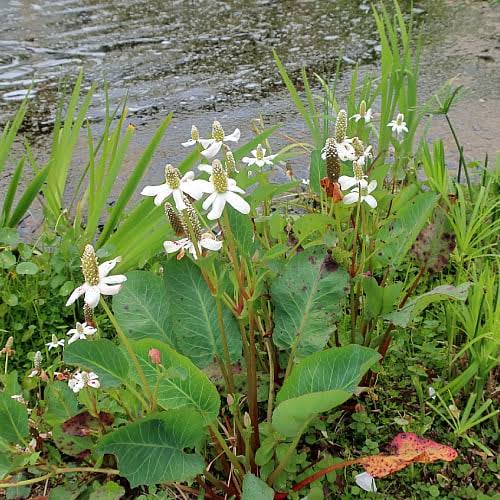
Native North American Wetland Herb: Yerba Mansa (Anemopsis californica) is an herbaceous perennial native to the southwestern United States and northern Mexico. Its distinctive foliage and attractive flowers make it an excellent addition to rain gardens, pond margins, and native wetland landscapes.
-
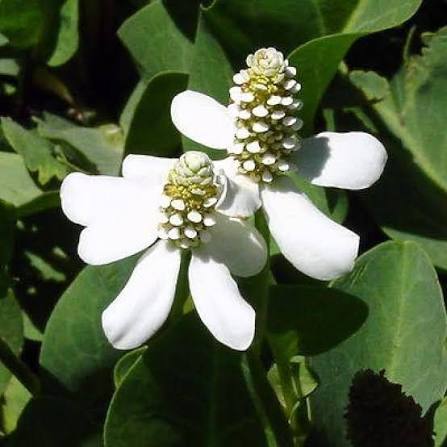
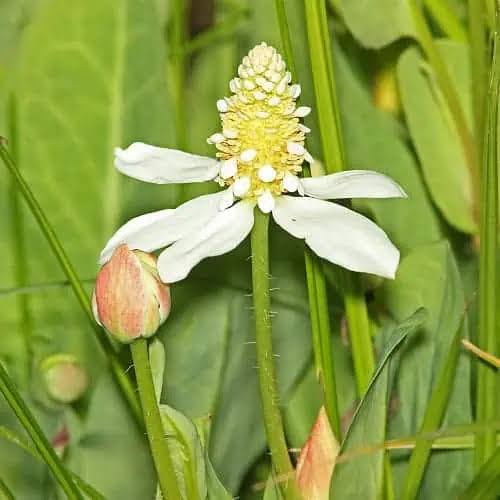
Beautiful White Cone-Like Flowers: Produces unusual flower structures featuring a central cone-shaped spike surrounded by showy white petal-like bracts. These distinctive blooms create an elegant ornamental display during spring and summer.
-
Attractive Green Foliage: Develops broad, green, somewhat heart-shaped leaves on upright stems. The foliage provides lush texture and natural beauty in moist garden environments.
-
Aromatic Perennial Growth: The plant has a distinctive aromatic character, especially in its roots and underground stems. Yerba Mansa has a long history of traditional botanical use among Indigenous communities of the American Southwest.
-
Excellent Moisture-Loving Plant: Unlike many drought-adapted southwestern species, Yerba Mansa naturally thrives in moist soils, wetlands, and areas with seasonal water availability.
Growing Benefits
-
Ideal for Rain Gardens: Suitable for consistently moist areas, rain gardens, and pond margins where many conventional garden plants struggle.
-
Attractive Seasonal Flowers: Showy white bracts surrounding the flower spikes create distinctive ornamental interest during the growing season.
-
Supports Native Biodiversity: Provides vegetation and floral resources for insects in suitable wetland and riparian habitats.
-
Spreading Perennial Groundcover: Established plants spread through underground rhizomes, gradually forming attractive colonies in moist garden areas.
-
Long-Term Native Garden Value: With suitable moisture and growing conditions, Yerba Mansa can return year after year and provide lasting botanical interest.
Seed Specifications
-
Common Name: Yerba Mansa, Lizard Tail, Anemopsis
-
Botanical Name: Anemopsis californica
-
Plant Family: Saururaceae
-
Type: Native Perennial Wetland Herb
-
Plant Type: Herbaceous Rhizomatous Perennial
-
Variety: Species Form
-
Flower Colors: White Bracts with Cream to Yellowish Central Flower Spikes
-
Foliage Color: Medium to Dark Green
-
Height: Approximately 1–2 feet
-
Spread: Approximately 2–3 feet or more through rhizomes
-
Sunlight: Full Sun to Partial Shade
-
Soil: Moist, Rich, Loamy, Clay, or Wetland Soil
-
Soil pH: Approximately 6.0–8.0
-
Water: High; prefers consistently moist to wet soil
-
Germination Time: Approximately 2–6 weeks under favorable conditions; may vary
-
Germination Temperature: Approximately 65–75°F
-
Sowing Depth: Surface Sow or Cover Very Lightly
-
Plant Spacing: Approximately 12–24 inches
-
Growing Zones: Generally USDA Zones 5–10, depending on local climate and winter conditions
-
Planting Season: Spring or Autumn, depending on climate
-
Flowering Season: Spring to Summer
-
Growth Habit: Low-Growing, Spreading, Rhizomatous Perennial
-
Native Region: Southwestern United States and Northern Mexico
-
Uses: Rain Gardens, Wetland Gardens, Pond Margins, Native Landscapes, and Moist Garden Borders
-
Seed Count Per Pack: 100 pcs
-
Special Characteristics: Moisture Loving, Native Perennial, Aromatic Rhizomes, Showy White Bracts
-
Growth Caution: Can spread through underground rhizomes in consistently moist soil.
Growing Tips
-
Maintain Consistent Soil Moisture: Yerba Mansa thrives in moist to wet conditions. Keep the soil consistently damp during germination and establishment, and avoid allowing young plants to dry out.
-
Choose a Suitable Wetland Location: Plant near ponds, rain gardens, drainage swales, or other naturally moist areas. Avoid dry, sandy locations unless reliable irrigation is available.
-
Provide Adequate Sunlight: Grow in full sun to partial shade. In hot climates, some afternoon shade may help reduce moisture stress.
-
Allow Room for Spreading: Yerba Mansa spreads through underground rhizomes and can form colonies. Use containers or controlled planting areas if spreading is undesirable.
-
Use Nutrient-Rich Soil: Incorporate mature compost or organic matter into suitable garden soil to support healthy foliage and root development.
-
Protect Young Plants: Keep seedlings moist, remove competing weeds, and avoid disturbing developing roots during early growth.
Seed Storage
-
Cool Storage: Keep Yerba Mansa seeds in a cool, stable environment away from direct sunlight and excessive heat.
-
Dry Conditions: Store properly cleaned and dried seeds in airtight containers or moisture-resistant packets until ready for propagation.
-
Moisture Protection: Avoid condensation and excessive humidity during storage, unless seeds are undergoing a recommended moist stratification treatment.
-
Seed Identification: Label seed containers with the botanical name, collection date, and storage information.
-
Long-Term Preservation: Maintain suitable cool storage conditions and test older seed lots for germination before large-scale sowing.
Unique Facts About the Seeds
-
Distinctive Flower Structure: Yerba Mansa's showy white structures are actually bracts surrounding a dense central spike of many tiny flowers, rather than individual large flower petals.
-
Member of the Lizard's Tail Family: Anemopsis californica belongs to Saururaceae, a small botanical family associated with moisture-loving plants.
-
Traditional Indigenous Heritage: Yerba Mansa has a long history of traditional botanical use among Indigenous peoples of the American Southwest and northern Mexico.
-
Naturally Spreading Rhizomes: Established plants develop underground stems that allow them to spread and form colonies in suitable moist habitats.
-
Adapted to Southwestern Wetlands: Although native to regions known for arid landscapes, Yerba Mansa naturally grows in wet meadows, marshes, and riparian environments where water is available.