Skip to product information
1 of 3

EdenValleySeeds

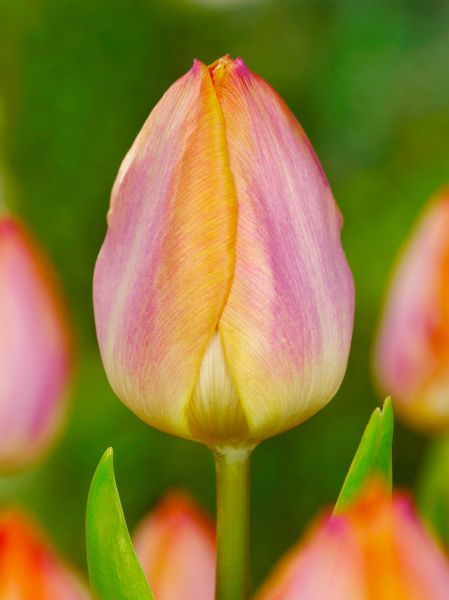
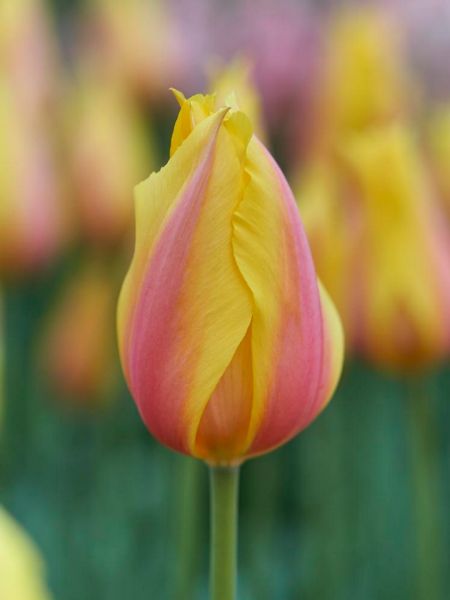
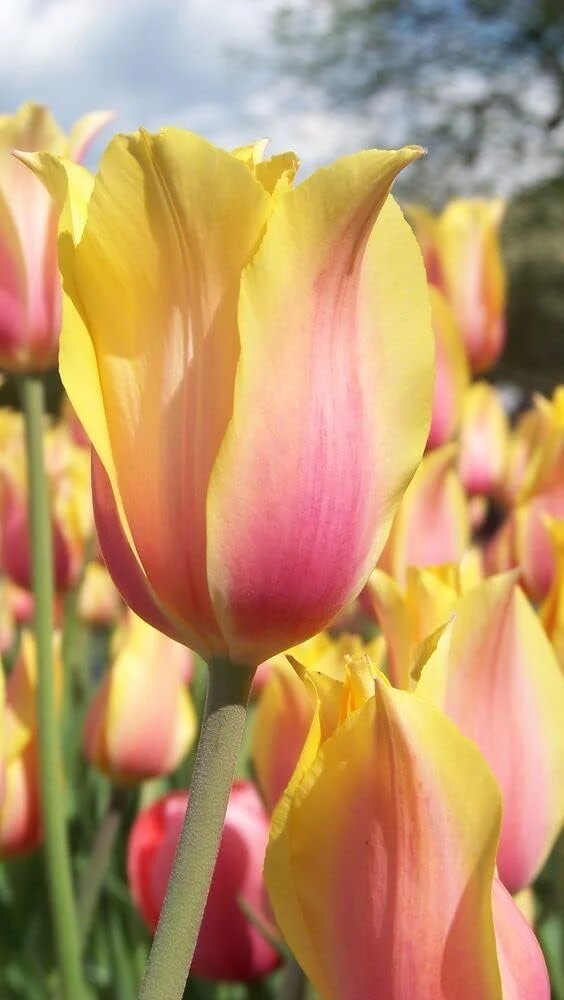
Yellow Pink Tulip Flower Seeds for Planting – Heirloom Non-GMO Premium Garden Seeds

Yellow Pink Tulip Flower Seeds for Planting – Heirloom Non-GMO Premium Garden Seeds

No reviews yet
Regular price $16.99 USD
Regular price Sale price $16.99 USD
Sale Sold out
Size
Quantity
Free shipping on every order Order today and estimated delivery is Sep 16 – Sep 19
Ordered Sep 01
Order Ready Sep 03 – Sep 05
Delivered Sep 16 – Sep 19
✓ Secure checkout ✓ Carefully packed seeds ✓ Tracked delivery ✓ Quality-focused selection
View full details

Key Features

  • Produces charming tulip-style blooms in attractive yellow and pink shades.
  • Elegant flowers add cheerful color to spring garden displays.
  • Excellent for flower beds, borders, cottage gardens, and containers.
  • Upright blooms create a classic and graceful ornamental appearance.
  • A lovely choice for gardeners seeking colorful seasonal flower displays.

Growing Benefits

  • Adds bright yellow and pink color to spring landscapes.
  • Creates attractive floral displays for beds and garden borders.
  • Suitable for gardeners who enjoy growing distinctive ornamental flowers.
  • Provides beautiful blooms for seasonal garden decoration.
  • Works well alongside other spring-flowering plants and bulbs.

Seed Specifications

  • Common Name: Yellow Pink Tulip
  • Botanical Name: Tulipa spp.
  • Plant Type: Spring-flowering bulbous perennial
  • Colors: Yellow and pink
  • Height: Approximately six to twenty-four inches, depending on variety
  • Sunlight: Full sun to partial shade
  • Soil: Fertile, well-drained soil
  • Water: Moderate moisture; avoid waterlogged soil
  • Germination Time: Variable; seeds may require extended dormancy and patience
  • Sowing Depth: Approximately one-quarter to one-half inch
  • Spacing: Approximately four to six inches for young plants
  • Growing Zones: Generally USDA Zones three through eight, depending on variety
  • Flowering/Maturity: Usually blooms in spring; seed-grown tulips may take several years to flower
  • Uses: Flower beds, borders, containers, cottage gardens, ornamental displays

Growing Tips

  • Sow seeds in a well-drained medium and avoid excessive moisture.
  • Provide bright sunlight after seedlings emerge for sturdy growth.
  • Keep young plants protected from extreme heat and drying conditions.
  • Be patient, as tulips grown from seed can take several seasons to bloom.

Seed Storage

Store seeds in a cool, dry, dark location away from humidity and direct sunlight. Keep them in a sealed, moisture-resistant container until planting. Avoid storing seeds in warm or damp areas.

Unique Facts About Seeds

  • Tulips belong to the genus Tulipa and are members of the lily family.
  • Growing tulips from seed is much slower than growing them from established bulbs.
  • Seed-grown tulips can show variation in flower color and form compared with their parent plants.
  • Tulip seeds develop inside capsules that split open when mature, releasing the seeds.

Growing Instructions

Planting Season:

For seed propagation, sow during the appropriate cool season and provide the chilling conditions required for tulip seed dormancy. Timing can vary according to climate and cultivar.

Sowing:

Sow seeds in a clean, well-drained seed-starting medium. Place them carefully on the growing surface and cover lightly with fine growing medium.

Depth & Spacing:

Use shallow sowing because very small seeds should not be buried deeply. Space seedlings sufficiently to reduce competition as they develop.

Sunlight:

Provide full sun for established plants. A bright location supports stronger growth and better flowering once plants reach maturity.

Soil:

Use fertile, loose, well-drained soil with good organic matter. Avoid poorly drained locations where water can accumulate.

Watering:

Keep the seed-starting medium evenly moist during germination. Once plants are established, water when the upper soil begins to dry while avoiding prolonged saturation.

Germination:

Tulip seeds have dormancy requirements and may need a period of cool, moist conditions before they germinate. Germination can be slow and uneven.

Transplanting:

Transplant young seedlings carefully once they are well established and strong enough to handle movement. Minimize root disturbance during transplanting.

Fertilizing:

Use fertile soil and provide a balanced fertilizer during active growth when needed. Avoid excessive nitrogen, which can encourage foliage at the expense of flowers.

Care:

Remove competing weeds and maintain suitable moisture throughout active growth. Allow foliage to naturally mature after flowering so the developing underground bulb can store energy.

Flowering & Maturity:

Seed-grown tulips require patience and may take multiple growing seasons before producing flowers. Mature plants typically bloom during the spring season.