Skip to product information
1 of 3

EdenValleySeeds

Yellow Mustard Vegetable Seeds for Planting – Heirloom Garden Greens for Home Gardens

Yellow Mustard Vegetable Seeds for Planting – Heirloom Garden Greens for Home Gardens

No reviews yet
Regular price $16.99 USD
Regular price Sale price $16.99 USD
Sale Sold out
Size
Quantity
Free shipping on every order Order today and estimated delivery is Sep 13 – Sep 16
Ordered Aug 29
Order Ready Aug 31 – Sep 02
Delivered Sep 13 – Sep 16
✓ Secure checkout ✓ Carefully packed seeds ✓ Tracked delivery ✓ Quality-focused selection

Bundle & Save

Choose a bundle to unlock savings

Up to 20% off

Select a bundle to see your savings

View full details

Key Features

  • Produces flavorful green leaves with a classic mustard taste.
  • Cool-season vegetable known for fast-growing, leafy growth.
  • Young leaves can be harvested for fresh salads, cooking, and greens.
  • Suitable for vegetable gardens, raised beds, containers, and cottage gardens.
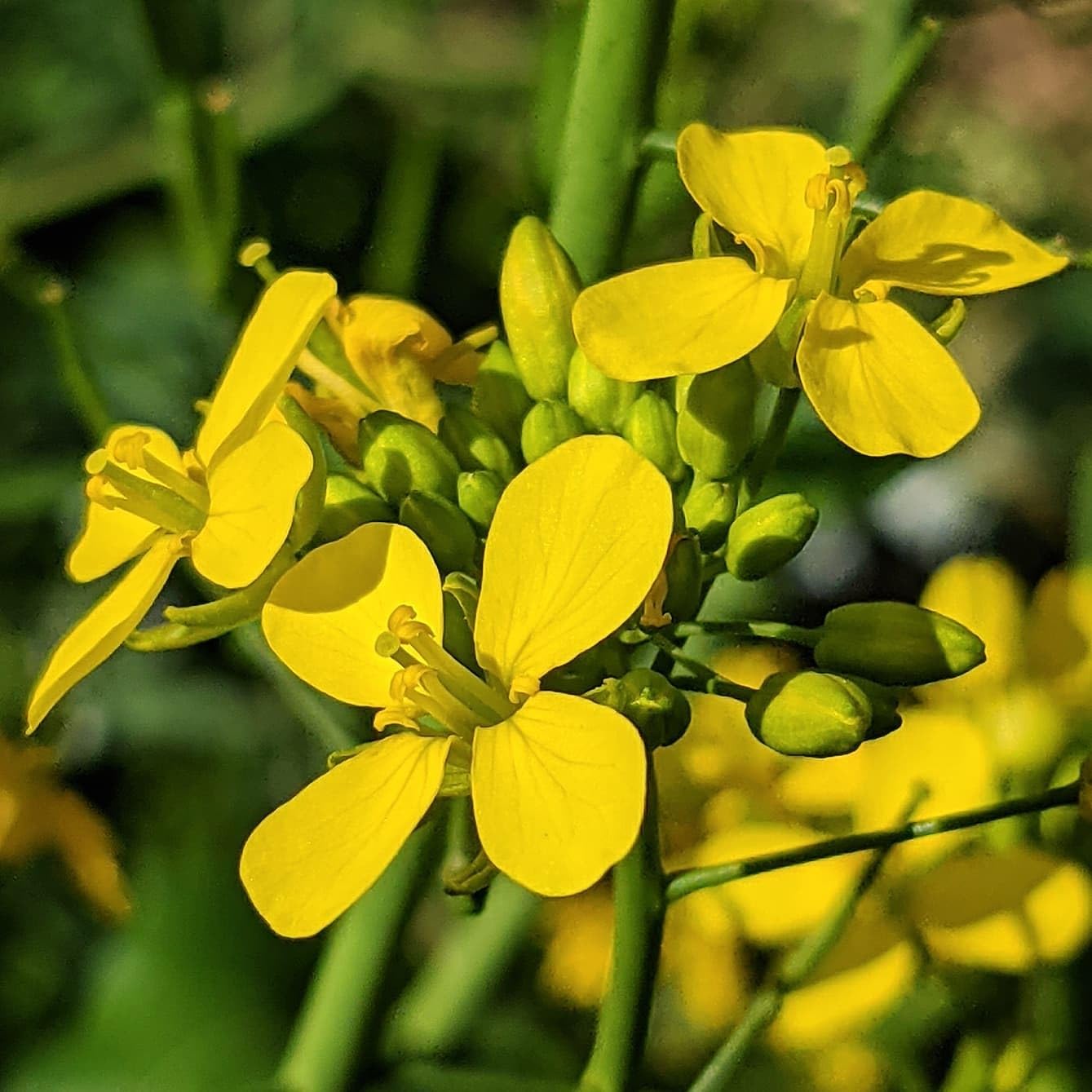
  • Can produce small yellow flowers if plants are allowed to mature and bolt.

Growing Benefits

  • Provides a productive leafy vegetable for cool-season gardens.
  • Offers tender young greens for a variety of kitchen uses.
  • Fast growth makes it suitable for gardeners wanting earlier harvests.
  • Works well in containers, raised beds, and traditional garden plots.
  • Allows gardeners to harvest leaves at different stages of growth.

Seed Specifications

  • Common Name: Yellow Mustard, Yellow Mustard Greens
  • Botanical Name: Brassica juncea
  • Plant Type: Annual leafy vegetable
  • Colors: Green leaves; yellow flowers when mature
  • Height: Approximately one to two feet
  • Sunlight: Full sun to partial shade
  • Soil: Fertile, well-drained soil rich in organic matter
  • Water: Moderate and consistent moisture
  • Germination Time: Generally about five to ten days under suitable conditions
  • Sowing Depth: Approximately one-quarter inch deep
  • Spacing: Thin plants to approximately six to twelve inches apart
  • Growing Zones: Generally suitable as a cool-season crop across many USDA Zones
  • Flowering/Maturity: Baby leaves can be harvested within several weeks; mature greens take longer depending on conditions
  • Uses: Salads, cooked greens, stir-fries, soups, pickling, container gardening, and raised beds

4 Growing Tips

  • Sow seeds directly into loose, well-drained soil during cool weather.
  • Keep the seedbed evenly moist until seedlings emerge.
  • Thin young plants to provide enough room for healthy leaf development.
  • Harvest outer leaves regularly while they are young and tender.

Seed Storage

Store unused seeds in a cool, dry, dark place away from moisture and heat. Keep them in a sealed, moisture-resistant container and protect them from humidity and direct sunlight.

Unique Facts About Seeds

  • Yellow mustard greens are commonly associated with Brassica juncea, a species in the cabbage family.
  • Mustard greens are cool-season vegetables and generally perform best in moderate temperatures.
  • The plant can produce small yellow flowers when it reaches the flowering stage.
  • Mustard seeds have been cultivated and used as a food and spice crop for centuries.

Growing Instructions

Planting Season: Sow Yellow Mustard Vegetable Seeds during the cool season. In mild climates, seeds can be planted in fall, winter, or early spring. Avoid extreme heat for best leaf quality.

Sowing: Prepare loose, fertile soil and remove weeds. Sow seeds directly into the garden, raised bed, or container. Cover lightly with soil and gently water.

Depth & Spacing: Plant seeds approximately one-quarter inch deep. Once seedlings emerge, thin them to about six to twelve inches apart.

Sunlight: Grow in full sun for vigorous development. Partial shade can be beneficial in warmer climates by helping reduce heat stress.

Soil: Use fertile, well-drained soil enriched with organic matter. Avoid areas where water remains standing after irrigation or rainfall.

Watering: Keep the soil evenly moist throughout germination and leaf development. Water when the soil surface begins to dry.

Germination: Seeds generally germinate within about five to ten days under suitable moisture and temperature conditions.

Transplanting: Direct sowing is recommended. If starting indoors, transplant young seedlings carefully once they have developed several true leaves and outdoor conditions are suitable.

Fertilizing: Incorporate compost or well-aged organic matter before planting. A balanced vegetable fertilizer can be used when needed according to soil conditions and product directions.

Care: Keep the planting area free of weeds and maintain consistent moisture. Thin crowded seedlings to improve airflow and leaf development. Monitor plants regularly for common brassica pests.

Harvesting: Harvest young leaves for a tender texture or allow plants to develop larger leaves for cooking. Pick outer leaves first so the plant can continue producing.

Flowering/Maturity: Plants mature relatively quickly compared with many garden vegetables. If left unharvested, they may bolt and produce yellow flowers, particularly as temperatures rise.