


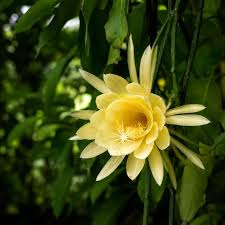
Grow Yellow Marquezii from heirloom non-GMO seeds for a distinctive globular cactus with ribbed texture and ornamental spines. An intriguing choice for cactus collections, containers, sunny windowsills, rock gardens, and greenhouse displays.
Key Features
-
Produces a compact, rounded cactus with pronounced ribbed texture.
-
Develops distinctive spine clusters as plants mature.
-
Heirloom, non-GMO seed choice for cactus enthusiasts.
-
Ideal for containers, rock gardens, greenhouses, and sunny indoor spaces.
-
Prefers bright light and sharply draining growing medium.
-
Offers unique collector appeal for specialty succulent collections.
Growing Benefits
-
Adds distinctive form and texture to cactus collections.
-
Works well in compact containers and specialty plant displays.
-
Provides an enjoyable long-term project for seed growers.
-
Fits naturally into rock and succulent garden designs.
-
Offers seasonal flowering interest as mature plants develop.
Seed Specifications
-
Common Name: Marquezii Cactus, Gymnocalycium Marquezii
-
Botanical Name: Gymnocalycium pflanzii; Gymnocalycium marquezii is an associated synonym
-
Plant Type: Perennial succulent cactus
-
Family: Cactaceae
-
Stem Color: Green to yellowish-green, sometimes with darker or purplish tones
-
Flower Color: Typically pale whitish-pink to deeper salmon-pink tones; seed-grown plants may vary
-
Flower Shape: Short-tubed, funnel-like cactus flowers
-
Growth Habit: Globular, generally solitary and sometimes clustering with age
-
Spines: Curved, clustered spines with coloration varying by plant
-
Sunlight: Bright light to full sun, with protection from extreme heat when necessary
-
Soil: Gritty, porous, sharply drained cactus soil
-
Water: Low to moderate; allow the growing medium to dry between waterings
-
Germination Time: Approximately 1–4 weeks under favorable conditions
-
Sowing Depth: Surface sow or cover very lightly
-
Spacing: Approximately 3–6 inches for young plants, with additional room as specimens mature
-
Growing Zones: Generally suited to warm USDA Zones 9–11; container growing is recommended in colder climates
-
Flowering/Maturity: Mature plants may flower during the warmer growing season; seed-grown plants require patience
-
Uses: Cactus collections, containers, rock gardens, greenhouses, sunny windowsills, and ornamental succulent displays
Growing Tips
-
Use a sterile, gritty cactus seed-starting mix with excellent drainage.
-
Scatter seeds on the surface and avoid deep planting.
-
Provide warmth, bright filtered light, and gentle moisture during germination.
-
Gradually increase airflow and reduce moisture as seedlings become established.
Growing Instructions
Planting Season: Sow during a warm growing period. Indoor or greenhouse sowing provides better control of temperature and moisture in cooler climates.
Sowing: Fill a shallow container with a fine, porous cactus or succulent seed-starting medium. Scatter the seeds across the surface and gently press them into the medium.
Depth: Surface sow or cover with only a very thin layer of fine material. Avoid burying the tiny seeds deeply.
Spacing: Young seedlings can initially grow together in a shallow tray. Separate established seedlings once they become large enough to handle safely.
Sunlight: Provide bright filtered light during early seedling development. Gradually introduce stronger sunlight as plants become established.
Soil: Use a gritty cactus mix that drains rapidly and does not remain wet. Avoid heavy garden soil.
Watering: Keep the growing medium lightly moist during germination. Once seedlings are established, allow the surface to dry between careful waterings.
Germination: Seeds may germinate within approximately 1–4 weeks under favorable conditions. Temperature, moisture, seed freshness, and growing conditions can influence germination speed.
Thinning: Separate crowded seedlings carefully after they develop enough growth to handle. Give individual plants sufficient airflow and space.
Transplanting: Move established seedlings into individual containers using fresh cactus soil. Handle young roots carefully and avoid unnecessary disturbance.
Fertilizing: Young seedlings require little fertilizer. Once established, feed lightly with a diluted cactus fertilizer during active growth according to product directions.
Care: Maintain excellent drainage and good airflow. Avoid frequent watering when temperatures are cool or the plant is dormant.
Flowering/Maturity: Mature Gymnocalycium plants can produce attractive flowers during the growing season. Seed-grown plants may require several years before reaching flowering size.
Container Growing: Use small containers with drainage holes and a porous cactus mix. Gradually move plants into larger containers as they develop.
Indoor Growing: Place plants near a bright window or provide suitable supplemental lighting. Good airflow is particularly helpful when growing indoors.
Winter Care: Protect plants from freezing temperatures. Reduce watering during cool or dormant periods and keep containers in a bright, sheltered location.
Seed Storage
Store unused seeds in a cool, dry, dark location. Keep them sealed in their original packet or an airtight container away from moisture, heat, and direct sunlight. Fresh, properly stored seed is preferable for successful germination.
Important Growing Note
The name “Yellow Marquezii” is not a standardized botanical name. Gymnocalycium marquezii is associated with Gymnocalycium pflanzii, and color descriptions used in seed listings may refer to particular forms, coloration, or trade names rather than a formally recognized species. Kew currently treats G. marquezii as a synonym under G. pflanzii.
Seed-grown plants can vary in stem color, spine characteristics, flower color, and overall form. Do not assume every seedling will reproduce the exact appearance of a particular parent plant.
Unique Facts About Seeds
-
Gymnocalycium belongs to the cactus family, Cactaceae.
-
Marquezii is associated with a compact, rounded cactus form and distinctive ribbed texture.
-
The seeds are very small and are best sown shallowly.
-
Mature plants can produce attractive flowers despite their compact size.
-
The species group is native to parts of South America, including Bolivia and Paraguay.