


Key Features
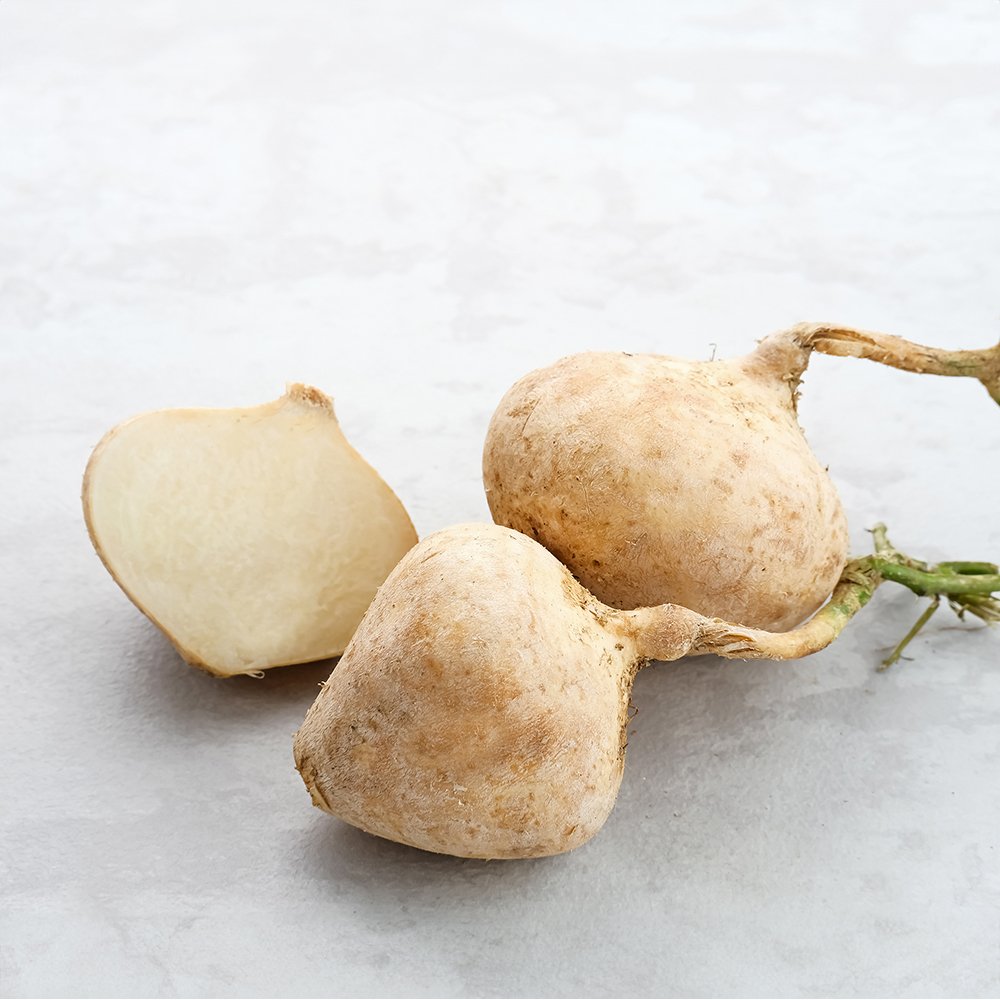
- Produces crisp, rounded underground roots commonly known as jicama
- Vigorous climbing vine with lush green foliage and attractive white to purple flowers
- Warm-season vegetable suited to long, frost-free growing conditions
- Underground roots are commonly harvested for fresh eating, salads, slaws, and cooking
- A distinctive tropical vegetable that adds variety to home and edible gardens
Growing Benefits
- Adds an unusual root vegetable to your home garden collection
- Provides an interesting climbing plant for warm-season garden spaces
- Offers a rewarding long-season growing project for gardeners
- Can be harvested for its crunchy, mild-flavored underground roots
- Suitable for garden beds, large containers, and warm-climate growing areas
Seed Specifications
- Common Name: Yam Bean, Jicama, Mexican Turnip
- Botanical Name: Pachyrhizus erosus; Plant Type: Warm-season perennial commonly grown as an annual
- Colors: Green foliage; white to purple flowers; brown-skinned, white-fleshed roots; Height: Vigorous vines can reach around twenty feet or more with support
- Sunlight: Full sun; Soil: Fertile, loose, well-drained soil; Water: Regular moisture without prolonged waterlogging
- Germination Time: Approximately seven to fourteen days; Sowing Depth: About one inch; Spacing: About twelve to eighteen inches apart; Growing Zones: Best in frost-free Zones ten to twelve, while suitable as an annual in other warm areas; Flowering/Maturity: Long-season crop, often requiring around four to five months for mature roots; Uses: Fresh eating, salads, slaws, stir-fries, vegetable dishes, and edible gardening
Growing Tips
- Soak seeds briefly before sowing to help soften the seed coat and support even emergence.
- Plant only after cold weather has passed and soil temperatures are consistently warm.
- Provide a sturdy trellis because the vigorous vines naturally climb and spread.
- Remove flowers where appropriate to encourage the plant to direct more energy toward root development.
Seed Storage
Store unused seeds in a cool, dry, dark location away from moisture and direct sunlight. Keep them in a sealed, moisture-resistant container. Avoid storing seeds in areas exposed to heat or humidity.
Important: Yam bean seeds should not be eaten. The seeds contain naturally occurring compounds that make them unsuitable for consumption. The cultivated edible portion is the mature underground root.
Unique Facts About Seeds
- Yam bean is also widely known as jicama or Mexican turnip.
- The plant is a vigorous legume vine that develops an edible underground storage root.
- Mature yam bean roots are known for their crisp texture and mild, slightly sweet flavor.
- The seeds are not edible, making proper identification and handling especially important when growing the plant.