


Key Features
-
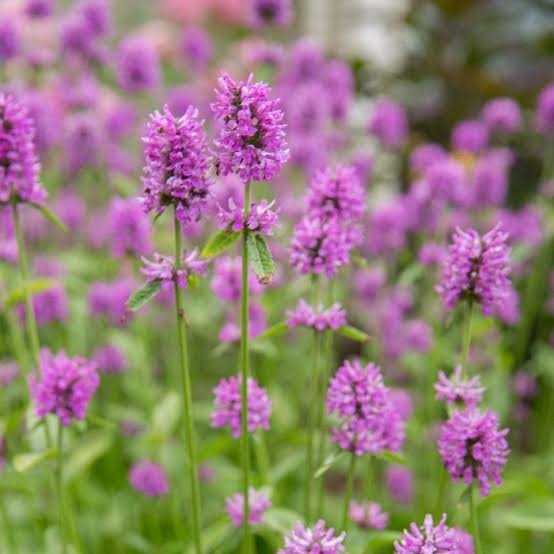
Violet-Purple Flowers: Produces upright spikes of small, tubular blossoms in attractive violet to purple-pink shades.
-
Textured Green Foliage: Features softly hairy, scalloped leaves that form attractive basal rosettes.
-
Compact Perennial Growth: Develops neat clumps that return during successive growing seasons.
-
Pollinator-Friendly Blooms: Flowers attract bees and other visiting pollinating insects.
-
Traditional Cottage Garden Appeal: Complements informal borders, meadow-inspired plantings, and naturalistic garden arrangements.
Growing Benefits
-
Seasonal Floral Color: Violet-purple flower spikes provide attractive summer garden interest.
-
Pollinator Garden Value: Nectar-bearing flowers support visiting bees and other pollinators.
-
Perennial Garden Structure: Established plants form persistent clumps and return after winter dormancy.
-
Decorative Foliage Texture: Scalloped green leaves provide visual interest before and after flowering.
-
Versatile Ornamental Placement: Suitable for cottage gardens, perennial borders, and managed naturalistic plantings.
Seed Specifications
-
Common Name: Wood Betony, Betony, Purple Betony
-
Botanical Name: Stachys officinalis
-
Botanical Synonym: Betonica officinalis
-
Plant Family: Lamiaceae
-
Type: Ornamental Flowering Perennial
-
Plant Classification: Herbaceous Perennial
-
Variety: Species Form; Cultivar Not Specified
-
Flower Color: Violet, Purple, Pinkish Purple
-
Flower Shape: Small Tubular Flowers in Dense Spikes
-
Foliage Color: Green
-
Leaf Shape: Oblong to Heart-Shaped, Scalloped Margins
-
Plant Height: Approximately 12–24 Inches When Flowering
-
Plant Spread: Approximately 12–18 Inches
-
Growth Habit: Upright Flower Stems With Basal Leaf Rosettes
-
Sunlight: Full Sun to Partial Shade
-
Soil: Well-Draining, Moderately Fertile Garden Soil
-
Soil pH: Slightly Acidic to Neutral
-
Water Requirements: Moderate; Avoid Prolonged Waterlogging
-
Germination Time: Approximately 14–30 Days Under Favorable Conditions; May Take Longer
-
Germination Temperature: Approximately 60–70°F
-
Seed Preparation: Cold Moist Stratification May Improve Germination
-
Sowing Depth: Surface Sow or Cover Approximately ⅛ Inch
-
Plant Spacing: Approximately 12–18 Inches
-
USDA Growing Zones: Approximately 4–8
-
Planting Season: Spring or Autumn
-
Flowering Season: Late Spring to Summer
-
Maturity: Flowering Commonly Begins During the First or Second Growing Season
-
Native Region: Europe, Western Asia, and North Africa
-
Uses: Cottage Gardens, Perennial Borders, Pollinator Gardens, Naturalistic Plantings
-
Seed Count Per Pack: Confirm Actual Quantity
-
Special Characteristics: Violet Flower Spikes, Scalloped Leaves, Clump-Forming Growth
Growing Tips
-
Choose a Bright Location: Full sun encourages flowering, while partial shade may be beneficial in warmer regions.
-
Maintain Good Drainage: Wood Betony prefers soil that does not remain saturated for extended periods.
-
Allow Room for Clumps: Space plants adequately to support airflow and natural foliage development.
-
Use Cold Stratification if Needed: A period of cool, moist conditions may improve germination in dormant seed lots.
-
Remove Spent Flowers: Deadheading can maintain a tidy appearance and limit unwanted self-seeding.
-
Avoid Excessive Fertilizer: Moderately fertile soil generally supports balanced foliage and flowering growth.
Seed Storage
-
Cool Storage: Keep seeds in a cool location protected from excessive heat.
-
Dry Conditions: Store thoroughly dried seeds in sealed, moisture-resistant containers.
-
Light Protection: Avoid prolonged exposure to direct sunlight.
-
Proper Labeling: Record the botanical name, seed lot, and collection date.
-
Seed Viability: Test older seed lots before larger planting projects.
Unique Facts About the Seeds
-
Mint Family Member: Wood Betony belongs to Lamiaceae, the same botanical family as lavender and sage.
-
Alternative Botanical Name: The species is also recognized as Betonica officinalis in botanical literature.
-
Distinctive Flower Spikes: Small tubular flowers form dense clusters along upright flowering stems.
-
Basal Leaf Rosettes: Much of the foliage develops near ground level, with flowering stems rising above the leaves.
-
Traditional European Garden Plant: Wood Betony has been cultivated in European gardens for generations.