


Key Features
-
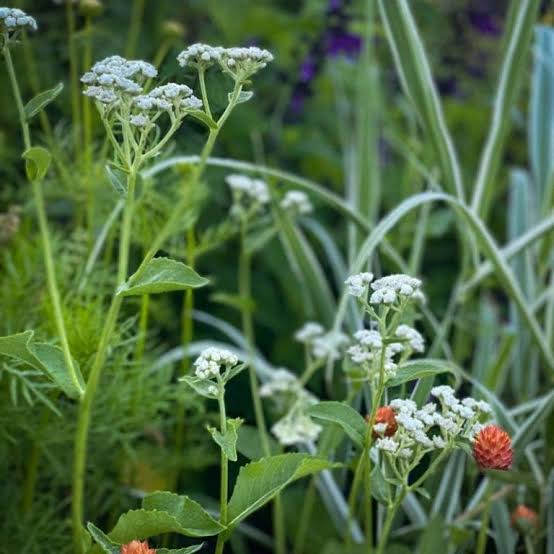
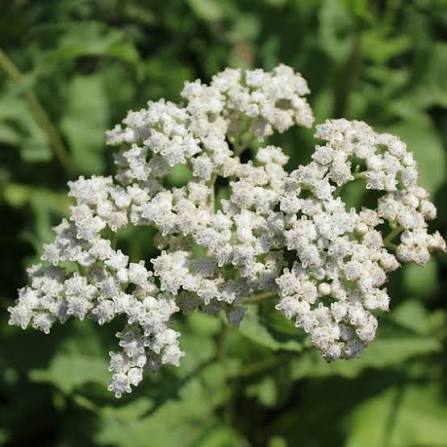
White Flower Clusters: Produces numerous small white flower heads arranged in attractive, flat-topped clusters.
-
Native Prairie Character: Adds authentic North American wildflower beauty to naturalistic landscapes.
-
Textured Green Foliage: Features broad, somewhat rough leaves that complement its delicate flowers.
-
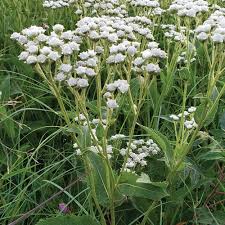
Sturdy Perennial Growth: Develops upright stems and returns during successive growing seasons.
-
Pollinator-Friendly Flowers: Attracts a variety of visiting insects, including native bees and beneficial flies.
Growing Benefits
-
Native Garden Appeal: Complements prairie restoration-style plantings and regional wildflower collections within its native range.
-
Summer Flowering Interest: White flower clusters provide attractive seasonal contrast.
-
Pollinator Garden Value: Flowers offer resources for various visiting insects.
-
Established Drought Tolerance: Mature plants can tolerate occasional dry conditions in suitable soils.
-
Long-Term Perennial Structure: Develops persistent clumps that contribute height and texture to native planting arrangements.
Seed Specifications
-
Common Name: Wild Quinine, American Feverfew
-
Botanical Name: Parthenium integrifolium
-
Plant Family: Asteraceae
-
Type: Native Ornamental Wildflower
-
Plant Classification: Herbaceous Perennial
-
Variety: Species Form; Cultivar Not Specified
-
Flower Color: White
-
Flower Shape: Small Composite Flower Heads in Flat-Topped Clusters
-
Foliage Color: Medium to Dark Green
-
Leaf Shape: Broad, Ovate to Lanceolate, With Rough Texture
-
Plant Height: Approximately 2–4 Feet
-
Plant Spread: Approximately 1–2 Feet
-
Growth Habit: Upright, Clump Forming
-
Sunlight: Full Sun to Light Partial Shade
-
Soil: Well-Draining Loam, Sandy Soil, or Adaptable Prairie Soil
-
Soil pH: Slightly Acidic to Neutral
-
Water Requirements: Moderate During Establishment; Lower Once Established
-
Germination Time: Variable; Often Several Weeks After Suitable Dormancy Treatment
-
Germination Temperature: Approximately 60–70°F After Stratification
-
Seed Preparation: Cold Moist Stratification Commonly Recommended
-
Sowing Depth: Surface Sow or Cover Lightly
-
Plant Spacing: Approximately 18–24 Inches
-
USDA Growing Zones: Approximately 4–8
-
Planting Season: Autumn or Spring After Seed Preparation
-
Flowering Season: Summer to Early Autumn
-
Maturity: Flowering May Begin During the Second or Subsequent Growing Season
-
Native Region: Eastern and Central North America
-
Uses: Native Wildflower Gardens, Prairie Plantings, Pollinator Borders, Naturalistic Landscapes
-
Seed Count Per Pack: Confirm Actual Quantity
-
Special Characteristics: White Flower Clusters, Sturdy Stems, Native Prairie Growth
Growing Tips
-
Choose a Sunny Location: Full sun encourages sturdy stems and abundant flowering.
-
Use Well-Draining Soil: Avoid consistently saturated planting locations.
-
Provide Cold Stratification: A period of cold, moist conditions may improve germination.
-
Allow Time for Establishment: Native perennials often develop substantial root systems before producing abundant flowers.
-
Avoid Excessive Fertilizer: Moderately fertile soil supports balanced growth without encouraging weak stems.
-
Maintain Natural Planting Diversity: Combine with regionally appropriate native grasses and wildflowers for a layered prairie-style display.
Seed Storage
-
Cool Storage: Keep seeds in a cool location away from excessive heat.
-
Dry Conditions: Store thoroughly dried seeds in sealed, moisture-resistant packaging.
-
Light Protection: Avoid prolonged exposure to direct sunlight.
-
Proper Labeling: Record the botanical name, seed lot, and collection date.
-
Seed Viability: Test older seed lots before larger planting projects.
Unique Facts About the Seeds
-
North American Native: Wild Quinine occurs naturally in prairie, savanna, and open woodland habitats across portions of eastern and central North America.
-
Member of the Daisy Family: It belongs to Asteraceae, alongside sunflowers and coneflowers.
-
Distinctive White Flower Heads: Its dense flower clusters have a different appearance from the large, ray-petaled flowers of many familiar daisies.
-
Strong Perennial Root System: Established plants develop substantial underground structures that support seasonal regrowth.
-
Prairie Garden Companion: Wild Quinine can be combined with compatible native flowering plants to create attractive naturalistic displays.