


Key Features
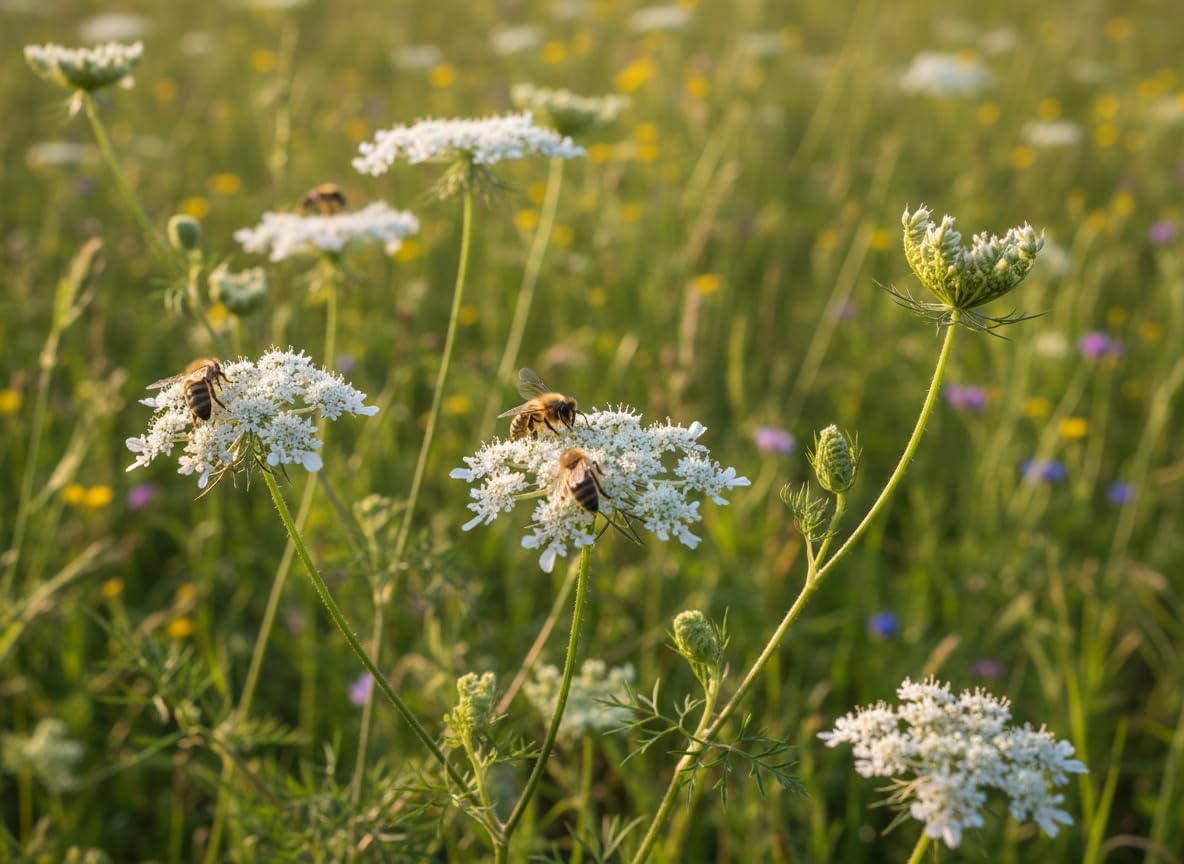
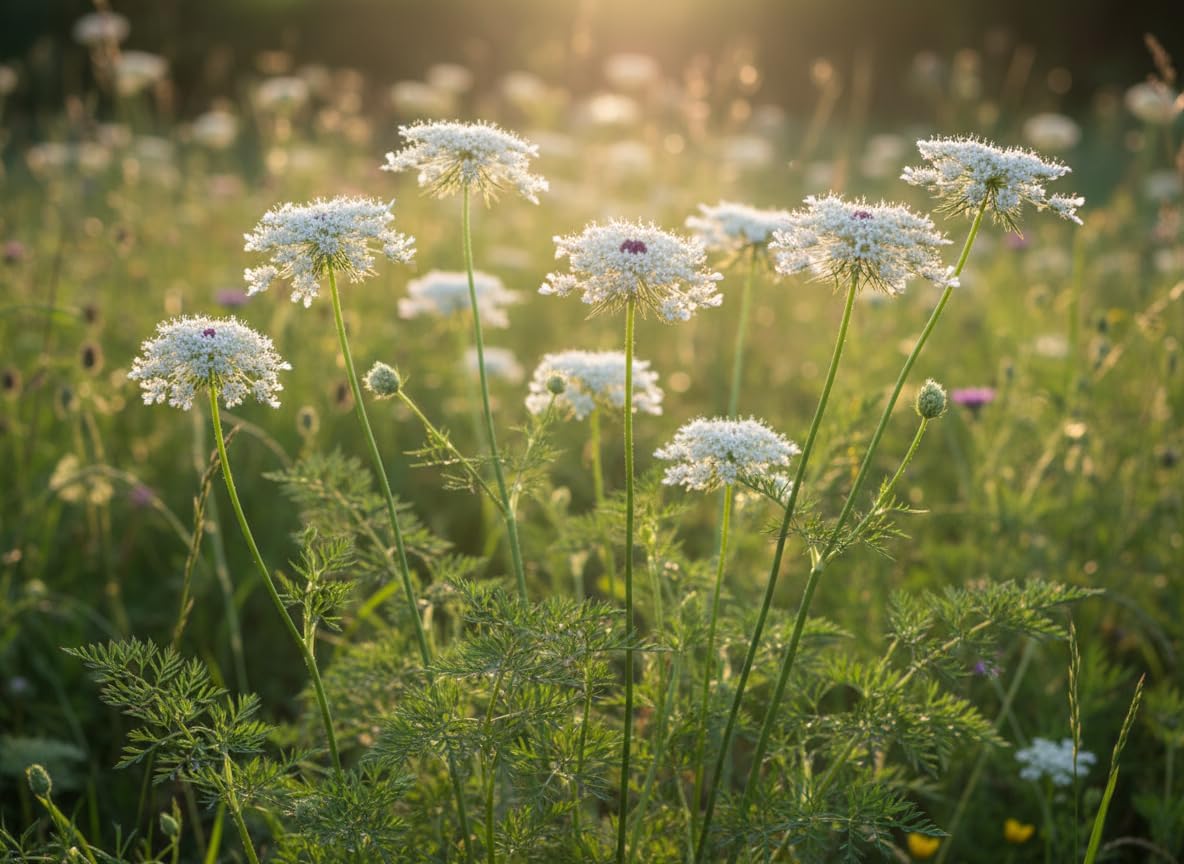
- Delicate white flower clusters with a natural, airy appearance
- Tall, graceful plants that add texture and structure to garden spaces
- Excellent for cottage gardens, borders, wildflower areas, and cut-flower displays
- Attractive flower heads provide a distinctive ornamental look
- A charming choice for gardeners seeking a classic wildflower-style planting
Growing Benefits
- Adds an elegant, natural look to flower beds and garden borders
- Works beautifully in informal and cottage-style landscapes
- Suitable for fresh and dried floral arrangements
- Provides attractive height and texture among shorter garden plants
- Can create a soft, meadow-inspired appearance when planted in groups
Seed Specifications
- Common Name: Wild Carrot, Queen Anne’s Lace, Zanahoria
- Botanical Name: Daucus carota
- Plant Type: Herbaceous flowering plant
- Colors: White flower clusters, with occasional darker central florets
- Height: Typically grows around two to four feet tall
- Sunlight: Full sun
- Soil: Well-drained, moderately fertile soil
- Water: Moderate; keep soil evenly moist during establishment
- Germination Time: Approximately one to three weeks
- Sowing Depth: Very shallow, about one-eighth inch or less
- Spacing: Thin or space plants approximately six to twelve inches apart
- Growing Zones: Generally suited to USDA Zones three through nine
- Flowering/Maturity: Usually flowers from late spring through summer, depending on climate
- Uses: Flower beds, borders, cottage gardens, wildflower areas, cut flowers, and dried arrangements
Growing Tips
- Sow seeds directly where they will grow because the developing taproot can make transplanting difficult.
- Press seeds lightly into the soil and avoid covering them deeply, as they need light to help germinate.
- Keep the seedbed consistently moist until seedlings become established.
- Thin crowded seedlings to provide adequate room for healthy root and plant development.
Seed Storage
Store unused seeds in a cool, dry, dark location away from moisture and direct sunlight. Keep them in a tightly sealed seed packet or airtight container. Label the container with the variety and storage date for easy reference.
Unique Facts About Seeds
- Wild carrot is also widely known as Queen Anne’s Lace because of its delicate, lace-like flower clusters.
- The plant belongs to the Apiaceae family, which also includes cultivated carrot, parsley, celery, and dill.
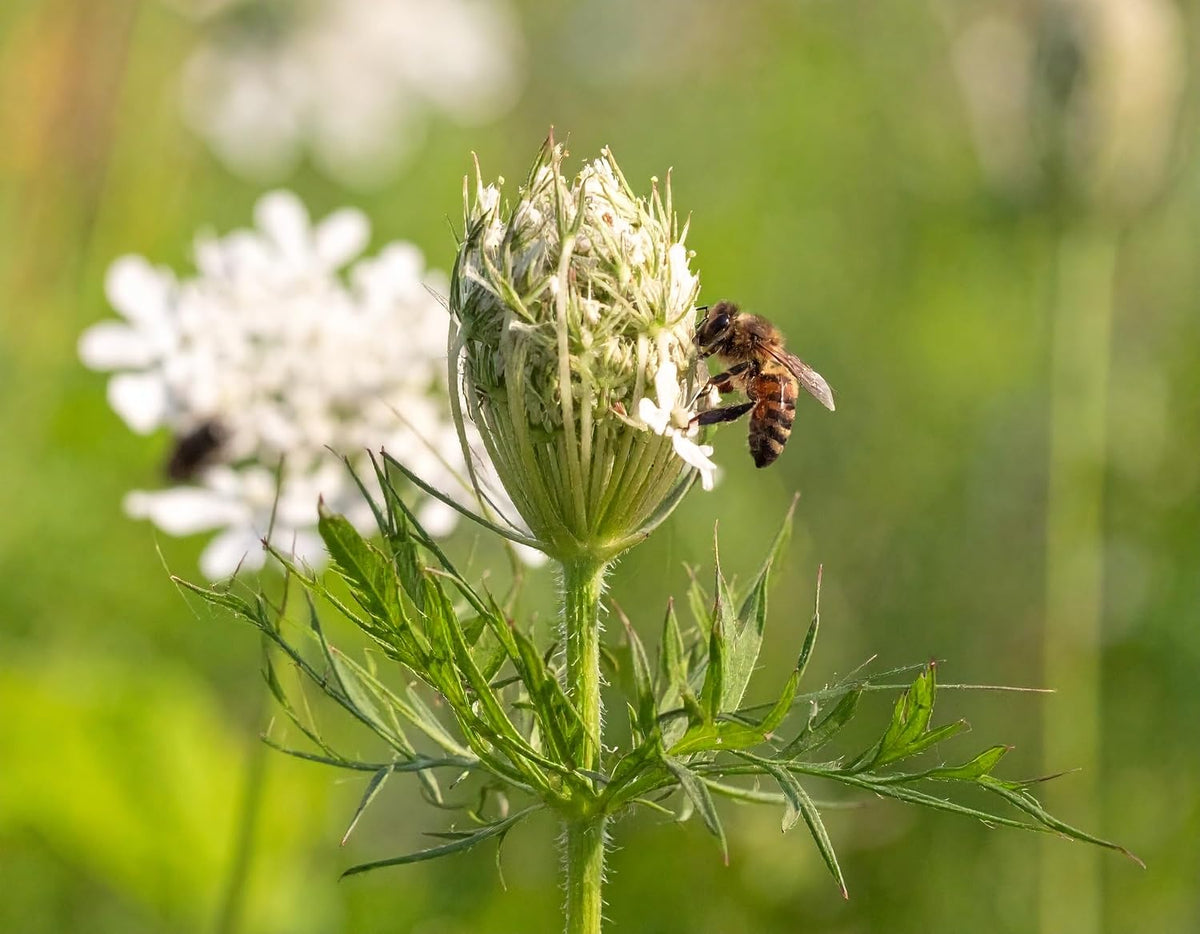
- Its distinctive flower head is made up of many tiny individual flowers arranged in a broad, umbrella-like cluster.
- Wild carrot develops a long taproot and is therefore best established by direct sowing rather than repeated transplanting.