


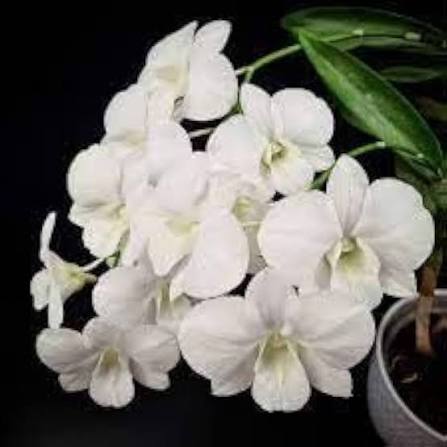
Grow White Purple Phalaenopsis Orchids from heirloom non-GMO seeds for elegant blooms featuring white petals with purple tones and markings. Ideal for indoor growing, orchid collections, conservatories, and warm, humid growing spaces.
Key Features
- Produces elegant orchid flowers with white and purple coloration.
- Heirloom, non-GMO flower seeds for ornamental growing.
- Excellent choice for indoor orchid collections and protected growing spaces.
- Attractive blooms create a sophisticated decorative display.
- Prefers warm, humid conditions with bright filtered light.
- Suitable for experienced gardeners interested in growing orchids from seed.
Growing Benefits
- Adds elegant floral color to indoor and protected garden spaces.
- Provides an interesting project for orchid enthusiasts.
- Suitable for containers and controlled growing environments.
- Creates attractive long-lasting floral displays once mature.
- Adds variety to indoor plant and orchid collections.
Seed Specifications
- Common Name: Moth Orchid, Phalaenopsis Orchid
- Botanical Name: Phalaenopsis spp.
- Plant Type: Tropical epiphytic perennial orchid
- Flower Colors: White with purple tones or markings
- Flower Shape: Rounded orchid blooms
- Foliage: Thick, broad, glossy green leaves
- Growth Habit: Compact, upright, and epiphytic
- Sunlight: Bright, indirect or filtered light
- Soil/Growing Medium: Orchid bark, sphagnum moss, or another airy orchid medium
- Water: Moderate; allow growing medium to partially dry between waterings
- Germination Time: Highly variable; orchid seeds require specialized conditions and may take weeks or longer
- Sowing Depth: Surface sow; orchid seeds are extremely fine and should not be buried
- Spacing: Individual seedlings require separation as they develop
- Growing Zones: Generally suited to USDA Zones 10–12; commonly grown indoors in cooler climates
- Flowering/Maturity: Seed-grown orchids may require several years to reach flowering maturity
- Uses: Indoor gardening, orchid collections, conservatories, greenhouse growing, tropical displays, and ornamental containers
Growing Tips
- Orchid seeds are extremely small and do not contain enough stored food to support normal germination on their own.
- Specialized sterile growing media or symbiotic culture methods are generally required for successful seed germination.
- Provide bright, indirect light rather than intense direct sunlight.
- Maintain warm temperatures and moderate to high humidity.
- Use an airy orchid-growing medium with excellent drainage.
- Be patient because seed-grown Phalaenopsis can take several years to mature and flower.
Seed Storage
Store unused seeds in a cool, dry, dark location and protect them from moisture and heat. Because orchid seeds are exceptionally fine and sensitive, follow the supplier's recommended storage conditions whenever provided.
Unique Facts
- Phalaenopsis orchids are commonly called Moth Orchids because of the shape of their flowers.
- Orchid seeds are among the smallest seeds produced by flowering plants.
- Phalaenopsis orchids are naturally epiphytic, growing on trees rather than in ordinary soil.
- Seed-grown orchids can take several years to reach flowering maturity.