


Key Features
-
Variety: White Jaboticaba, a tropical fruit tree grown for its distinctive fruits.
-
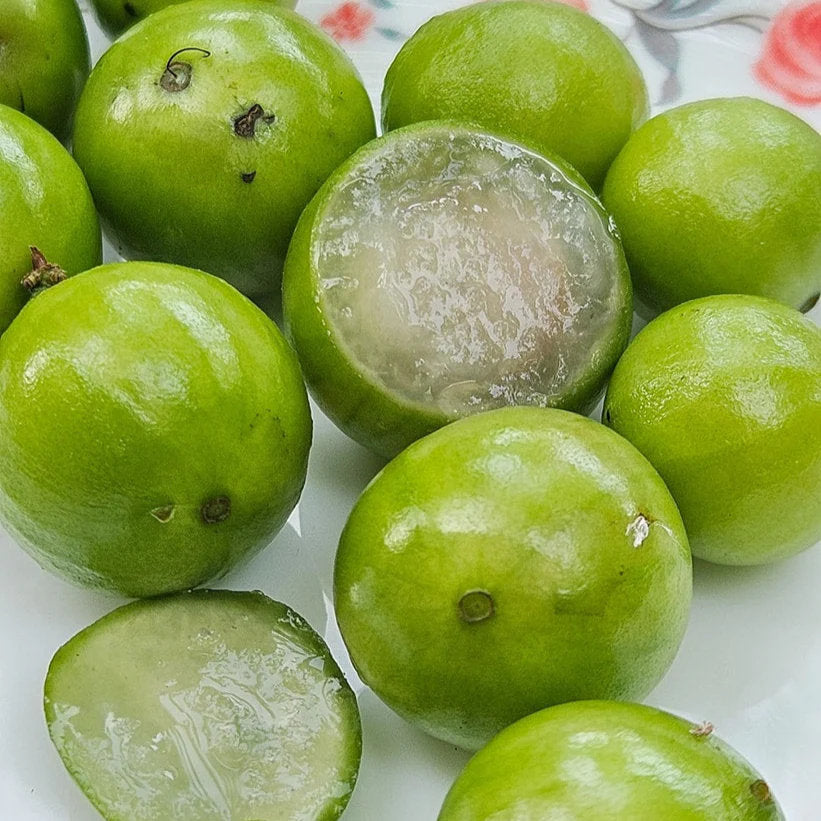
Fruit Appearance: Fruits are associated with pale or yellowish-white coloration, depending on the plant variety.
-
Plant Characteristics: Evergreen tropical tree with glossy green foliage and a naturally attractive growth habit.
-
Garden Uses: Suitable for tropical gardens, subtropical landscapes, and spacious outdoor planting areas.
-
Unique Feature: Jaboticaba trees are known for producing fruit directly on their trunks and mature branches.
Growing Benefits
-
Adds an unusual tropical fruit tree to a home garden.
-
Provides an opportunity to explore growing distinctive, lesser-known fruit varieties.
-
Creates attractive greenery in suitable warm-climate landscapes.
-
Can be maintained in a large container while young, with suitable care.
-
Offers an engaging long-term gardening project for fruit-tree enthusiasts.
Seed Specifications
-
Common Name: White Jaboticaba
-
Botanical Name: Plinia species; the exact species should be confirmed with the seed supplier.
-
Plant Type: Tropical evergreen fruit tree
-
Colors: Green foliage; fruit color varies by the particular white-fruited type.
-
Height: Variable by species, climate, and growing conditions; some jaboticaba trees grow into small to medium-sized trees.
-
Sunlight: Full sun to partial shade; strong light supports healthy growth and fruiting.
-
Soil: Rich, organic, acidic, well-draining soil that retains consistent moisture.
-
Water: Regular watering; keep the root zone evenly moist without waterlogging.
-
Germination Time: Commonly several weeks to about two months under suitable conditions.
-
Sowing Depth: Cover seeds lightly with a thin layer of moist growing medium.
-
Spacing: Allow ample space for a mature tree; spacing depends on the cultivar and planting location.
-
Growing Zones: Generally suited to warm tropical and subtropical climates; common jaboticaba species grow well in USDA Zones nine through eleven.
-
Flowering/Maturity: Seed-grown trees may take several years to bear fruit, sometimes around eight to ten years or longer.
-
Uses: Edible fruit, home orchards, tropical landscaping, and ornamental container growing.
Growing Tips
-
Plant fresh seeds promptly because jaboticaba seeds lose viability quickly during storage.
-
Use acidic, moisture-retentive soil with good drainage to support healthy roots.
-
Protect young seedlings from frost, drying winds, and harsh afternoon heat.
-
Be patient with seed-grown trees, as fruiting can take several years.
Seed Storage
Jaboticaba seeds are short-lived and should ideally be sown soon after harvest. Avoid allowing them to dry out completely. If immediate sowing is not possible, keep the seeds briefly in a suitable moist medium and follow the supplier's storage instructions. Long-term dry storage is generally unsuitable for these seeds.
Unique Facts About White Jaboticaba Seeds
-
Unusual fruiting habit: Jaboticaba flowers and fruits grow directly from the trunk and older branches, a feature known as cauliflory.
-
Distinctive fruit color: Some white-fruited forms produce pale green or yellowish-green fruit rather than the dark purple fruit associated with common jaboticaba varieties.
-
Slow-growing tree: Jaboticaba trees develop gradually, and seedlings may require considerable time before producing fruit.
-
Freshness matters: Their seeds are sensitive to drying and generally germinate best when planted soon after collectio