Skip to product information
1 of 4

EdenValleySeeds

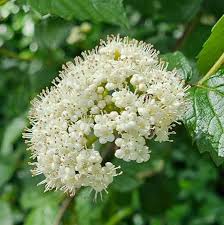
White Arrowwood Flower Seeds for Planting – Heirloom Non-GMO Easy Grow Seeds

White Arrowwood Flower Seeds for Planting – Heirloom Non-GMO Easy Grow Seeds

No reviews yet
Regular price $18.89 USD
Regular price Sale price $18.89 USD
Sale Sold out
Size
Quantity
DELIVERY ESTIMATE
Oct 21 – Oct 23 Estimated arrival
ORDER Oct 11 Order placed
ORDER READY Oct 13 – Oct 14 2–3 business days
DELIVERED Oct 21 – Oct 23 10–12 business days total
Carefully packed and tracked from dispatch to delivery.
Secure checkout Carefully packed seeds Tracked delivery Quality-focused selection
View full details

Grow White Arrowwood from heirloom non-GMO seeds for clusters of delicate white flowers and attractive green foliage. Ideal for cottage gardens, borders, wildlife-friendly landscapes, hedges, and naturalized garden spaces.

Key Features

  • Produces clusters of small white flowers in attractive rounded displays.
  • Develops lush green foliage on an upright woody shrub.
  • Heirloom, non-GMO seeds for home landscape growing.
  • Ideal for borders, hedges, cottage gardens, and naturalized landscapes.
  • Performs well in full sun to partial shade.
  • Provides seasonal flowers followed by ornamental fruit on suitable plants.

Growing Benefits

  • Adds soft white floral color to landscape plantings.
  • Creates useful structure for borders, hedges, and garden backdrops.
  • Provides seasonal interest through flowers, foliage, and fruit.
  • Suitable for wildlife-friendly and naturalized garden designs.
  • Can be grown as a long-term landscape shrub with proper care.

Seed Specifications

  • Common Name: Arrowwood Viburnum, Arrowwood
  • Botanical Name: Viburnum dentatum
  • Plant Type: Deciduous flowering shrub
  • Flower Color: White
  • Flower Shape: Small flowers arranged in rounded clusters
  • Foliage: Green, oval to broadly toothed leaves
  • Growth Habit: Upright, rounded, and branching
  • Sunlight: Full sun to partial shade
  • Soil: Moist, fertile, well-drained soil
  • Water: Moderate to regular, especially during establishment
  • Germination Time: Variable; seeds may require extended dormancy and stratification
  • Sowing Depth: Approximately ¼–½ inch
  • Spacing: Approximately 4–8 feet depending on intended landscape use
  • Growing Zones: Generally USDA Zones 2–8
  • Flowering: Late spring to early summer
  • Uses: Cottage gardens, borders, hedges, wildlife gardens, naturalized landscapes, shrub borders, and foundation plantings

Growing Tips

  • Provide a period of cold, moist stratification before sowing because viburnum seeds can have dormancy.
  • Choose a location with well-drained soil and adequate sunlight.
  • Keep young seedlings consistently moist while roots establish.
  • Give mature shrubs plenty of room to develop.
  • Use mulch around young plants to help conserve soil moisture.
  • Protect young seedlings from weeds and competition.

Seed Storage

Store unused seeds in a cool, dry, dark location. Keep them sealed in their original packet or an airtight container away from moisture, heat, and direct sunlight. Follow any supplier-specific storage or stratification instructions.

Important Growing Note

Arrowwood viburnum (Viburnum dentatum) is a woody shrub rather than a typical annual flower. Its seeds can exhibit substantial dormancy and may require extended stratification before germination. Seed-grown plants can also take several years to reach flowering size.

Unique Facts

  • Arrowwood viburnum belongs to the Adoxaceae family.
  • The common name “arrowwood” is associated with the traditional use of its straight young stems for arrow shafts.
  • Rounded clusters of white flowers appear in late spring or early summer.
  • Many arrowwood viburnum plants produce blue to blue-black fruits after flowering.
  • The shrub can provide habitat and food resources for various birds and other wildlife.

Growing Instructions

Planting Season: Fall sowing outdoors is often suitable because natural winter conditions can help break seed dormancy. Alternatively, provide appropriate warm and cold stratification before spring sowing.

Sowing: Prepare a loose, well-drained seedbed or use deep containers filled with quality seed-starting medium. Sow stratified seeds and cover lightly.

Depth: Plant seeds approximately ¼–½ inch deep.

Spacing: When establishing permanent landscape plants, allow approximately 4–8 feet between plants depending on the desired hedge or shrub arrangement.

Sunlight: Provide full sun to partial shade. More sunlight generally supports stronger flowering, while partial shade can be tolerated.

Soil: Use fertile, moist, well-drained soil. Arrowwood viburnum can tolerate a range of soil conditions when adequate moisture and drainage are available.

Watering: Keep soil consistently moist during germination and early establishment. Once established, water during prolonged dry periods.

Germination: Viburnum seeds can have complex dormancy and may require warm and cold stratification. Germination may take several months or longer depending on seed condition and treatment.

Stratification: Follow the seed supplier's recommended stratification method when available. Natural fall sowing can allow seasonal temperature changes to provide dormancy-breaking conditions.

Thinning: Thin seedlings when they are large enough to handle, leaving the strongest plants with adequate room for root development.

Transplanting: Move young plants carefully while dormant or when root disturbance can be minimized. Harden container-grown seedlings before permanent outdoor planting.

Fertilizing: Established arrowwood viburnum generally performs well in reasonably fertile soil. Apply a balanced fertilizer only when soil conditions indicate a need.

Care: Keep the planting area weed-free and apply a layer of mulch around, but not directly against, young stems.

Flowering/Maturity: White flower clusters generally appear in late spring to early summer after plants reach sufficient maturity. Seed-grown shrubs may require several years before flowering.

Pruning: Prune after flowering if needed to shape the shrub or remove damaged growth. Avoid unnecessary pruning before flowering.

Container Growing: Young plants can be started in deep containers, but arrowwood viburnum is ultimately better suited to in-ground landscape planting because of its mature size.

Winter Care: Established plants are generally cold hardy within their suitable growing range. Protect young seedlings from extreme exposure during their first winters.