


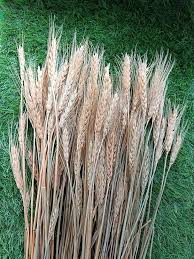
Grow wheat from heirloom non-GMO seeds for tall green grass-like plants that mature into golden grain heads. A rewarding crop for home gardens, small plots, educational planting, seed-saving projects, and rustic landscape displays.
Key Features
- Produces upright grass-like plants with distinctive grain heads.
- Develops golden seed heads as the crop reaches maturity.
- Ideal for home gardens, small plots, educational projects, and grain-growing spaces.
- Performs best in full sun with fertile, well-drained soil.
- Provides mature grain that can be saved for future planting or used according to the variety.
Growing Benefits
- Introduces a traditional grain crop to the home garden.
- Adds seasonal height and golden texture to garden spaces.
- Makes an engaging project for gardeners and families.
- Suitable for small plots, raised beds, and larger containers.
- Provides an opportunity to observe the complete grain-growing cycle.
Seed Specifications
- Common Name: Wheat
- Botanical Name: Triticum spp.
- Plant Type: Annual cereal grass
- Foliage Color: Green, turning golden as plants mature
- Seed Head Color: Green during development, becoming golden or tan at maturity
- Growth Habit: Upright, clumping grass
- Height: Approximately 2–5 feet depending on type and growing conditions
- Sunlight: Full sun
- Soil: Fertile, well-drained loam with good organic matter
- Water: Moderate; consistent moisture during establishment and grain development
- Germination Time: Approximately 5–14 days under favorable conditions
- Sowing Depth: Approximately 1–1½ inches
- Spacing: Broadcast or sow in rows with approximately 4–8 inches between plants
- Growing Zones: Varies by wheat type; commonly grown as a seasonal crop across many USDA Zones
- Flowering/Maturity: Grain heads develop after the vegetative stage and mature as plants turn golden
- Uses: Home grain gardens, educational gardens, seed-saving, ornamental displays, small plots, and grain production
Growing Tips
- Select a sunny location with fertile, well-drained soil.
- Sow at the appropriate seasonal window for the selected wheat type.
- Keep soil evenly moist during germination and early establishment.
- Harvest when grain heads have matured and plants have turned golden and dry.
Seed Storage
Store unused wheat seeds in a cool, dry, dark location. Keep them sealed in an airtight container or original packet away from moisture, insects, heat, and direct sunlight.
Important Growing Note
Wheat includes several types and cultivars with different planting seasons, heights, maturity periods, and grain characteristics. The exact growing schedule depends on whether the seed is winter wheat, spring wheat, or another type. Check the seed packet for variety-specific information.
Unique Facts About Seeds
- Wheat belongs to the grass family, Poaceae.
- The botanical genus Triticum includes several cultivated wheat species and types.
- Wheat grain develops inside spikelets arranged along the mature seed head.
- Wheat plants change from green to golden as the grain reaches maturity.