


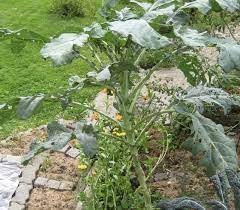
Key Features
- Produces tall, sturdy kale plants with an unusual tree-like growth habit.
- Distinctive garden variety that can create an impressive vertical display.
- Long stems and broad green leaves add structure and texture to edible landscapes.
- Suitable for garden beds and spacious vegetable gardens with adequate support.
- Performs best in fertile, well-drained soil with regular moisture.
Growing Benefits
- Adds height and architectural interest to the vegetable garden.
- Provides a distinctive leafy green for gardeners seeking unusual crops.
- Useful for edible landscapes, specialty gardens, and garden displays.
- Broad foliage provides an attractive green backdrop among lower-growing vegetables.
- A conversation-starting choice for gardeners interested in unusual kale and collard types.
Seed Specifications
- Common Name: Walking Stick Kale / Tree Collard Kale
- Botanical Name: Brassica spp.
- Plant Type: Perennial or biennial brassica, depending on type and climate
- Foliage: Broad, leafy green leaves
- Leaf Color: Green
- Growth Habit: Tall, upright, tree-like
- Sunlight: Full sun to partial shade
- Soil: Fertile, rich, well-drained soil
- Water: Regular and consistent
- Germination Time: Approximately 5–10 days under favorable conditions
- Sowing Depth: Approximately ¼ inch
- Spacing: Approximately 18–24 inches between plants, with additional room for mature height
- Growing Zones: Varies by selection and climate; protect from severe frost
- Maturity: Leaf harvesting may begin once plants are well established; timing varies with growing conditions
- Uses: Edible gardens, leafy greens, specialty gardens, raised beds, and ornamental edible landscapes
Growing Tips
- Start seeds indoors or sow directly outdoors during suitable cool weather.
- Cover seeds lightly and keep the soil evenly moist during germination.
- Select a location with plenty of space for tall, upright growth.
- Provide fertile soil enriched with organic matter.
- Harvest mature outer leaves while allowing the growing point to continue producing foliage.
- Support tall plants with stakes if strong winds or heavy growth make additional stability necessary.
Seed Storage
Store unused seeds in a cool, dry, dark location. Keep them sealed in their original packet or an airtight container away from moisture, heat, and direct sunlight.
Unique Facts About Seeds
- Walking Stick kale is associated with unusually tall, tree-like brassica growth.
- Some tree collard and walking-stick types can develop substantial stems over time.
- Kale and collards belong to the Brassicaceae family, which includes cabbage, broccoli, and Brussels sprouts.
- Tall brassica varieties can provide both edible foliage and striking vertical structure in the garden.