



Key Features
-
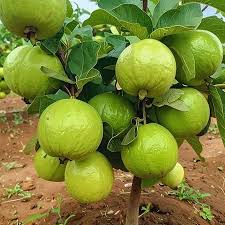
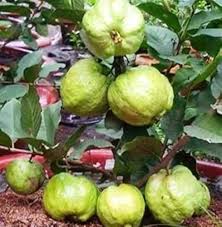
Tropical Fruit Variety: Waiakea Guava is a named guava selection associated with tropical fruit cultivation in Hawaii.
-
Fruit Characteristics: Guava fruits are valued for their fragrant aroma, juicy flesh, and distinctive sweet-tart flavor.
-
Plant Characteristics: Develops into an evergreen tropical fruit tree with green foliage, attractive white flowers, and aromatic fruits.
-
Garden Uses: Suitable for tropical and subtropical home gardens, orchards, and large containers with appropriate care.
-
Special Feature: Offers an opportunity to grow a tropical fruit tree from seed, although seedlings may differ from the original Waiakea parent variety.
Growing Benefits
-
Tropical Garden Appeal: Grow an attractive fruit tree that brings lush green foliage and tropical character to outdoor spaces.
-
Fresh Homegrown Fruits: Mature trees may produce aromatic guavas suitable for fresh eating and homemade recipes.
-
Versatile Culinary Uses: Guava fruits can be enjoyed fresh or used in juices, smoothies, jams, and desserts.
-
Ornamental Beauty: Evergreen foliage and delicate white flowers make guava trees attractive additions to warm-climate gardens.
-
Long-Term Gardening: With suitable growing conditions, guava trees can develop into productive perennial fruit plants.
Seed Specifications
-
Common Name: Waiakea Guava
-
Botanical Name: Psidium guajava, assuming the seed source is common guava
-
Plant Type: Tropical evergreen perennial fruit tree
-
Colors: Green foliage, white flowers; fruit color varies by seedling
-
Height: Approximately ten to twenty feet when mature, depending on climate and pruning
-
Sunlight: Full sun, at least six to eight hours daily
-
Soil: Fertile, well-drained sandy loam or loamy soil
-
Water: Regular watering during establishment; moderate watering once established
-
Germination Time: Approximately two to eight weeks, sometimes longer
-
Sowing Depth: Approximately one-quarter inch
-
Spacing: Ten to fifteen feet between trees, depending on pruning and growing conditions
-
Growing Zones: Generally USDA zones nine through eleven, with frost protection in cooler areas
-
Flowering/Maturity: Seed-grown trees may begin fruiting in approximately three to eight years under suitable conditions
-
Uses: Fresh fruits, juices, smoothies, jams, desserts, tropical landscaping, and home orchards
Growing Tips
-
Soak Before Sowing: Soak seeds in room-temperature water for approximately twenty-four hours before planting to help hydrate the seed coat.
-
Maintain Warm Conditions: Keep the growing medium consistently warm, ideally around seventy-five to eighty-five degrees Fahrenheit.
-
Provide Bright Sunlight: Place established seedlings in a sunny location and gradually acclimate them to stronger outdoor sunlight.
-
Protect From Frost: Grow young guava plants in protected locations or containers where freezing temperatures occur.
Seed Storage
Store Waiakea Guava seeds in a clean, labeled container in a cool, dry location away from direct sunlight and excessive humidity. For the best chance of germination, plant fresh seeds promptly rather than storing them for extended periods. Avoid exposing seeds to excessive heat or moisture during storage.
Unique Facts About Seeds
-
Hawaiian Connection: The name Waiakea is associated with an area of Hawaii known for its tropical growing environment.
-
Seedling Variation: Guava seedlings may differ from their parent tree in fruit size, flavor, flesh color, and productivity.
-
Fragrant Flowers: Guava trees produce white flowers with numerous prominent stamens that attract pollinating insects.
-
Tropical Fruit Tradition: Guava is widely cultivated in warm regions and valued for its aromatic fruits and culinary versatility.