


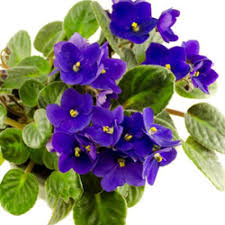
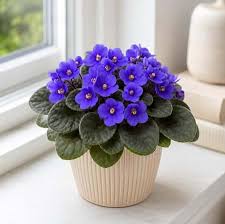
Grow Violet flowers from heirloom non-GMO seeds for delicate blooms and attractive green foliage. Ideal for cottage gardens, flower beds, borders, containers, woodland spaces, patios, and colorful seasonal garden displays.
Key Features
- Produces charming violet-toned flowers with delicate petals.
- Heirloom, non-GMO flower seeds for home gardeners.
- Compact growth is well suited to borders and containers.
- Ideal for cottage gardens, woodland-style beds, and patios.
- Performs best in fertile, well-drained soil with consistent moisture.
- Adds soft color and natural beauty to ornamental garden spaces.
Growing Benefits
- Adds attractive violet color to flower beds and borders.
- Compact plants fit well in containers and small gardens.
- Suitable for cottage, woodland, and informal garden designs.
- Provides seasonal floral interest during cool growing periods.
- Can complement spring bulbs and other colorful garden flowers.
Seed Specifications
- Common Name: Violet
- Botanical Name: Viola spp.
- Plant Type: Herbaceous perennial or annual depending on species
- Flower Color: Violet, purple, blue, white, or mixed depending on species and variety
- Flower Shape: Small, five-petaled blooms
- Foliage: Green, rounded to heart-shaped leaves depending on species
- Growth Habit: Low-growing, compact, and spreading
- Sunlight: Partial shade to full sun
- Soil: Moist, fertile, well-drained soil rich in organic matter
- Water: Moderate; maintain consistent moisture during active growth
- Germination Time: Approximately 14–28 days under favorable conditions
- Sowing Depth: Approximately ⅛–¼ inch
- Spacing: Approximately 6–10 inches
- Growing Zones: Generally USDA Zones 3–9, depending on species
- Flowering: Spring through fall depending on species and climate
- Uses: Cottage gardens, borders, containers, woodland gardens, flower beds, patios, and ornamental groundcover plantings
Growing Tips
- Use fresh seed and a fine, well-drained growing medium for best results.
- Some Viola species benefit from a cool period before germination.
- Keep soil evenly moist during germination and early growth.
- Provide partial shade in warmer climates to protect plants from intense afternoon heat.
- Remove faded flowers to encourage a tidy appearance and continued blooming.
- Avoid waterlogged soil, especially in containers.
Seed Storage
Store unused seeds in a cool, dry, dark location. Keep them sealed in their original packet or an airtight container away from moisture, heat, and direct sunlight.
Important Growing Note
“Violet” is a broad common name covering many Viola species and varieties. Flower color, plant size, hardiness, and flowering season can vary considerably. Verify the botanical name and specific variety on the seed packet before making precise claims about growth or flower characteristics.
Unique Facts
- Violets belong to the genus Viola and the family Violaceae.
- Many Viola flowers have distinctive markings or darker centers that guide pollinating insects.
- Some violet species are perennial and can return year after year in suitable climates.
- Violets are commonly used in cottage gardens, woodland plantings, borders, and containers.