


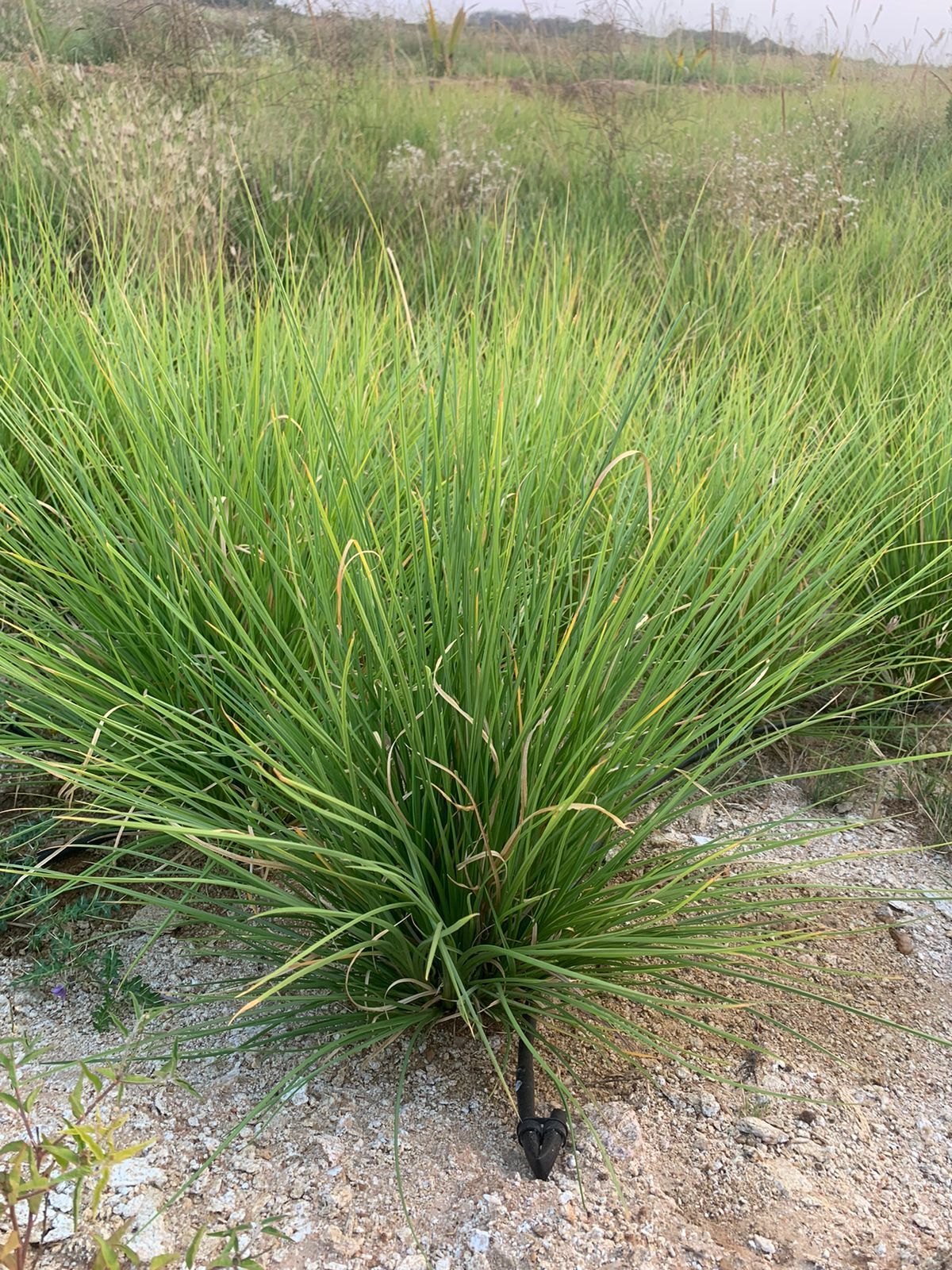
Key Features
- Variety: Vetiver grass, botanically known as Chrysopogon zizanioides, is a clumping perennial grass.
- Color: Produces narrow, upright green foliage with a dense, grass-like appearance.
- Plant Characteristics: Forms deep, fibrous root systems and grows into tall, upright clumps in warm conditions.
- Garden Uses: Suitable for landscaping, borders, erosion-control plantings, slopes, and water-conscious garden areas.
- Unique Feature: Vetiver is valued for its extensive root system and ability to establish in warm, sunny growing conditions.
Growing Benefits
- Adds a tall, architectural texture to landscapes and garden borders.
- Well suited to warm climates and sunny planting locations.
- Develops an extensive root system that can help stabilize soil.
- Provides useful greenery for slopes, banks, and larger landscape spaces.
- Once established, mature plants can tolerate periods of relatively dry conditions.
Seed Specifications
- Common Name: Vetiver Grass
- Botanical Name: Chrysopogon zizanioides
- Plant Type: Perennial grass
- Colors: Green foliage; flowering structures may appear on mature plants under suitable conditions
- Height: Commonly about five to seven feet when mature
- Sunlight: Full sun
- Soil: Well-drained soil; adaptable to a range of soil conditions
- Water: Moderate during establishment; reduce watering once plants are well established
- Germination Time: Variable and may be slow or uneven depending on seed quality and growing conditions
- Sowing Depth: Lightly cover seeds with about one-quarter inch of fine soil
- Spacing: Allow about one to two feet between plants for clump development
- Growing Zones: Generally suited to warm USDA Zones nine through twelve
- Flowering/Maturity: Mature plants may produce tall flowering panicles in suitable warm conditions; growth and maturity vary with climate
- Uses: Landscaping, borders, slopes, erosion-control plantings, soil stabilization, and aromatic plant applications
Growing Tips
- Start seeds in a warm, consistently moist seed-starting medium for better establishment.
- Cover the seeds lightly rather than burying them deeply, as excessive depth can interfere with emergence.
- Provide strong sunlight and good air circulation after seedlings become established.
- Transplant young plants carefully once they have developed a healthy root system and outdoor temperatures remain warm.
Seed Storage
Store unused seeds in a cool, dry, and dark location away from moisture, heat, and direct sunlight. Keep the seed packet tightly sealed in an airtight container. Avoid storing seeds in areas exposed to frequent temperature or humidity changes.
Unique Facts About Seeds
- Vetiver is a tropical perennial grass belonging to the grass family, Poaceae.
- The plant is particularly known for its extensive and deep root system.
- Vetiver roots are traditionally valued for their distinctive aromatic properties and are used in the production of vetiver essential oil.
- Many cultivated vetiver varieties are commonly propagated vegetatively rather than from seed, so seed germination can be variable.