


Key Features
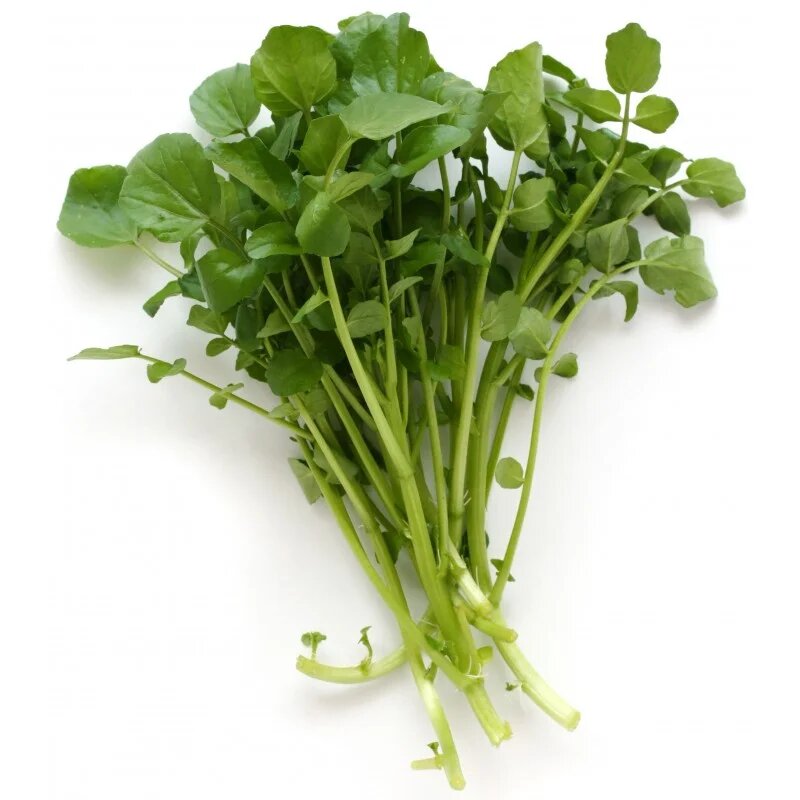
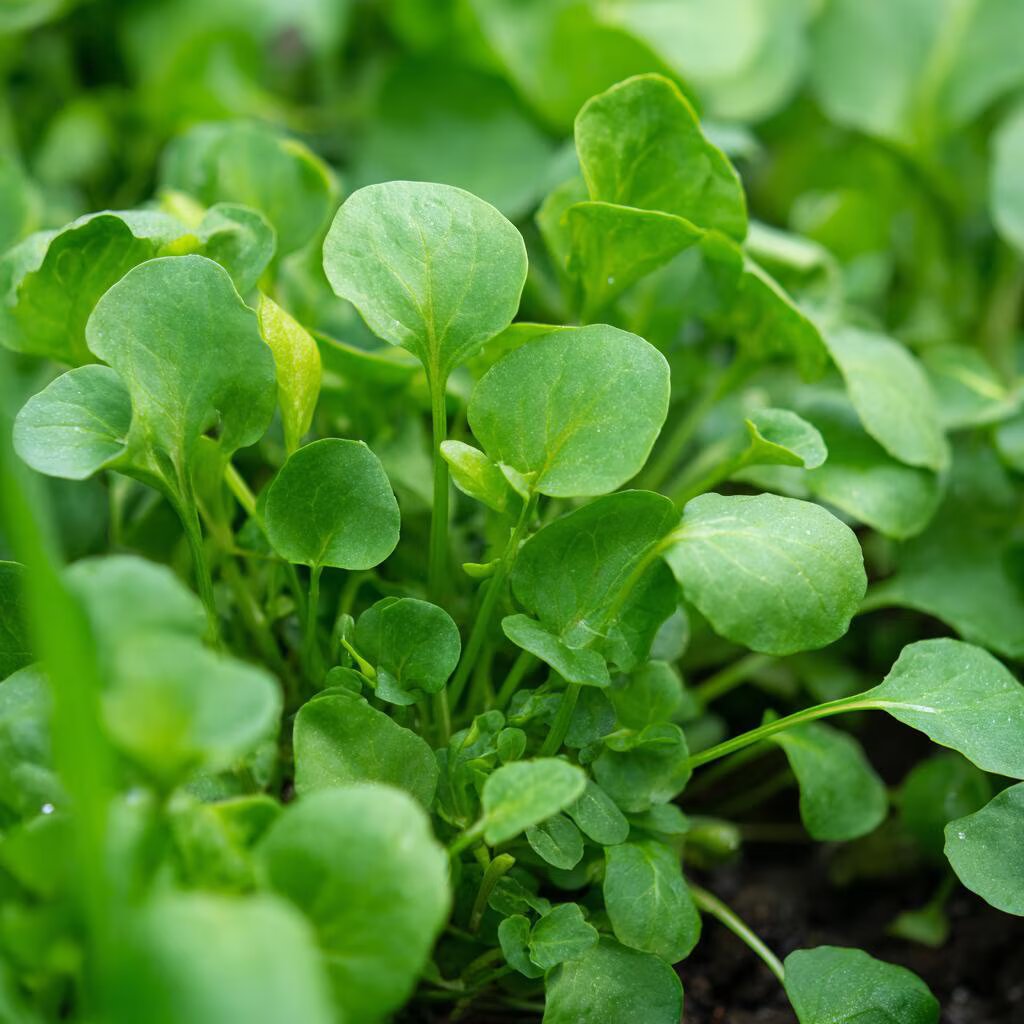
- Peppery Flavor: Upland cress produces flavorful, leafy greens with a distinctive peppery taste.
- Attractive Foliage: Forms fresh green leaves that add texture and color to vegetable and herb gardens.
- Cool-Season Vegetable: Performs well during cooler growing conditions and can be grown in containers or garden beds.
- Versatile Garden Crop: Ideal for salads, sandwiches, garnishes, soups, and fresh culinary preparations.
- Easy Garden Addition: A practical choice for gardeners looking to grow flavorful leafy greens at home.
Growing Benefits
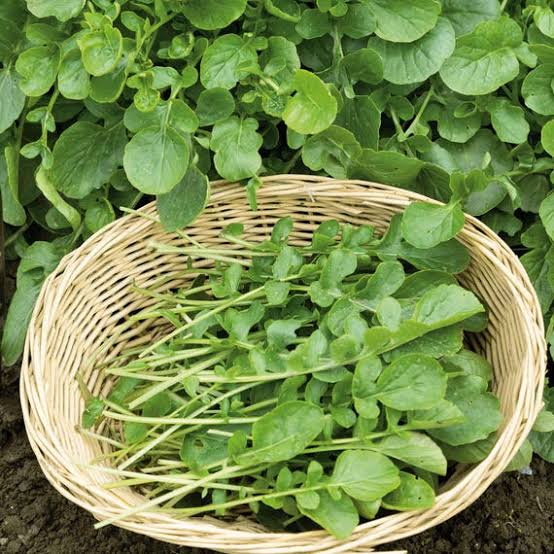
- Enjoy fresh, peppery greens harvested directly from your home garden.
- Well suited to containers, raised beds, and vegetable gardens.
- Provides a flavorful alternative to common salad greens.
- Cool-season growth makes it useful for extending the vegetable-growing calendar.
- Young leaves can be harvested for fresh culinary use.
Seed Specifications
- Common Name: Upland Cress, American Cress, Garden Cress
- Botanical Name: Barbarea verna
- Plant Type: Biennial leafy vegetable, commonly grown as an annual
- Colors: Green leaves with small yellow flowers
- Height: Approximately twelve to twenty-four inches
- Sunlight: Full sun to partial shade
- Soil: Fertile, moist, well-drained soil rich in organic matter
- Water: Consistent moisture without waterlogging
- Germination Time: Approximately seven to fourteen days
- Sowing Depth: About one-quarter inch deep
- Spacing: Thin plants to approximately six to eight inches apart
- Growing Zones: Generally suitable for USDA Zones four through nine
- Flowering/Maturity: Young leaves can be harvested within several weeks; flowering occurs as plants mature
- Uses: Salads, sandwiches, garnishes, soups, cooked greens, and fresh culinary dishes
Growing Tips
- Sow seeds directly where they will grow because young cress plants establish quickly.
- Keep the soil evenly moist during germination and early growth.
- Provide afternoon shade in warmer climates to help maintain tender foliage.
- Harvest young leaves regularly for a milder flavor and continuous leafy growth.
Seed Storage
Store Upland Cress Seeds in a cool, dry, dark place away from moisture and direct sunlight. Keep them in a sealed, moisture-resistant container. Make sure seeds remain completely dry during storage.
Unique Facts About Seeds
- Upland cress, botanically known as Barbarea verna, belongs to the mustard family, Brassicaceae.
- Its leaves have a characteristic peppery flavor similar to watercress.
- Unlike watercress, upland cress is well adapted to ordinary garden soil rather than requiring constantly flowing water.
- The plant produces small yellow flowers when it reaches maturity and enters its flowering stage.