


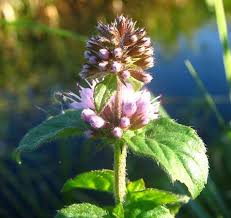


Grow United Mint from heirloom non-GMO seeds for fresh green foliage and a naturally refreshing garden presence. A versatile herb choice for containers, kitchen gardens, cottage borders, and fragrant outdoor planting spaces.
Key Features
- Produces fresh green foliage with a naturally aromatic character.
- Adds refreshing fragrance and soft texture to herb gardens.
- Ideal for containers, kitchen gardens, raised beds, and cottage borders.
- Performs best in fertile soil with consistent moisture.
- Makes an attractive and useful addition to home herb collections.
Growing Benefits
- Brings fresh aromatic foliage to home herb gardens.
- Adds lush green texture to containers and garden borders.
- Provides an engaging herb-growing project for beginners.
- Works well in dedicated herb beds and patio containers.
- Creates a refreshing garden atmosphere with fragrant foliage.
Seed Specifications
- Common Name: Mint
- Botanical Name: Mentha spp.
- Plant Type: Perennial herb
- Foliage Color: Green
- Flower Colors: Lavender, pink, purple, or white depending on species
- Foliage: Soft to textured aromatic green leaves
- Growth Habit: Upright, spreading, or trailing depending on variety
- Height: Approximately 12–36 inches depending on species
- Sunlight: Full sun to partial shade
- Soil: Fertile, moist, well-drained soil
- Water: Regular; keep soil consistently moist without prolonged waterlogging
- Germination Time: Approximately 10–20 days under favorable conditions
- Sowing Depth: Surface sow or cover very lightly
- Spacing: Approximately 12–18 inches depending on variety
- Growing Zones: Varies by species; many mint types are hardy across USDA Zones 3–9
- Flowering/Maturity: Flowering generally occurs during summer after plants become established
- Uses: Herb gardens, containers, kitchen gardens, raised beds, cottage gardens, fragrant borders, and ornamental plantings
Growing Tips
- Grow mint in containers when you want to limit spreading through the garden.
- Keep soil consistently moist, especially during warm and dry weather.
- Provide morning sun or partial shade in hotter climates.
- Harvest young leaves regularly once plants are well established.
Seed Storage
Store unused seeds in a cool, dry, dark location. Keep them sealed in their original packet or an airtight container away from moisture, heat, and direct sunlight.
Important Growing Note
“United Mint” is not a standardized botanical name. Mint commonly refers to several species within the Mentha genus, and plant height, fragrance, leaf shape, flower color, hardiness, and culinary characteristics can vary. Confirm the botanical name and variety on the seed packet before planting or consuming.
Unique Facts About Seeds
- Mint belongs to the Lamiaceae family, which also includes basil, oregano, rosemary, and sage.
- Many Mentha species spread readily through underground stems and can form dense colonies.
- Mint produces aromatic leaves containing naturally occurring essential oils.
- Small mint flowers can provide nectar for bees and other flower-visiting insects.