Skip to product information
1 of 3

EdenValleySeeds

Turnip Seeds for Planting – Heirloom Non-GMO Garden Seeds

Turnip Seeds for Planting – Heirloom Non-GMO Garden Seeds

No reviews yet
Regular price $16.99 USD
Regular price Sale price $16.99 USD
Sale Sold out
Size
Quantity
Free shipping on every order Order today and estimated delivery is Sep 12 – Sep 15
Ordered Aug 28
Order Ready Aug 30 – Sep 01
Delivered Sep 12 – Sep 15
✓ Secure checkout ✓ Carefully packed seeds ✓ Tracked delivery ✓ Quality-focused selection

Bundle & Save

Choose a bundle to unlock savings

Up to 20% off

Select a bundle to see your savings

View full details

Key Features

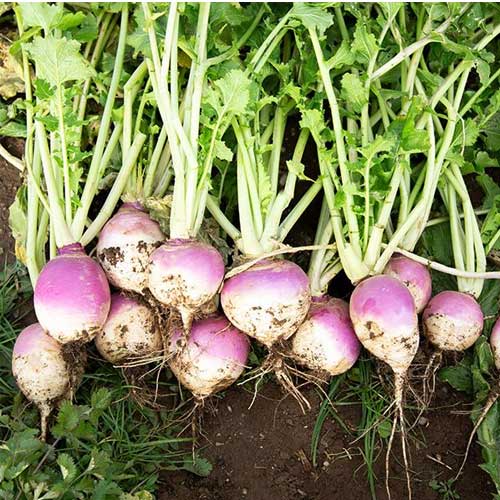
  • Classic root vegetable with crisp roots and edible leafy greens
  • Roots may develop in white, cream, purple, or two-toned colors
  • Compact, cool-season crop suitable for home gardens and containers
  • Fast-growing vegetable valued for roots, greens, and versatile kitchen uses
  • Easy-to-grow choice for vegetable beds, raised beds, and succession planting

Growing Benefits

  • Provides both edible roots and nutritious leafy greens from one crop
  • Performs well during cool growing conditions
  • Suitable for beginners and small-space vegetable gardens
  • Allows repeated sowing for a steady supply of fresh turnips
  • Useful for fresh cooking, roasting, soups, stews, and salads

Seed Specifications

  • Common Name: Turnip
  • Botanical Name: Brassica rapa subsp. rapa
  • Plant Type: Cool-season annual vegetable
  • Colors: White, cream, purple, and combinations depending on variety
  • Height: About one to two feet, including leafy growth
  • Sunlight: Full sun to partial shade
  • Soil: Loose, fertile, well-draining soil rich in organic matter
  • Water: Keep soil consistently moist without waterlogging
  • Germination Time: Approximately three to ten days
  • Sowing Depth: About one-quarter to one-half inch deep
  • Spacing: Thin plants to about two to four inches apart
  • Growing Zones: Generally suitable across USDA Zones two through eleven, depending on season and local conditions
  • Flowering/Maturity: Commonly harvested about five to ten weeks after sowing, depending on variety and growing conditions
  • Uses: Fresh eating, cooking, roasting, soups, stews, salads, and edible greens

Growing Tips

  • Sow seeds directly into loose soil because turnips dislike root disturbance.
  • Thin seedlings early to give developing roots enough room to expand.
  • Keep the soil evenly moist for tender roots and vigorous leafy growth.
  • Harvest roots while young and tender for the best texture and flavor.

Seed Storage

Store unused seeds in a cool, dry, dark location. Keep them in a tightly sealed, moisture-resistant container away from heat and humidity. Label the container with the seed variety and storage date.

Unique Facts About Seeds

  • Turnips belong to the mustard family, Brassicaceae.
  • Both the swollen root and leafy tops can be eaten.
  • Turnips are closely related to other Brassica vegetables such as cabbage and radish.
  • Cool conditions generally encourage good root development and quality.

Growing Instructions

Planting Season: Sow turnip seeds during cool weather. In many regions, plant in early spring for a spring crop or late summer to early fall for a fall crop. Avoid periods of intense summer heat.

Sowing: Direct sow the seeds into prepared garden soil, raised beds, or suitable containers. Scatter seeds lightly in rows and cover gently with fine soil.

Depth & Spacing: Sow approximately one-quarter to one-half inch deep. Once seedlings emerge, thin them to about two to four inches apart to allow the roots to develop properly.

Sunlight: Choose a location receiving full sun. Turnips can tolerate some partial shade, particularly where temperatures become warmer.

Soil: Use loose, fertile, well-draining soil. Remove stones and compacted material that could interfere with root formation.

Watering: Keep the soil consistently moist, especially during germination and root development. Avoid excessive watering that leaves the soil saturated.

Germination: Seeds generally germinate within several days under favorable cool, moist conditions. Keep the seedbed evenly moist until seedlings become established.

Transplanting: Direct sowing is preferred because transplanting can disturb the developing root. If transplanting is necessary, handle young seedlings carefully.

Fertilizing: Work well-aged compost into the soil before planting. Avoid excessive nitrogen, which can encourage leafy growth at the expense of desirable root development.

Care: Remove weeds regularly and thin crowded seedlings. Mulching lightly around established plants can help conserve soil moisture and reduce weed competition.

Flowering/Maturity: Turnips are normally grown for their roots and greens rather than flowers. Harvest roots when they reach a desirable size, commonly within several weeks of sowing depending on the variety and growing conditions. Young greens can also be harvested as needed.