


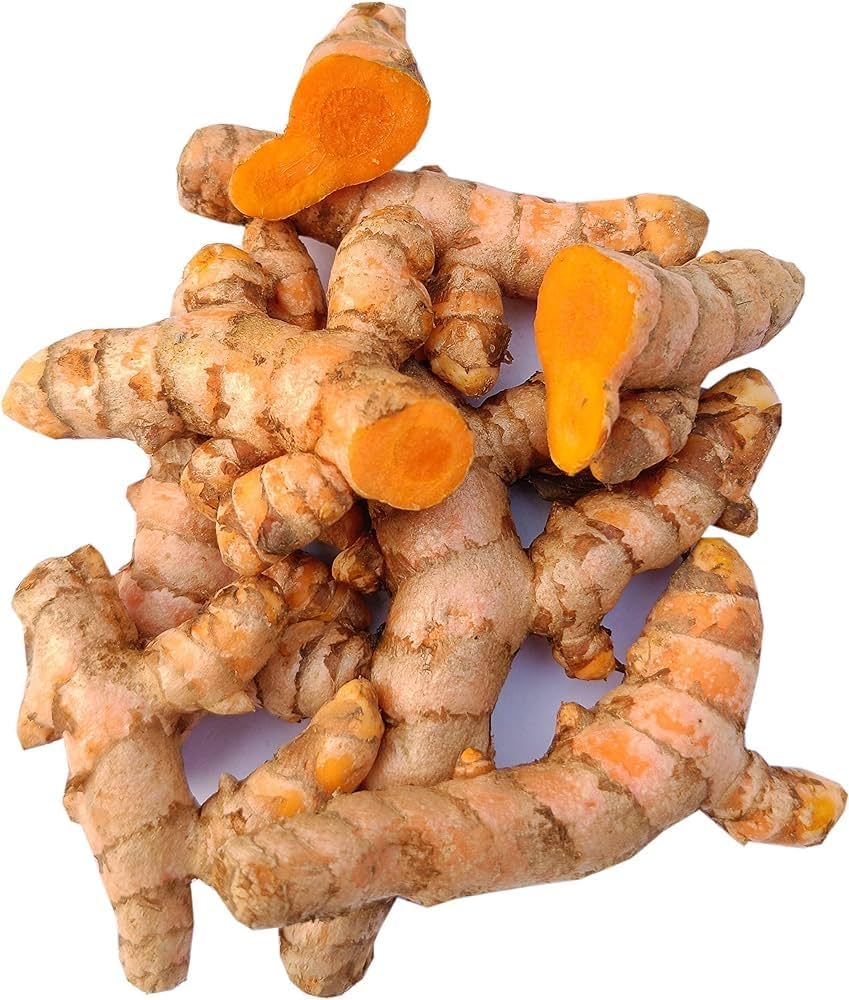
Key Features
- Tropical perennial herb known for its underground rhizomes and lush foliage.
- Produces broad green leaves with an attractive, tropical garden appearance.
- Grown primarily for its aromatic turmeric rhizomes used as a culinary spice.
- Suitable for warm-climate gardens, herb gardens, and containers with adequate warmth.
- A distinctive plant that adds both ornamental interest and culinary value.
Growing Benefits
- Grow a distinctive tropical herb at home from seed.
- Enjoy attractive foliage that brings a lush garden feel.
- Harvest mature rhizomes for fresh culinary use.
- Suitable for gardeners interested in growing traditional spice plants.
- Can be grown in suitable containers where climate conditions allow.
Seed Specifications
- Common Name: Turmeric
- Botanical Name: Curcuma longa
- Plant Type: Tropical perennial herb
- Colors: Green foliage; yellow-orange rhizomes
- Height: Approximately two to three feet
- Sunlight: Full sun to partial shade
- Soil: Rich, fertile, well-draining soil
- Water: Regular moisture without waterlogging
- Germination Time: Variable; seeds can be slow and irregular to germinate
- Sowing Depth: About one-half inch deep
- Spacing: Approximately twelve to eighteen inches apart
- Growing Zones: USDA Zones eight to eleven; grow as a seasonal plant in cooler areas
- Flowering/Maturity: Rhizomes generally mature after a long warm growing season; flowering is occasional
- Uses: Culinary spice, herb gardens, tropical landscaping, and containers
Growing Tips
- Keep the growing medium consistently warm and lightly moist during germination.
- Use loose, fertile soil that drains freely to protect developing roots and rhizomes.
- Provide warmth and bright light, especially during the active growing period.
- Reduce watering as foliage naturally begins to yellow and die back near dormancy.
Seed Storage
Store turmeric seeds in a cool, dry, dark place inside a tightly sealed container. Protect them from humidity, heat, and direct sunlight. Label the container with the seed name and storage date.
Unique Facts About Seeds
- Turmeric belongs to the ginger family, Zingiberaceae.
- The familiar yellow spice comes from the plant's underground rhizomes rather than its seeds.
- Curcuma longa is native to South and Southeast Asia and thrives in warm conditions.
- Turmeric plants can develop dormant rhizomes that survive from one growing season to the next in suitable climates.