


Key Features
-
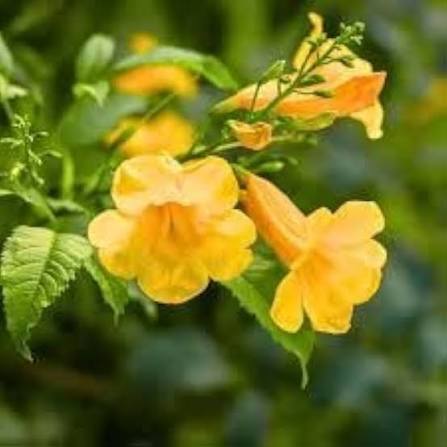
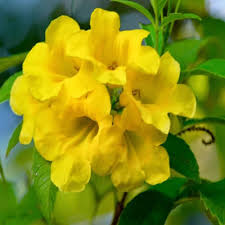
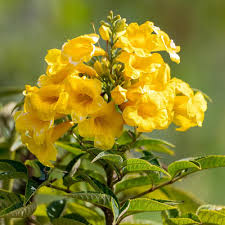
Golden Yellow Flowers: Produces clusters of bright, trumpet-shaped yellow blossoms.
-
Attractive Green Foliage: Features compound leaves with pointed, toothed leaflets.
-
Branching Growth Habit: Develops upright woody stems and a spreading crown.
-
Warm-Climate Flowering: Produces flowers during favorable warm growing conditions.
-
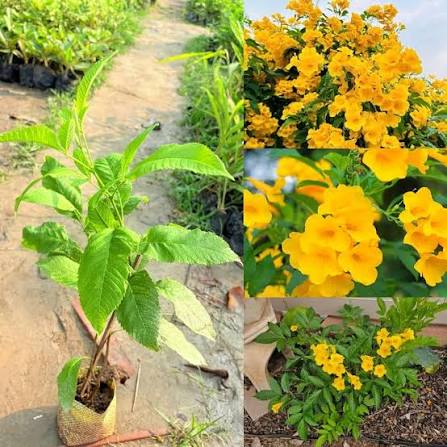
Ornamental Landscape Character: Suitable for spacious, managed gardens and large containers.
Growing Benefits
-
Bright Seasonal Color: Golden-yellow flowers create a distinctive ornamental display.
-
Landscape Height: Branching stems add vertical structure to sunny garden borders.
-
Foliage Contrast: Green compound leaves complement the colorful flower clusters.
-
Container Cultivation: Young plants can be grown in large containers with adequate drainage.
-
Flexible Plant Form: Pruning can help maintain a shrub-like appearance in managed landscapes.
Seed Specifications
-
Common Name: Tronadora, Yellow Bells, Yellow Trumpetbush
-
Botanical Name: Tecoma stans
-
Plant Family: Bignoniaceae
-
Type: Ornamental Flowering Shrub
-
Plant Classification: Woody Perennial Shrub or Small Tree
-
Variety: Species Form; Cultivar Not Confirmed
-
Flower Color: Golden Yellow to Bright Yellow
-
Flower Shape: Tubular, Trumpet-Shaped
-
Flower Arrangement: Terminal Flower Clusters
-
Flower Size: Approximately 1.5–2.5 Inches Long
-
Foliage Color: Medium to Dark Green
-
Leaf Shape: Pinnately Compound With Toothed Leaflets
-
Leaf Arrangement: Opposite to Nearly Opposite
-
Plant Height: Approximately 3–25 Feet Depending on Climate and Plant Form
-
Plant Spread: Variable; Can Become Broadly Spreading
-
Growth Habit: Upright, Branching, Woody
-
Sunlight: Full Sun Preferred
-
Soil: Sandy, Loamy, or Other Well-Draining Garden Soil
-
Soil pH: Adaptable
-
Water Requirements: Moderate During Establishment; Lower Once Established
-
Germination Time: Variable Depending on Seed Lot and Growing Conditions
-
Germination Temperature: Warm Conditions Preferred; Exact Requirements Not Verified for This Seed Lot
-
Seed Preparation: Cold Stratification Generally Not Required
-
Sowing Depth: Lightly Cover With Fine Growing Medium
-
Plant Spacing: Allow Room for Mature Shrub Development
-
USDA Growing Zones: Approximately 10b–11 for Reliable Outdoor Overwintering
-
Planting Season: Spring to Early Summer After Frost Risk
-
Flowering Season: Spring Through Autumn; Longer in Frost-Free Climates
-
Maturity: Seed-Grown Plants May Begin Flowering Within Two Years Under Favorable Conditions
-
Native Region: Tropical and Subtropical Americas
-
Uses: Managed Ornamental Borders, Large Containers, Warm-Climate Landscape Plantings
-
Seed Count Per Pack: Confirm Actual Quantity
-
Special Characteristics: Golden Trumpet Flowers, Compound Leaves, Woody Stems, Elongated Seed Capsules
Botanical characteristics and growing ranges referenced from North Carolina State Extension and University of Florida IFAS.
Growing Tips
-
Choose Full Sun: Bright sunlight generally supports stronger flowering.
-
Provide Excellent Drainage: Avoid planting in soil that remains saturated for extended periods.
-
Allow Adequate Space: Mature plants can become large shrubs or small trees.
-
Prune After Flowering: Trim excessive growth to manage plant height and branching.
-
Protect Young Plants From Frost: Container cultivation may be preferable in colder regions.
-
Manage Seed Dispersal: Remove developing capsules before they open where unwanted seedlings are a concern.
Seed Storage
-
Cool Storage: Keep seeds in a cool location away from excessive heat.
-
Dry Conditions: Store fully dried seeds in sealed, moisture-resistant containers.
-
Light Protection: Protect stored seeds from direct sunlight.
-
Proper Labeling: Record the botanical name, seed lot, and collection date.
-
Seed Rotation: Check older seed lots before planning larger planting projects.
Unique Facts About the Seeds
-
Winged Seed Structure: Mature capsules contain flattened seeds with thin, papery wings.
-
Distinctive Flower Throat: Yellow trumpet flowers may display fine reddish markings inside.
-
Compound Foliage: Leaves commonly contain several pairs of pointed, toothed leaflets.
-
Shrub or Small Tree Form: Mature plants may develop different heights and branching structures depending on growing conditions.
-
Elongated Seed Capsules: Narrow pods mature from green to brown before releasing their seeds.