


Key Features
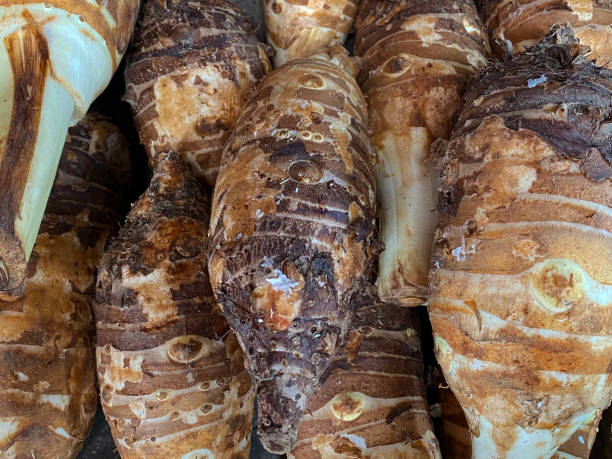
- Tropical root vegetable valued for its edible underground corms and broad, attractive foliage.
- Produces large, heart-shaped green leaves that bring a lush appearance to edible gardens.
- Thrives in warm, humid conditions with fertile, consistently moist soil.
- Suitable for vegetable gardens, raised beds, containers, and tropical-style edible landscapes.
- Taro corms are commonly cooked before eating and are used in many traditional cuisines.
Growing Benefits
- Provides a distinctive root crop for adventurous home gardeners.
- Adds attractive, tropical-looking foliage to edible garden spaces.
- Performs well in warm climates with adequate moisture.
- Can be grown in garden beds or suitably sized containers.
- Offers both ornamental foliage and a useful edible harvest.
Seed Specifications
- Common Name: Taro, Dasheen, Cocoyam
- Botanical Name: Colocasia esculenta
- Plant Type: Tropical perennial root vegetable
- Colors: Green leaves; cream to white corm flesh depending on variety
- Height: About three to six feet
- Sunlight: Full sun to partial shade
- Soil: Fertile, rich, moisture-retentive, well-drained soil
- Water: Consistent and generous moisture during active growth
- Germination Time: Usually about two to eight weeks from seed
- Sowing Depth: About one-quarter inch deep
- Spacing: About eighteen to twenty-four inches apart
- Growing Zones: Generally USDA Zones eight through eleven as a perennial
- Flowering/Maturity: Typically requires a long, warm growing season; corm maturity commonly takes several months
- Uses: Cooked corms, soups, stews, traditional dishes, edible landscaping, and foliage interest
Growing Tips
- Start seeds in warm conditions because taro prefers consistently high temperatures.
- Keep the growing medium evenly moist while avoiding stagnant, poorly drained soil.
- Choose a sheltered location with warmth, sunlight, and protection from cold weather.
- Allow plenty of growing time before harvesting mature corms.
Seed Storage
Store unused taro seeds in a cool, dry, dark location. Keep them sealed in an airtight container or moisture-resistant seed packet. Protect seeds from heat, humidity, and direct sunlight.
Unique Facts About Seeds
- Taro belongs to the arum family, Araceae, and is closely related to several ornamental foliage plants.
- Its large leaves are naturally adapted to warm, humid growing conditions.
- Taro corms contain calcium oxalate compounds and should be thoroughly cooked before consumption.
- Taro has been cultivated as an important food crop across tropical and subtropical regions for centuries.