


Key Features
-
Naturally Fragrant Foliage: Produces a distinctive sweet, vanilla-like scent, especially when dried.
-
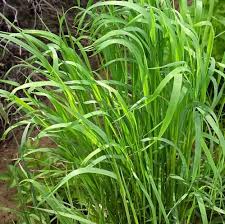
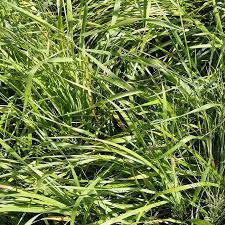
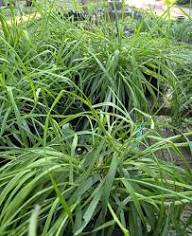
Graceful Green Leaves: Develops long, narrow blades with a soft, flowing appearance.
-
Perennial Growth Habit: Returns from established underground rhizomes in suitable climates.
-
Delicate Flowering Stems: Produces airy clusters of small grass flowers during spring and early summer.
-
Cool-Climate Adaptability: Naturally suited to northern meadow and grassland environments.
Growing Benefits
-
Fragrant Garden Interest: Adds a distinctive aromatic quality to ornamental grass plantings.
-
Natural Meadow Texture: Fine green foliage complements wildflower-inspired landscapes.
-
Moist Soil Adaptability: Suitable for garden areas with consistently moist, well-draining soil.
-
Perennial Ground Coverage: Spreading rhizomes gradually form expanding patches.
-
Native-Inspired Landscaping: Can complement appropriate northern North American meadow plantings.
Seed Specifications
-
Common Name: Sweetgrass, Vanilla Grass, Holy Grass
-
Botanical Name: Hierochloe odorata
-
Botanical Synonym: Anthoxanthum nitens
-
Plant Family: Poaceae
-
Plant Type: Fragrant Ornamental Grass
-
Plant Classification: Cool-Season Herbaceous Perennial
-
Flower Color: Greenish, Straw-Colored, Sometimes Purplish
-
Flower Shape: Small Grass Florets
-
Flower Arrangement: Open, Delicate Panicles
-
Foliage Color: Fresh to Medium Green
-
Leaf Shape: Long, Narrow, Flat Blades
-
Leaf Texture: Smooth, With Slightly Rough Margins
-
Leaf Fragrance: Sweet, Vanilla-Like Aroma, Especially When Dried
-
Plant Height: Approximately 12–30 Inches
-
Plant Spread: Expanding Patches Through Underground Rhizomes
-
Growth Habit: Upright Leaves With Creeping Rhizomes
-
Sunlight: Full Sun to Partial Shade
-
Soil: Moist Sandy Loam, Fertile Loam, or Moisture-Retentive Soil
-
Soil pH: Adaptable; Site Conditions Vary
-
Water Requirements: Moderate to High During Establishment
-
Germination Time: Variable; Often Slow and Irregular
-
Germination Temperature: Approximately 65–72°F After Stratification as a Propagation Guide
-
Seed Preparation: Cold Moist Stratification Recommended
-
Sowing Depth: Surface Sow or Cover Very Lightly
-
Plant Spacing: Approximately 12–24 Inches
-
USDA Growing Zones: Approximately 3–8 as a General Guide; Local Conditions Vary
-
Planting Season: Autumn or Early Spring
-
Flowering Season: Spring to Early Summer
-
Foliage Season: Spring Through Autumn
-
Native Region: Northern North America, Europe, and Asia
-
Natural Habitat: Moist Meadows, Streambanks, Wetland Margins, Cool Grasslands
-
Uses: Ornamental Grass Gardens, Fragrant Foliage Displays, Contained Meadow Plantings
-
Seed Count Per Pack: Confirm Actual Quantity
-
Special Characteristics: Sweet Fragrance, Creeping Rhizomes, Early Flowering, Cool-Season Growth
Growing Tips
-
Choose a Moist Location: Sweetgrass prefers soil that remains moderately moist throughout active growth.
-
Provide Adequate Sunlight: Select full sun or partial shade, particularly in cooler climates.
-
Use Cold Stratification: A period of cool, moist conditions may improve germination of dormant seeds.
-
Control Competing Weeds: Keep seedling beds free from aggressive grasses and weeds.
-
Allow Rhizome Development: Established plants spread through underground stems and gradually form patches.
-
Manage Spreading Growth: Use containers or designated beds where expansion can be monitored.
Seed Storage
-
Cool Storage: Keep seeds in a cool environment with stable temperatures.
-
Dry Conditions: Store properly dried seeds in sealed, moisture-resistant containers.
-
Light Protection: Keep seed packets away from prolonged direct sunlight.
-
Proper Labeling: Record the botanical name, seed lot, and collection date.
-
Viability Testing: Test each seed lot before sale because Sweetgrass naturally produces relatively few viable seeds.
Unique Facts About the Seeds
-
Distinctive Natural Fragrance: Sweetgrass contains naturally occurring coumarin, which contributes to its vanilla-like scent.
-
Early Seasonal Flowering: Flowering stems may appear early in spring before the longest foliage develops.
-
Creeping Underground Rhizomes: Established plants spread through horizontal underground stems.
-
Northern Hemisphere Distribution: Sweetgrass occurs naturally across northern regions of North America and Eurasia.
-
Naturally Low Seed Fertility: Many Sweetgrass florets do not develop viable seeds, making seed propagation less predictable than rhizome division.