


Key Features
-
Plant Variety: Swan’s Neck Agave, a distinctive ornamental succulent.
-
Color: Soft green to blue-green foliage with a smooth, attractive appearance.
-
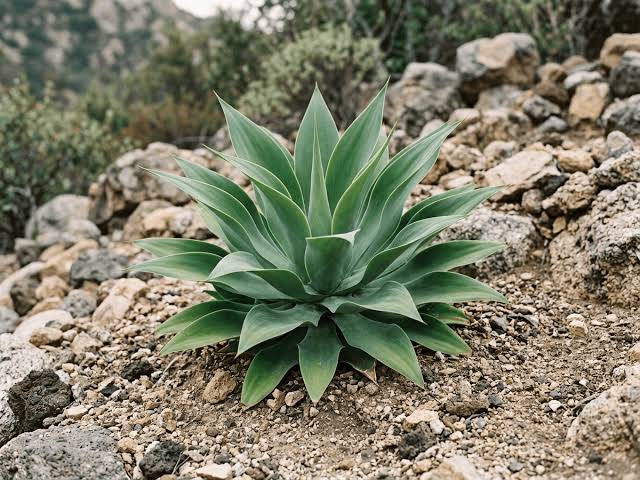
Plant Characteristics: Forms a graceful rosette of broad, fleshy leaves without the typical sharp terminal spine.
-
Garden Uses: Suitable for succulent gardens, rock gardens, landscaped borders, and containers.
-
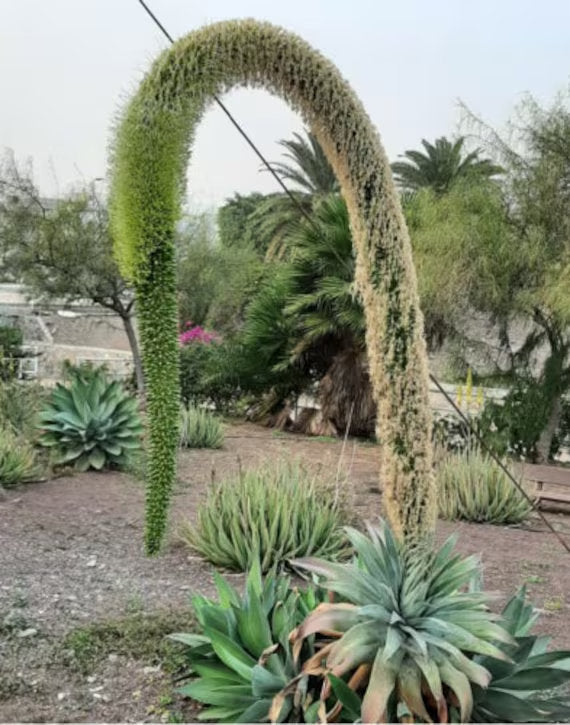
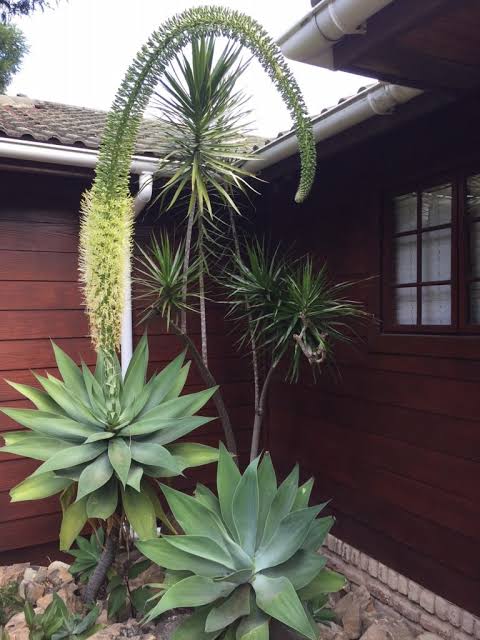
Unique Feature: Mature plants can develop a curved flower stalk resembling a swan’s neck.
Growing Benefits
-
Adds sculptural foliage and a modern touch to garden spaces.
-
Complements rock gardens and drought-conscious landscape designs.
-
Grows well in containers when drainage and space are suitable.
-
Provides attractive greenery in warm, frost-free outdoor gardens.
-
Offers an interesting growing project for succulent enthusiasts.
Seed Specifications
-
Common Name: Swan’s Neck Agave, Foxtail Agave
-
Botanical Name: Agave attenuata
-
Plant Type: Perennial succulent
-
Colors: Green to blue-green leaves; mature flower stalks may bear pale yellow-green flowers.
-
Height: Often reaches several feet tall, with mature size varying by climate and growing conditions.
Growing Tips
-
Choose a sunny location with protection from frost and severe cold.
-
Use a gritty, fast-draining succulent mix to prevent root rot.
-
Water lightly during germination and avoid keeping the soil waterlogged.
-
Gradually acclimatize young plants to stronger sunlight as they grow.
Seed Storage
Keep seeds in a sealed, labeled packet in a cool, dry, dark place. Protect them from humidity and excessive heat. Avoid storing seeds in damp conditions, as moisture can reduce their viability.
Unique Facts About Swan’s Neck Agave
-
Distinctive flower stalk: Mature plants develop an arching flower stalk that resembles a swan’s neck.
-
Smooth foliage: Unlike many agaves, this species has soft, relatively smooth leaf margins without prominent terminal spines.
-
Mexican origin: Agave attenuata is native to Mexico and is widely cultivated as an ornamental succulent.
-
New plant production: Flowering stalks can produce bulbils, while established plants may also form offsets near the base.