


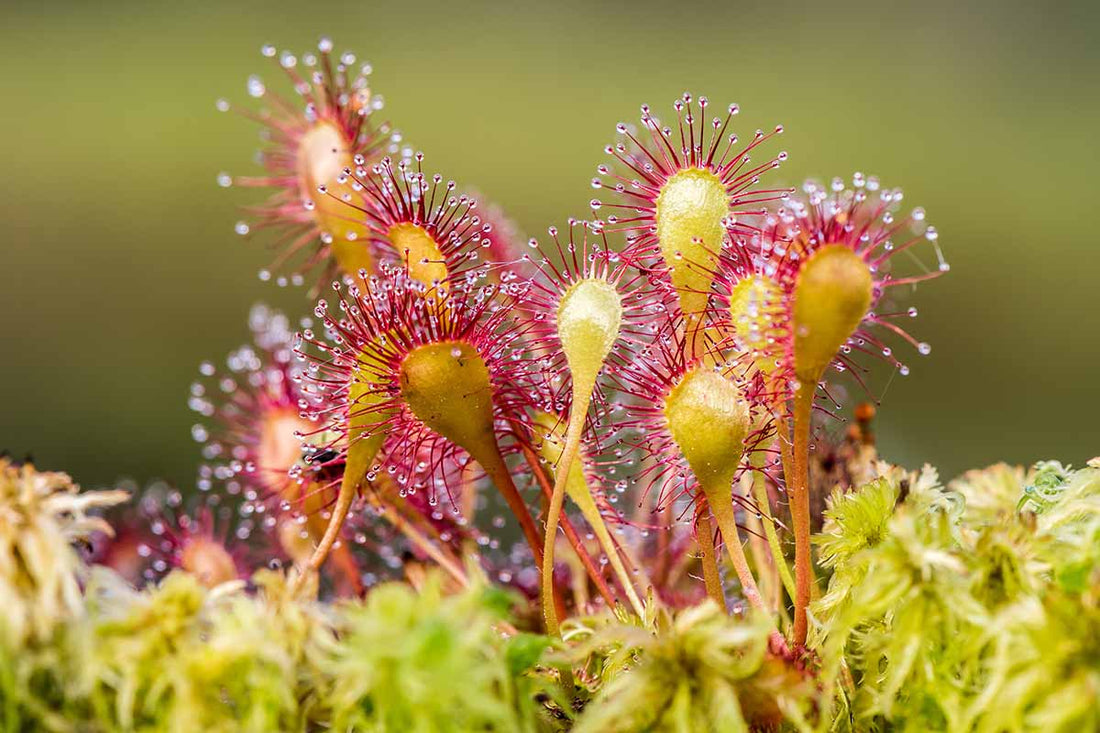
Grow Sundew Carnivorous Plants from heirloom non-GMO seeds for fascinating foliage covered with glistening sticky glands. A captivating choice for carnivorous plant collections, terrariums, containers, windowsills, and specialty gardens.
Key Features
-
Produces distinctive leaves covered with glistening sticky glands.
-
Naturally captures small insects as part of its growth strategy.
-
Heirloom, non-GMO seeds for specialty carnivorous plant growing.
-
Ideal for containers, terrariums, windowsills, and carnivorous plant collections.
-
Performs best in suitable bright light and nutrient-poor growing media.
-
Offers fascinating natural behavior for curious gardeners and plant collectors.
Growing Benefits
-
Adds fascinating insect-catching plants to specialty collections.
-
Creates an unusual focal point in small containers.
-
Provides an engaging growing project for curious gardeners.
-
Works well in suitable terrariums and controlled growing spaces.
-
Offers unique foliage unlike conventional garden plants.
Seed Specifications
-
Common Name: Sundew
-
Botanical Name: Drosera spp.
-
Plant Type: Carnivorous perennial, annual, or seasonal plant depending on species
-
Leaf Color: Green, reddish-green, or red depending on species and light
-
Flower Color: Usually white, pink, or red depending on species
-
Flower Shape: Small flowers generally borne on slender flower stalks
-
Foliage: Gland-covered leaves with sticky, glistening surfaces
-
Growth Habit: Rosette-forming, upright, or trailing depending on species
-
Sunlight: Bright light to full sun depending on species
-
Soil: Acidic, nutrient-poor, moisture-retentive carnivorous plant medium
-
Water: Consistently moist; use mineral-free water
-
Germination Time: Variable, often several weeks depending on species
-
Sowing Depth: Surface sow; do not bury deeply
-
Spacing: Allow adequate room for individual rosettes or growth forms
-
Growing Zones: Highly variable by species; many are grown indoors, in terrariums, or in protected outdoor locations
-
Flowering/Maturity: Flowering and dormancy vary considerably by species
-
Uses: Carnivorous plant collections, terrariums, containers, windowsills, bog gardens, and specialty plant displays
Growing Tips
-
Use only nutrient-poor carnivorous plant media rather than ordinary potting soil.
-
Keep the growing medium consistently moist with distilled, reverse-osmosis, or suitable rainwater.
-
Provide strong light appropriate for the specific Drosera species.
-
Never fertilize the growing medium because sundews are adapted to nutrient-poor conditions.
Seed Storage
Store unused seeds in a cool, dry, dark location according to the requirements of the specific Drosera species. Keep packets sealed and protected from moisture, heat, and direct sunlight. Some sundew seeds have relatively short storage lives, so fresh seed is generally preferable.
Important Growing Note
“Sundew” refers to the large and diverse genus Drosera. Growing requirements can differ substantially between tropical, subtropical, temperate, pygmy, and tuberous species. Confirm the exact species supplied before making specific claims about dormancy, temperature, flowering, or outdoor hardiness.
Unique Facts
-
Sundews belong to the family Droseraceae.
-
Their leaves contain specialized sticky glands that can trap small insects.
-
The glistening droplets on the leaves help give sundews their jewel-like appearance.
-
Sundews obtain nutrients from captured prey while growing naturally in nutrient-poor environments.
-
The Drosera genus contains many different growth forms adapted to diverse habitats.