


Key Features
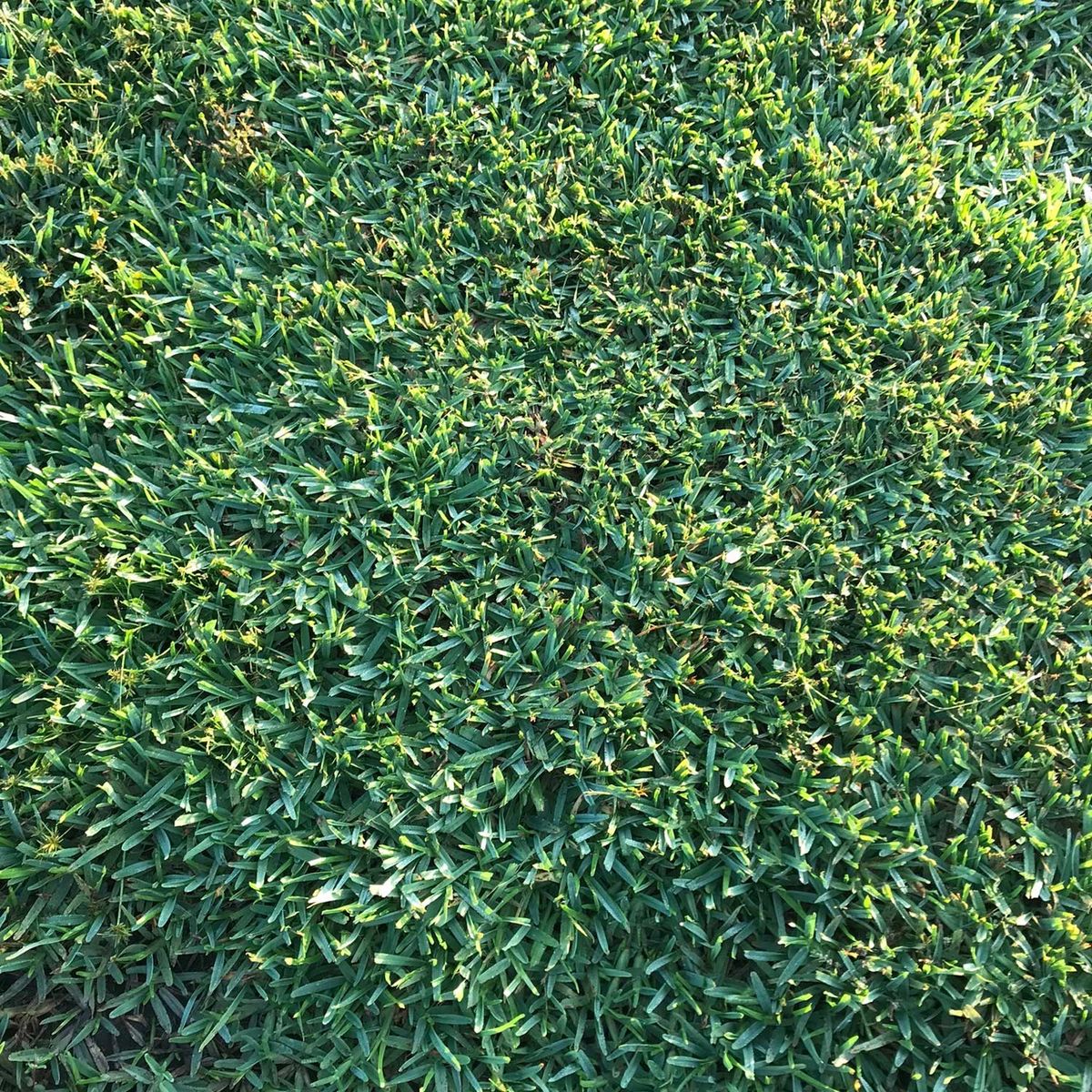
- Warm-Season Turf: St. Augustine Grass is a dense, spreading turf grass suited to warm climates.
- Rich Green Color: Produces an attractive green lawn when grown under suitable conditions.
- Lush Growth: Broad blades and vigorous stolon growth create a thick, carpet-like lawn.
- Lawn & Landscape Use: Ideal for residential lawns, garden areas, and warm-climate landscapes.
- Vegetative Propagation: St. Augustine Grass is generally established from sod, plugs, or stolons rather than conventional grass seed.
Growing Benefits
- Creates a dense and visually appealing lawn with proper care.
- Spreads naturally through above-ground stolons to fill suitable areas.
- Performs well in warm climates and during the growing season.
- Tolerates some shade better than many warm-season turf grasses.
- Provides a comfortable green surface for everyday landscape use.
Seed Specifications
- Common Name: St. Augustine Grass
- Botanical Name: Stenotaphrum secundatum
- Plant Type: Warm-season perennial turf grass
- Colors: Green to deep green foliage
- Height: Typically maintained as a low-growing lawn grass
- Sunlight: Full sun to partial shade
- Soil: Well-drained, fertile soil with adequate moisture
- Water: Regular watering, especially during establishment and dry weather
- Germination Time: Not applicable to conventional seed; St. Augustine Grass is normally propagated vegetatively
- Sowing Depth: Not applicable; plant plugs, sod, or stolons at the appropriate planting depth
- Spacing: Depends on the establishment method and desired lawn coverage
- Growing Zones: Generally suited to warm climates, commonly USDA Zones seven through ten
- Flowering/Maturity: Primarily grown for turf; maturity depends on establishment and growing conditions
- Uses: Lawns, home landscapes, garden borders, and warm-climate turf areas
Growing Tips
- Choose a planting area with good drainage and suitable sunlight before establishing the grass.
- Prepare the soil by removing weeds and debris and loosening the surface before planting plugs or sod.
- Keep newly planted areas consistently moist while the grass develops roots and begins spreading.
- Mow regularly at an appropriate height and avoid removing too much leaf growth at one time.
Seed Storage
St. Augustine Grass is generally not stored or sold as conventional lawn seed because it is normally propagated vegetatively. For sod, plugs, or stolons, keep planting material cool, moist, shaded, and protected from drying until planting. Establish it as soon as practical after purchase.
Unique Facts About Seeds
- St. Augustine Grass is unusual among common lawn grasses because it is generally established from sod, plugs, or stolons rather than seed.
- Its botanical name is Stenotaphrum secundatum.
- The grass spreads using above-ground stems called stolons.
- St. Augustine Grass can perform well in partial shade compared with several other warm-season turf grasses, although adequate sunlight still supports stronger growth.