


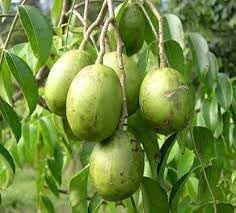
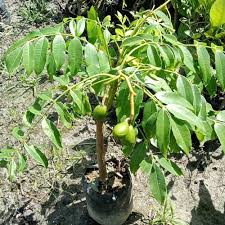
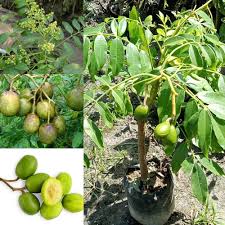
Grow Spondias from heirloom non-GMO seeds for a tropical fruit tree with lush green foliage and seasonal flowers. Ideal for warm-climate gardens, orchards, containers while young, and productive home landscapes.
Key Features
-
Produces lush green foliage on an attractive tropical tree.
-
Develops small flowers followed by fruit on suitable species.
-
Heirloom, non-GMO seed choice for home gardeners.
-
Ideal for tropical gardens, orchards, homesteads, and warm landscapes.
-
Can be grown in containers while young.
-
Adds long-term ornamental and fruit-growing interest to suitable gardens.
Growing Benefits
-
Adds tropical character and height to warm-climate landscapes.
-
Provides an interesting fruit-tree growing project from seed.
-
Works well in home orchards and larger garden spaces.
-
Young trees can be maintained in containers while developing.
-
Creates lasting greenery and seasonal interest in suitable climates.
Seed Specifications
-
Common Name: Spondias, Tropical Hog Plum
-
Botanical Name: Spondias spp.
-
Plant Type: Tropical or subtropical perennial fruit tree
-
Family: Anacardiaceae
-
Foliage: Green compound leaves
-
Flower Color: White, cream, yellowish, or greenish depending on species
-
Fruit Color: Green, yellow, orange, red, or other shades depending on species
-
Fruit Shape: Generally oval, round, or plum-like depending on species
-
Growth Habit: Upright, branching, and spreading
-
Sunlight: Full sun to partial shade
-
Soil: Fertile, loose, well-drained soil
-
Water: Moderate to regular during establishment
-
Germination Time: Approximately 2–8 weeks, depending on species and seed freshness
-
Sowing Depth: Approximately ½–1 inch, depending on seed size
-
Spacing: Approximately 15–30 feet or more for mature landscape trees
-
Growing Zones: Varies by species; generally suited to warm tropical and subtropical climates
-
Maturity: Seed-grown trees may require several years to reach fruiting size
-
Uses: Home orchards, tropical gardens, homesteads, edible landscapes, containers while young, and ornamental landscapes
Growing Tips
-
Confirm the exact Spondias species before planting because species vary in fruit, size, and climate requirements.
-
Use fresh, viable seeds and a loose, well-drained growing medium.
-
Provide warm conditions and consistent moisture during germination.
-
Give young trees increasing room as their root systems and canopy develop.
Seed Storage
Store unused seeds in a cool, dry, dark location. Keep them sealed in an airtight container away from moisture, heat, and direct sunlight. Because viability can vary among Spondias species, fresher seed is generally preferable for propagation.
Important Growing Note
Spondias is a genus rather than one specific tree species. Species such as Spondias purpurea and Spondias mombin differ in mature size, fruit characteristics, climate tolerance, and growing requirements. Confirm the exact botanical species supplied before making specific claims about fruit color, flavor, mature height, or USDA growing zones.
Seed-grown fruit trees can also vary from their parent plants, and fruiting may take several years.
Unique Facts
-
Spondias belongs to the Anacardiaceae family, which includes mango and cashew relatives.
-
Spondias species are found naturally or cultivated across tropical and subtropical regions.
-
Several species produce edible plum-like fruits.
-
Young trees generally benefit from protection while establishing in cooler climates.
-
Growing Spondias from seed offers a long-term opportunity to develop a distinctive tropical fruit tree.