Skip to product information
1 of 3

Eden Valley Seeds

Southwest Devil’s Claw Herb Seeds – Desert Native Flowering Plant

Southwest Devil’s Claw Herb Seeds – Desert Native Flowering Plant

Regular price $16.99 USD
Regular price Sale price $16.99 USD
Sale Sold out
size
Quantity

DELIVERY ESTIMATE

—

Estimated arrival

ORDER—Order placed
ORDER READY—Processing estimate
DELIVERED—Estimated delivery

♢

Secure checkout
Carefully packed seeds
Tracked delivery
Quality-focused selection
View full details

Key Features

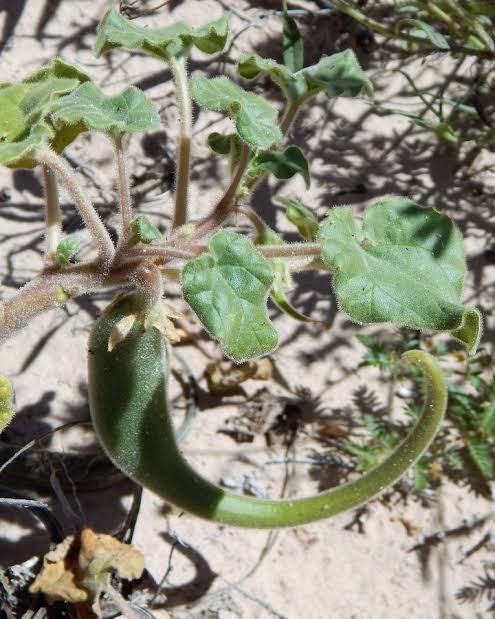
  • Distinctive Southwest desert plant with unusual claw-shaped seed pods.

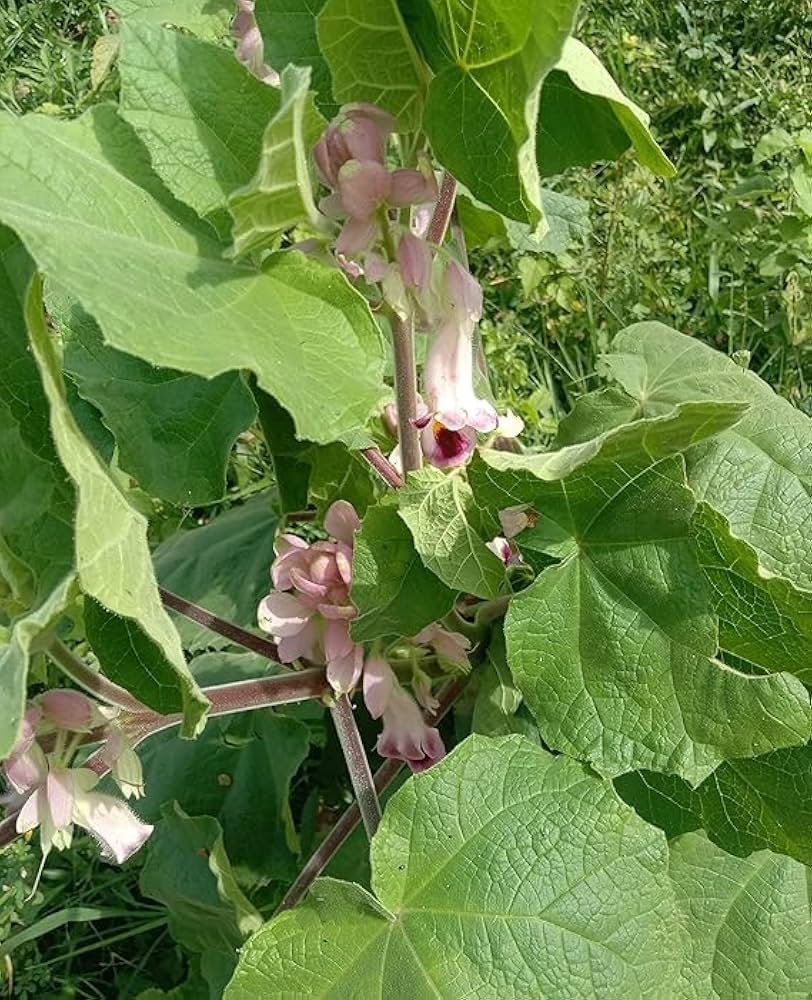
  • Produces attractive trumpet-shaped flowers in seasonal colors.

  • Features broad, textured green foliage and a spreading growth habit.

  • Suitable for desert gardens, native plant gardens, and ornamental landscapes.

  • Develops uniquely curved seed pods that make the plant easily recognizable.

Growing Benefits

  • Adds unusual botanical interest to desert-inspired garden landscapes.

  • Attracts attention with distinctive flowers and unusual seed pods.

  • Provides an interesting choice for native-style garden collections.

  • Offers gardeners an opportunity to grow a fascinating Southwest plant.

Seed Specifications

  • Common Name: Southwest Devil’s Claw

  • Botanical Name: Proboscidea species (exact species to be confirmed)

  • Plant Type: Annual flowering herb

  • Colors: Green foliage with species-dependent flower colors

  • Height: Varies by species and growing conditions

  • Sunlight: Full sun; tolerates partial shade.

  • Soil: Well-drained sandy or moderately fertile soil.

  • Water: Low to moderate water once established.

  • Germination Time: Approximately ten to twenty-one days under suitable conditions.

  • Sowing Depth: Approximately half to three-quarters of an inch.

  • Spacing: Allow three to four feet between plants.

  • Growing Zones: Generally suited to warm climates; regional suitability depends on species.

  • Flowering/Maturity: Flowers during the warm growing season; mature seed pods develop later.

  • Uses: Ornamental landscaping, native plant gardens, traditional basketry, and botanical collections.

Growing Tips

  • Choose a sunny location with plenty of room for spreading growth.

  • Lightly scarify the hard seed coat to encourage germination.

  • Use well-draining soil to prevent excess moisture around the roots.

  • Handle mature seed pods carefully because their dried claws can be sharp.

Seed Storage

  • Store seeds in a cool, dry, and dark location.

  • Use an airtight container or sealed paper seed packet.

  • Keep seeds away from humidity and direct sunlight.

  • Label the container with the plant name and collection date.

Unique Facts About Seeds

  • Devil’s Claw is named after its unusual hooked seed pods.

  • Its mature fruits develop two curved, claw-like structures.

  • The hooked pods help distribute seeds by attaching to passing animals.

  • Southwestern Indigenous communities traditionally used the mature black pods in decorative basket weaving.

Growing Instructions

Planting Season

Plant seeds in spring after the danger of frost has passed and the soil has warmed. In suitable Southwestern climates, planting may also coincide with summer monsoon rains.

Sowing

  • Select a sunny outdoor planting location.
  • Gently nick or peel a small portion of the hard seed coating.
  • Soak seeds in warm water before planting to help soften the seed coat.
  • Sow directly into the prepared garden bed whenever possible.

Sowing Depth and Spacing

  • Plant seeds approximately half to three-quarters of an inch deep.
  • Leave sufficient space between plants for their spreading growth habit.

Sunlight Requirements

Choose a location receiving full sunlight for healthy growth and flowering. Partial shade may be tolerated in particularly hot conditions.

Soil Requirements

Use loose, well-draining sandy or moderately fertile soil. Avoid locations where water collects after rainfall.

Watering

Keep the soil lightly moist during germination. Once established, water moderately and allow the soil to dry between watering sessions.

Germination

Seeds generally germinate within ten to twenty-one days under favorable conditions. Germination may take longer when temperatures or moisture levels are unsuitable.

Transplanting

Direct sowing is recommended to minimize root disturbance. If transplanting is necessary, move young seedlings carefully while preserving the root ball.

Fertilizing

Avoid excessive fertilization. A small amount of balanced organic compost can be incorporated into poor soil before planting.

Plant Care

Allow sufficient room for the spreading stems and foliage. Remove competing weeds while seedlings establish. Wear gloves when handling mature dried seed pods because their hooked tips can be sharp.

Flowering and Maturity

Plants produce attractive flowers during the warm season, followed by unusual elongated fruits. The seed pods eventually dry and develop their characteristic hooked claws.