Skip to product information
1 of 2

EdenValleySeeds

Snake Gourd Seeds for Planting – Heirloom Garden Vegetable Seeds

Snake Gourd Seeds for Planting – Heirloom Garden Vegetable Seeds

No reviews yet
Regular price $16.99 USD
Regular price Sale price $16.99 USD
Sale Sold out
Size
Quantity
Free shipping on every order Order today and estimated delivery is Sep 13 – Sep 16
Ordered Aug 29
Order Ready Aug 31 – Sep 02
Delivered Sep 13 – Sep 16
✓ Secure checkout ✓ Carefully packed seeds ✓ Tracked delivery ✓ Quality-focused selection

Bundle & Save

Choose a bundle to unlock savings

Up to 20% off

Select a bundle to see your savings

View full details

Key Features

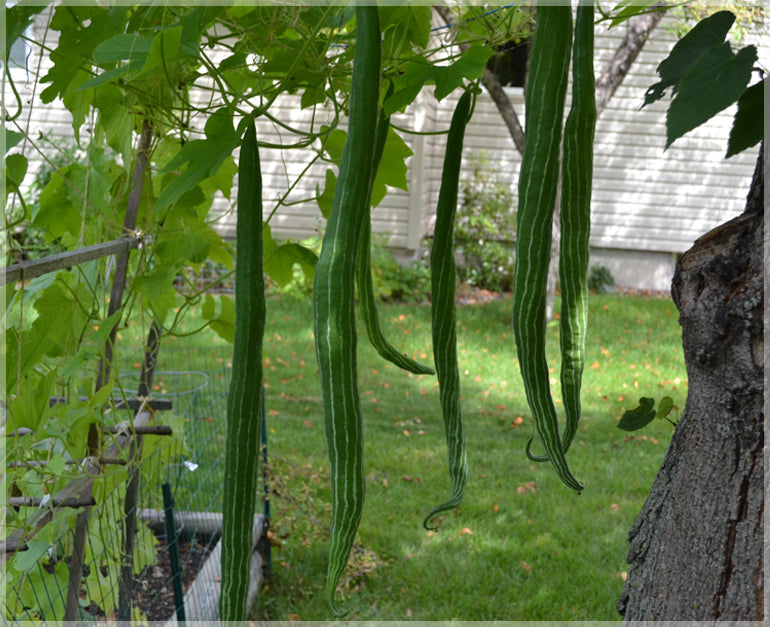
  • Long, vigorous climbing vine producing slender snake-shaped fruits
  • Fruits typically develop in shades of green with smooth or lightly ridged skin
  • Warm-season vegetable suited to trellises, fences, and vertical garden spaces
  • Attractive white flowers add ornamental interest to the garden
  • Ideal for home vegetable gardens, raised beds, and container growing with strong support

Growing Benefits

  • Makes excellent use of vertical garden space
  • Provides a rewarding warm-season vegetable crop
  • Trellising helps keep fruits cleaner and straighter
  • Attractive vines and flowers add visual interest to edible gardens
  • Suitable for gardeners who enjoy growing unusual vegetables

Seed Specifications

  • Common Name: Snake Gourd
  • Botanical Name: Trichosanthes cucumerina
  • Plant Type: Warm-season annual climbing vine
  • Colors: Green fruits; white flowers
  • Height: Can grow several feet when provided with suitable climbing support
  • Sunlight: Full sun
  • Soil: Fertile, well-draining soil rich in organic matter
  • Water: Regular and consistent moisture
  • Germination Time: Typically around one to two weeks under warm conditions
  • Sowing Depth: About half to one inch deep
  • Spacing: Provide adequate room between plants and strong vertical support
  • Growing Zones: Best suited to warm climates and frost-free growing conditions
  • Flowering/Maturity: Flowers during the growing season; fruits mature after flowering, with timing depending on growing conditions and variety
  • Uses: Vegetable gardens, trellises, fences, raised beds, and vertical gardens

Growing Tips

  • Soak seeds in warm water before planting to help soften the seed coat.
  • Plant only after the soil has warmed and the danger of frost has passed.
  • Install a sturdy trellis or support early so the vines can climb as they grow.
  • Keep the soil consistently moist, especially during flowering and fruit development.

Seed Storage

Store unused seeds in a cool, dry, and dark location. Keep them in a tightly sealed, moisture-resistant container away from heat and humidity. Label the container with the seed variety and storage date.

Unique Facts About Seeds

  • Snake gourd belongs to the cucumber and squash family, Cucurbitaceae.
  • The plant is a vigorous climbing vine that naturally benefits from vertical support.
  • Snake gourd produces distinctive white flowers that can open during the evening.
  • The elongated fruits give the plant its characteristic snake-like appearance.

Growing Instructions

Planting Season: Sow snake gourd seeds during warm weather after the last frost. The plant grows best when both air and soil temperatures are consistently warm.

Sowing: Choose a sunny location with fertile, well-draining soil. Sow seeds directly into the garden or start them indoors where the growing season is shorter.

Depth: Plant seeds approximately half to one inch deep and cover lightly with soil.

Spacing: Leave sufficient space between plants for vigorous vines to develop, and provide a sturdy trellis, fence, or other climbing structure.

Sunlight: Grow in full sun with several hours of direct sunlight each day.

Soil: Use fertile, well-drained soil enriched with compost or other suitable organic matter.

Watering: Water regularly to maintain even soil moisture. Avoid allowing the soil to remain waterlogged.

Germination: Keep the soil warm and consistently moist while seeds germinate. Germination commonly occurs within one to two weeks under favorable conditions.

Transplanting: If started indoors, transplant seedlings carefully once the weather is warm and plants have developed several healthy leaves. Minimize root disturbance during transplanting.

Fertilizing: Feed plants with a balanced vegetable fertilizer or compost according to the product instructions. Additional feeding can support vigorous vine and fruit development.

Care: Guide young vines onto their support as they grow. Keep the planting area free from competing weeds and monitor plants regularly for common garden pests.

Flowering & Maturity: White flowers develop as the vine matures, followed by elongated fruits. Harvest timing varies with variety and growing conditions; fruits are generally harvested while young and tender for culinary use.