


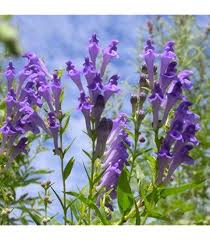
Grow Skullcap from heirloom non-GMO seeds for an attractive herbaceous plant with green foliage and delicate hooded flowers. Ideal for herb gardens, cottage borders, containers, pollinator spaces, and naturalistic garden displays.
Key Features
-
Produces attractive green foliage with distinctive hooded flowers.
-
Heirloom, non-GMO seed choice for home gardeners.
-
Suitable for herb gardens, borders, containers, and cottage landscapes.
-
Adds delicate texture and seasonal color to garden spaces.
-
Performs well in sunny to partially shaded locations.
-
Offers an interesting addition to traditional and naturalistic gardens.
Growing Benefits
-
Adds graceful foliage and delicate flowers to garden borders.
-
Works well in cottage-style and naturalistic planting designs.
-
Suitable for containers and smaller garden spaces.
-
Creates seasonal interest without requiring elaborate garden care.
-
Provides a rewarding herb-growing project from seed.
Seed Specifications
-
Common Name: Skullcap
-
Botanical Name: Scutellaria spp.
-
Plant Type: Herbaceous annual or perennial, depending on species
-
Family: Lamiaceae
-
Flower Color: Blue, violet, purple, pink, white, or other shades depending on species
-
Flower Shape: Small hooded or tubular flowers
-
Foliage: Green leaves, generally opposite along the stems
-
Growth Habit: Upright, spreading, or clumping depending on species
-
Sunlight: Full sun to partial shade
-
Soil: Loose, fertile, well-drained soil
-
Water: Moderate; maintain consistent moisture during establishment
-
Germination Time: Approximately 2–6 weeks under favorable conditions
-
Sowing Depth: Surface sow or cover very lightly
-
Spacing: Approximately 12–18 inches, depending on species
-
Growing Zones: Varies considerably by species
-
Flowering/Maturity: Flowering period varies by species and growing conditions
-
Uses: Herb gardens, cottage gardens, borders, containers, naturalistic plantings, and ornamental landscapes
Growing Tips
-
Identify the exact Scutellaria species before following species-specific growing requirements.
-
Sow seeds shallowly because many skullcap seeds benefit from light during germination.
-
Keep the seed-starting medium evenly moist without creating waterlogged conditions.
-
Provide good airflow around established plants to support healthy growth.
Seed Storage
Store unused seeds in a cool, dry, dark location. Keep them sealed in their original packet or an airtight container away from moisture, heat, and direct sunlight. Proper storage helps preserve seed quality between growing seasons.
Important Growing Note
“Skullcap” is a common name used for multiple Scutellaria species, and their size, flower color, hardiness, moisture requirements, and germination behavior can differ. Confirm the exact botanical species supplied before making specific claims about mature size, growing zones, culinary use, or herbal use.
Some Scutellaria species have a history of traditional herbal use. This listing is intended for gardening information only and does not recommend consuming or preparing home-grown plant material. Correct botanical identification and qualified professional guidance are important before any herbal use.
Unique Facts About Seeds
-
Skullcap belongs to the mint family, Lamiaceae.
-
The common name comes from the distinctive shape of the flowers, which can resemble a small helmet or cap.
-
Scutellaria includes both annual and perennial species.
-
Flower colors and growth habits vary widely across the genus.
-
Many skullcap species produce flowers that add delicate detail to cottage and naturalistic gardens.