


Key Features
-
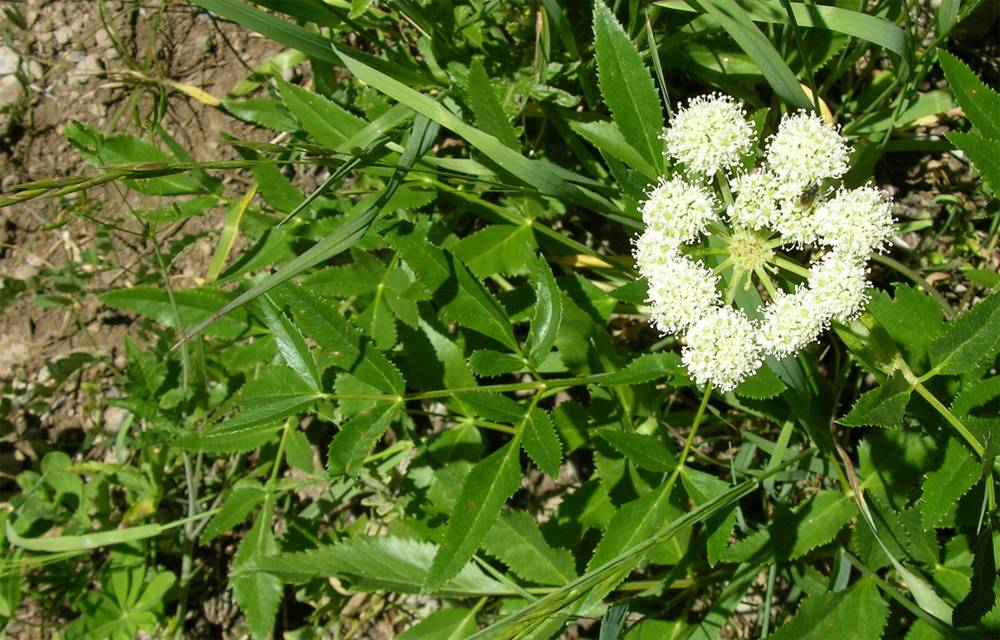
Plant Variety: Shining angelica, a perennial herb native to western North America.
-
Flower Color: Produces clusters of small white to creamy-white flowers.
-
Plant Characteristics: Upright growth, divided leaves, and sturdy flowering stems.
-
Garden Uses: Suitable for native plant gardens, cottage gardens, and pollinator-friendly landscapes.
-
Distinctive Appearance: Umbrella-shaped flower clusters create an attractive, natural look in garden settings.
Growing Benefits
-
Adds a distinctive native perennial to herb and wildflower gardens.
-
Provides delicate flower clusters that complement naturalistic garden designs.
-
Attracts visiting pollinators when flowering under suitable conditions.
-
Offers an opportunity to explore the diversity of North American native plants.
-
Brings height and leafy texture to suitable garden borders and naturalized spaces.
Seed Specifications
-
Common Name: Shining Angelica
-
Botanical Name: Angelica arguta
-
Plant Type: Herbaceous perennial
-
Colors: Green foliage with white to creamy-white flowers
-
Height: Variable; mature plants can grow several feet tall depending on growing conditions.
-
Sunlight: Full sun to partial shade
-
Soil: Moist, fertile soil with good organic content
-
Water: Regular moisture; prefers moist to wet growing conditions
-
Germination Time: Variable; cold stratification is generally recommended for stored seed.
-
Sowing Depth: Surface sow or cover very lightly, as seed germination may benefit from light.
-
Spacing: Allow generous room for mature plants; final spacing depends on garden conditions.
-
Growing Zones: Native range extends from Alaska and western Canada into the western United States; local hardiness suitability varies.
-
Flowering/Maturity: Usually flowers in late spring or summer, depending on location and conditions.
-
Uses: Native plant gardens, pollinator landscapes, naturalized areas, and botanical collections.
These growing details are based on botanical references for Angelica arguta, also known as Lyall’s angelica or sharp-tooth angelica.
Growing Tips
-
Keep the soil consistently moist, especially while seedlings are establishing.
-
Cold-stratify stored seeds before sowing to help overcome dormancy.
-
Choose a location with room for tall stems and spreading foliage.
-
Transplant young seedlings carefully because angelica develops a substantial taproot.
Seed Storage
Keep seeds in a clearly labelled paper packet or sealed container in a cool, dry, dark place. Avoid excess heat and moisture. Because angelica seed viability can decline during storage, sow fresh seed when possible and follow the supplier's storage recommendations.
Unique Facts About the Seeds and Plant
-
Native wildflower: Angelica arguta is native to western North America, including parts of western Canada and the United States.
-
Umbrella-shaped blooms: Its tiny flowers grow in clusters called umbels, a characteristic shared by members of the carrot family.
-
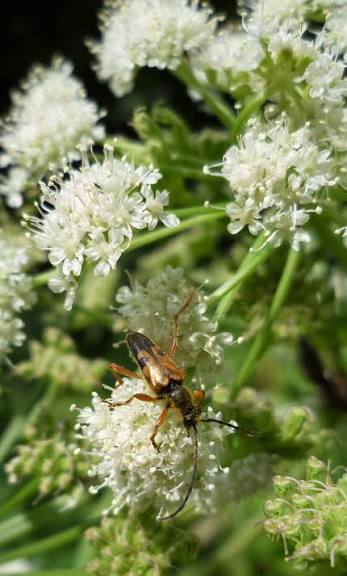
Wildlife value: Its flowers can attract bees and beetles, contributing to the activity of pollinators in native gardens.
-
Moisture-loving plant: In the wild, it is commonly found near streambanks, wet meadows, marshes, and moist woodland openings.