



Key Features
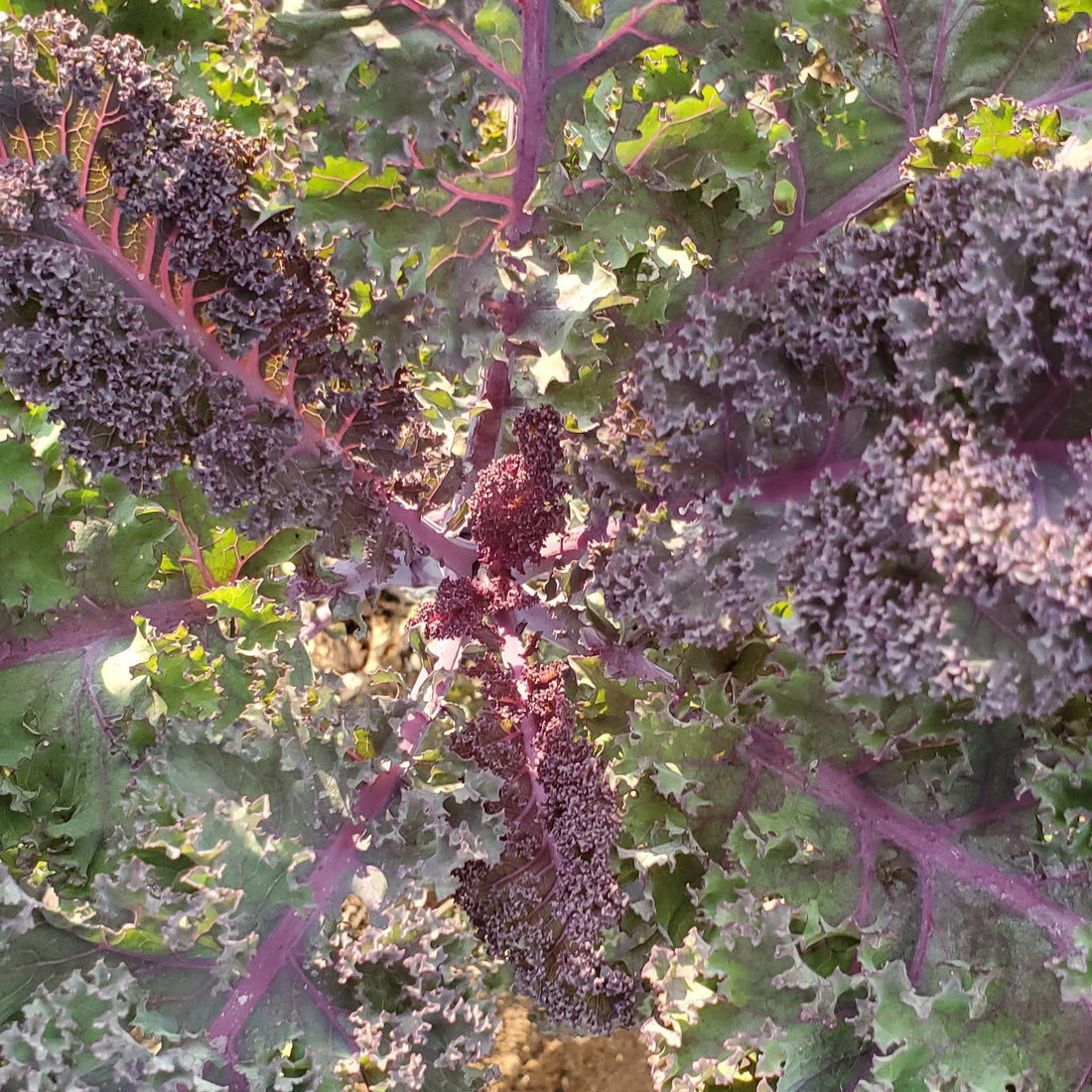
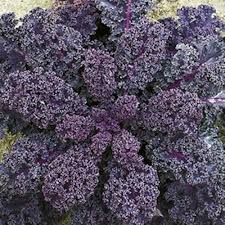
- Produces attractive scarlet-red and green-toned foliage with tender, frilled leaves.
- Heirloom kale variety suited to home vegetable and cool-season gardens.
- Beautiful foliage adds color and texture to raised beds, borders, and containers.
- Ideal for fresh salads, sautés, soups, smoothies, and cooked greens.
- Performs best in cool weather and fertile, well-drained soil.
Growing Benefits
- Adds striking red and green foliage to the vegetable garden.
- Provides fresh leafy greens for a variety of homemade dishes.
- Suitable for containers, raised beds, garden plots, and edible landscapes.
- Cool-season growth makes it useful for extending the garden harvest.
- A colorful heirloom choice for gardeners who enjoy distinctive kale varieties.
Seed Specifications
- Common Name: Scarlet Kale / Red Russian Kale
- Botanical Name: Brassica napus var. pabularia
- Plant Type: Cool-season biennial, commonly grown as an annual
- Foliage: Frilled, tender leaves
- Leaf Color: Green with red to purple stems and veins
- Growth Habit: Upright, spreading rosette
- Sunlight: Full sun to partial shade
- Soil: Fertile, loose, well-drained soil
- Water: Regular and consistent
- Germination Time: Approximately 5–10 days under favorable conditions
- Sowing Depth: Approximately ¼ inch
- Spacing: Approximately 12–18 inches between plants
- Growing Zones: Generally suited to USDA Zones 2–11 as a cool-season crop
- Maturity: Approximately 50–70 days, depending on growing conditions and harvest stage
- Uses: Salads, soups, sautés, smoothies, cooked greens, containers, raised beds, and edible gardens
Growing Tips
- Sow seeds directly outdoors during cool weather or start indoors several weeks before transplanting.
- Cover seeds lightly with soil and maintain even moisture.
- Choose a sunny location with fertile, well-drained soil.
- Thin seedlings to provide enough room for mature foliage.
- Harvest young leaves for tender greens or allow leaves to mature for larger harvests.
- Use row covers if needed to protect young plants from common garden pests.
Seed Storage
Store unused seeds in a cool, dry, dark location. Keep them sealed in their original packet or an airtight container away from moisture, heat, and direct sunlight.
Unique Facts About Seeds
- Red Russian kale is recognized for its flat, deeply cut leaves and colorful red-purple stems and veins.
- Kale belongs to the Brassicaceae family, which includes cabbage, broccoli, and cauliflower.
- Cool weather can improve the tenderness and flavor of kale leaves.
- Red Russian kale is an heirloom-type leafy green valued by home gardeners for both appearance and versatility.