


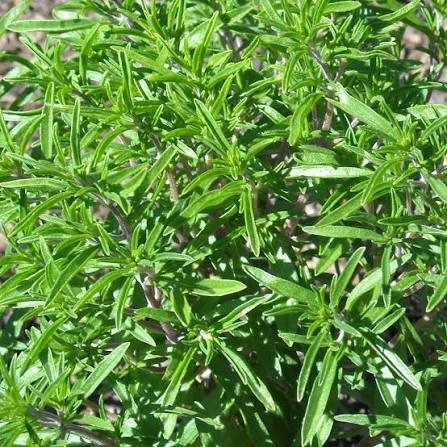
Grow savory herb plants from heirloom non-GMO seeds for aromatic foliage and delicate flowers. An easy addition to herb gardens, containers, raised beds, cottage gardens, and sunny kitchen-garden spaces.
Key Features
-
Produces fragrant green foliage with a distinctive herbal aroma.
-
Creates small flowers that add seasonal garden interest.
-
Heirloom, non-GMO seed choice for home herb gardens.
-
Ideal for containers, raised beds, borders, patios, and kitchen gardens.
-
Performs best in full sun and well-drained soil.
-
Offers fresh aromatic foliage for home culinary use when the species is confirmed edible.
Growing Benefits
-
Adds fragrant foliage to herb and kitchen gardens.
-
Grows well in containers and compact garden spaces.
-
Provides attractive greenery throughout the growing season.
-
Complements vegetables, flowers, and other culinary herbs.
-
Makes a rewarding choice for beginner herb gardeners.
Seed Specifications
-
Common Name: Savory
-
Botanical Name: Satureja spp.
-
Plant Type: Annual or perennial herb depending on species
-
Flower Color: White, pink, or pale lavender depending on species
-
Flower Shape: Small, tubular or two-lipped flowers
-
Foliage: Small, narrow to oval aromatic green leaves
-
Growth Habit: Upright, bushy, or spreading depending on species
-
Sunlight: Full sun to partial shade
-
Soil: Loose, fertile, well-drained soil
-
Water: Moderate; allow the upper soil to dry slightly between waterings
-
Germination Time: Approximately 7–21 days under favorable conditions
-
Sowing Depth: Surface sow or cover lightly, approximately ⅛ inch
-
Spacing: Approximately 8–12 inches depending on species and mature size
-
Growing Zones: Varies by species; annual types can be grown during the warm season
-
Flowering/Maturity: Flowering generally occurs during the growing season once plants become established
-
Uses: Herb gardens, containers, raised beds, borders, kitchen gardens, cottage gardens, and culinary herb growing
Growing Tips
-
Sow seeds shallowly because small savory seeds need light and warmth for good emergence.
-
Choose a sunny location with loose, well-drained soil.
-
Avoid excessive watering, especially in heavy or poorly drained soil.
-
Harvest young aromatic foliage regularly to encourage fresh growth.
Seed Storage
Store unused seeds in a cool, dry, dark location. Keep them sealed in their original packet or an airtight container away from moisture, heat, and direct sunlight.
Important Growing Note
“Savory” is a common name used for several species in the Satureja genus. Summer savory (Satureja hortensis) is commonly grown as an annual culinary herb, while winter savory (Satureja montana) is a perennial. Because growth habit, hardiness, flavor, and flowering characteristics vary by species, verify the exact botanical identity supplied with the seed before making species-specific claims.
Unique Facts About Seeds
-
Savory belongs to the mint family, Lamiaceae.
-
The genus Satureja includes both annual and perennial herb species.
-
Savory plants typically produce small aromatic leaves on branching stems.
-
Tiny flowers can attract bees and other beneficial insects.
-
Summer savory and winter savory are two well-known culinary types with different growth habits.