


Key Features
-
Tropical Fruit Plant: Salak, commonly known as snake fruit, is a tropical palm species.
-
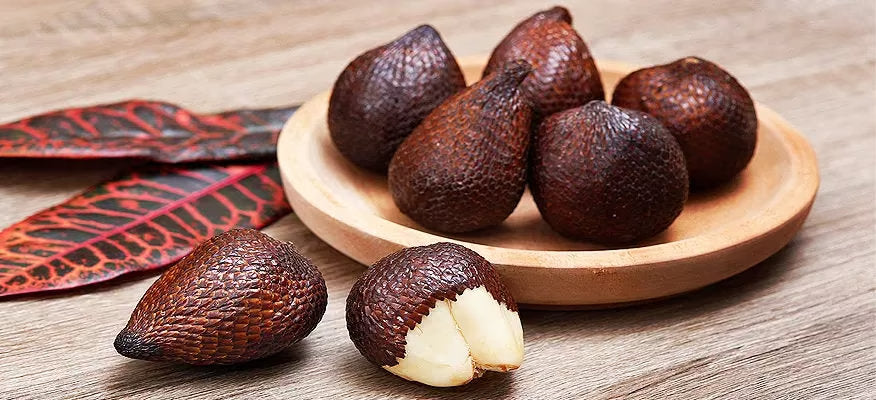
Distinctive Fruit: Produces reddish-brown fruit with textured, scaly skin and pale edible flesh.
-
Growth Habit: Forms clumps of spiny palm stems with long, feather-like leaves.
-
Garden Use: Suitable for tropical gardens and warm, humid growing environments.
-
Ornamental Appeal: Offers unusual foliage and the opportunity to grow an interesting tropical fruit plant.
Growing Benefits
-
Explore growing an unusual tropical fruit plant from seed.
-
Add distinctive palm foliage to a warm-climate garden.
-
Enjoy learning about tropical fruit cultivation and plant development.
-
Create an attractive focal point in a suitable tropical landscape.
-
Experience the long-term satisfaction of nurturing a fruit-bearing palm.
Seed Specifications
-
Common Name: Salak, Snake Fruit, Salak Palm
-
Botanical Name: Salacca zalacca
-
Plant Type: Tropical, clump-forming palm
-
Colors: Ripe fruit is generally reddish-brown; flesh is cream to pale yellow.
-
Height: Can reach several metres under suitable tropical growing conditions.
-
Sunlight: Partial shade for young plants; bright sunlight to partial shade as they establish.
-
Soil: Rich, organic, moisture-retentive soil with good drainage.
-
Water: Regular watering to maintain evenly moist soil without prolonged waterlogging.
-
Germination Time: Variable; fresh seeds may germinate over several weeks under warm, humid conditions.
-
Sowing Depth: Cover seeds with a shallow layer of moist growing medium.
-
Spacing: Provide generous space for clumping growth and spreading foliage.
-
Growing Zones: Best suited to frost-free tropical climates with warm temperatures and high humidity.
-
Flowering/Maturity: Flowering and fruiting depend on plant maturity, growing conditions, and pollination; fruit production may take several years.
-
Uses: Tropical fruit gardening, edible fruit production, and ornamental tropical landscapes.
Growing Tips
-
Use fresh seeds because salak seeds can lose viability when allowed to dry.
-
Maintain warm temperatures and consistent moisture throughout germination.
-
Protect young seedlings from harsh afternoon sunlight and strong winds.
-
Plant male and female plants when needed for pollination and fruit production.
Seed Storage
Salak seeds are sensitive to drying and are best sown soon after extraction from ripe fruit. Keep them slightly moist during short-term handling, avoid prolonged storage in dry conditions, and do not leave them soaking in stagnant water. Freshness is important for successful germination.
Unique Facts About Salak Seeds
-
Snake-like fruit skin: Salak gets its common name from the reddish-brown, scaly skin of its fruit.
-
Clumping palm: Unlike many palms with a single trunk, salak develops multiple stems from its base.
-
Edible tropical fruit: The fruit has firm, pale flesh and a sweet-tart flavor that varies among cultivars.
-
Pollination matters: Salak commonly has separate male and female flowers, so suitable pollination is important for fruit production.