


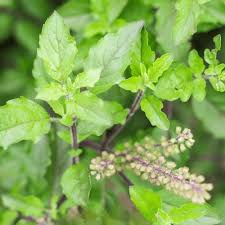
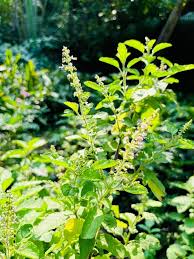
Grow Sacred Tulsi from heirloom non-GMO seeds for aromatic green foliage and delicate flower spikes. A fragrant warm-season herb ideal for herb gardens, containers, patios, kitchen gardens, and sunny garden borders.
Key Features
-
Produces fragrant green foliage with a distinctive herbal aroma.
-
Develops delicate flower spikes above attractive leafy stems.
-
Heirloom, non-GMO seed choice for home herb gardens.
-
Ideal for containers, patios, kitchen gardens, borders, and windowsills.
-
Performs best in warm conditions with plenty of sunlight.
-
Adds fragrance, texture, and natural charm to edible garden spaces.
Growing Benefits
-
Adds a fragrant herb to home garden collections.
-
Works beautifully in containers, patios, and compact spaces.
-
Provides fresh aromatic foliage for traditional household uses.
-
Creates attractive leafy growth with delicate flower spikes.
-
Offers an enjoyable warm-season herb-growing experience.
Seed Specifications
-
Common Name: Sacred Tulsi, Holy Basil, Tulsi
-
Botanical Name: Ocimum tenuiflorum
-
Plant Type: Warm-season herbaceous perennial, commonly grown as an annual in cooler climates
-
Family: Lamiaceae
-
Foliage: Aromatic green leaves, sometimes with purplish tones depending on the type
-
Flower Color: White, pink, lavender, or purplish depending on the form
-
Flower Shape: Small tubular flowers arranged on upright spikes
-
Growth Habit: Upright, branching, and bushy
-
Sunlight: Full sun to partial shade
-
Soil: Fertile, loose, well-drained soil
-
Water: Moderate; keep soil evenly moist during establishment
-
Germination Time: Approximately 7–21 days under favorable conditions
-
Sowing Depth: Surface sow or cover lightly, approximately ⅛ inch
-
Spacing: Approximately 12–18 inches
-
Growing Zones: Generally suited to USDA Zones 10–12 as a perennial; commonly grown as an annual in cooler climates
-
Flowering/Maturity: Flowers during the warm growing season when plants reach maturity
-
Uses: Herb gardens, containers, kitchen gardens, patios, borders, windowsills, and traditional culinary or household use
Growing Tips
-
Start seeds indoors in cooler climates for an earlier growing season.
-
Sow seeds shallowly because they need access to moisture and warmth for emergence.
-
Provide plenty of sunlight and warmth after germination.
-
Pinch growing tips regularly to encourage a fuller, branching plant.
Seed Storage
Store unused seeds in a cool, dry, dark location. Keep them sealed in their original packet or an airtight container away from moisture, heat, and direct sunlight. Proper storage helps maintain seed quality between growing seasons.
Important Growing Note
Sacred Tulsi is commonly identified botanically as Ocimum tenuiflorum, while the name “Tulsi” can refer to several cultivated forms and regional types. Appearance, fragrance, leaf color, and flower color may vary among seed lines.
For culinary or traditional household use, verify the botanical identity and intended use of the supplied seed before consumption.
Unique Facts About Seeds
-
Sacred Tulsi belongs to the mint family, Lamiaceae.
-
The plant is closely related to culinary basil but has its own distinctive aroma and growth characteristics.
-
Small flowers are arranged along upright spikes above the foliage.
-
Tulsi is widely cultivated in warm climates as both an ornamental and aromatic herb.
-
Regular harvesting and pinching can encourage a fuller, more branching plant.