


Key Features
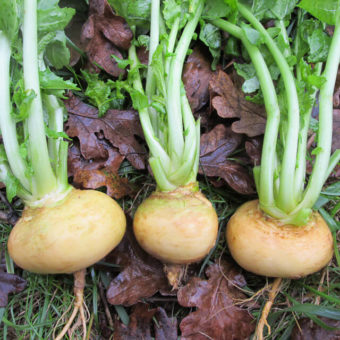
- Yellow-fleshed rutabaga variety with rounded roots and purple-yellow skin.
- Cool-season root vegetable suited to home gardens and kitchen plots.
- Produces edible roots with firm texture and a mild, earthy flavor.
- Attractive foliage adds useful greenery to vegetable beds and garden rows.
- Great for roasting, mashing, soups, stews, and fresh seasonal cooking.
Growing Benefits
- Enjoy a rewarding cool-season crop from your home vegetable garden.
- Grow flavorful roots for a variety of homemade meals.
- Suitable for garden beds, raised beds, and larger containers.
- Provides an excellent option for extending the vegetable-growing season.
- Beginner-friendly when grown in cool weather with consistent moisture.
Seed Specifications
- Common Name: Yellow Rutabaga
- Botanical Name: Brassica napus var. napobrassica
- Plant Type: Cool-season biennial root vegetable, usually grown as an annual
- Colors: Yellow flesh with yellow to purple-tinged skin
- Height: Approximately one to two feet
- Sunlight: Full sun
- Soil: Fertile, loose, well-draining soil rich in organic matter
- Water: Consistent moisture without waterlogged conditions
- Germination Time: Approximately three to ten days under suitable conditions
- Sowing Depth: About one-half inch deep
- Spacing: Thin seedlings to approximately six inches apart
- Growing Zones: Generally suitable for USDA Zones three through nine, depending on seasonal conditions
- Flowering/Maturity: Typically matures in about ninety days; flowering is uncommon during first-year root production
- Uses: Roasting, boiling, mashing, soups, stews, and other cooked dishes
Four Growing Tips
- Sow seeds during cool weather for the best root development.
- Keep soil evenly moist while seeds germinate and seedlings establish.
- Thin crowded seedlings early to encourage well-shaped roots.
- Harvest roots when they reach a useful size and before prolonged heat.
Seed Storage
Store unused seeds in a cool, dry, dark location away from moisture and direct sunlight. Keep them in a tightly sealed, labeled seed packet or airtight container. Avoid storing seeds in areas exposed to heat or humidity.
Unique Facts About Seeds
- Rutabaga is a member of the Brassicaceae family, which includes cabbage, broccoli, and turnips.
- Rutabaga is also commonly known as swede in several English-speaking regions.
- The edible root develops below the soil while the leafy portion grows above ground.
- Rutabagas generally perform best in cool conditions, and mild weather supports quality root development.