Skip to product information
1 of 3

EdenValleySeeds

Ridge Gourd Seeds for Planting – Heirloom Non-GMO Garden Seeds

Ridge Gourd Seeds for Planting – Heirloom Non-GMO Garden Seeds

No reviews yet
Regular price $16.99 USD
Regular price Sale price $16.99 USD
Sale Sold out
Size
Quantity
Free shipping on every order Order today and estimated delivery is Sep 15 – Sep 18
Ordered Aug 31
Order Ready Sep 02 – Sep 04
Delivered Sep 15 – Sep 18
✓ Secure checkout ✓ Carefully packed seeds ✓ Tracked delivery ✓ Quality-focused selection

Bundle & Save

Choose a bundle to unlock savings

Up to 20% off

Select a bundle to see your savings

View full details

Key Features

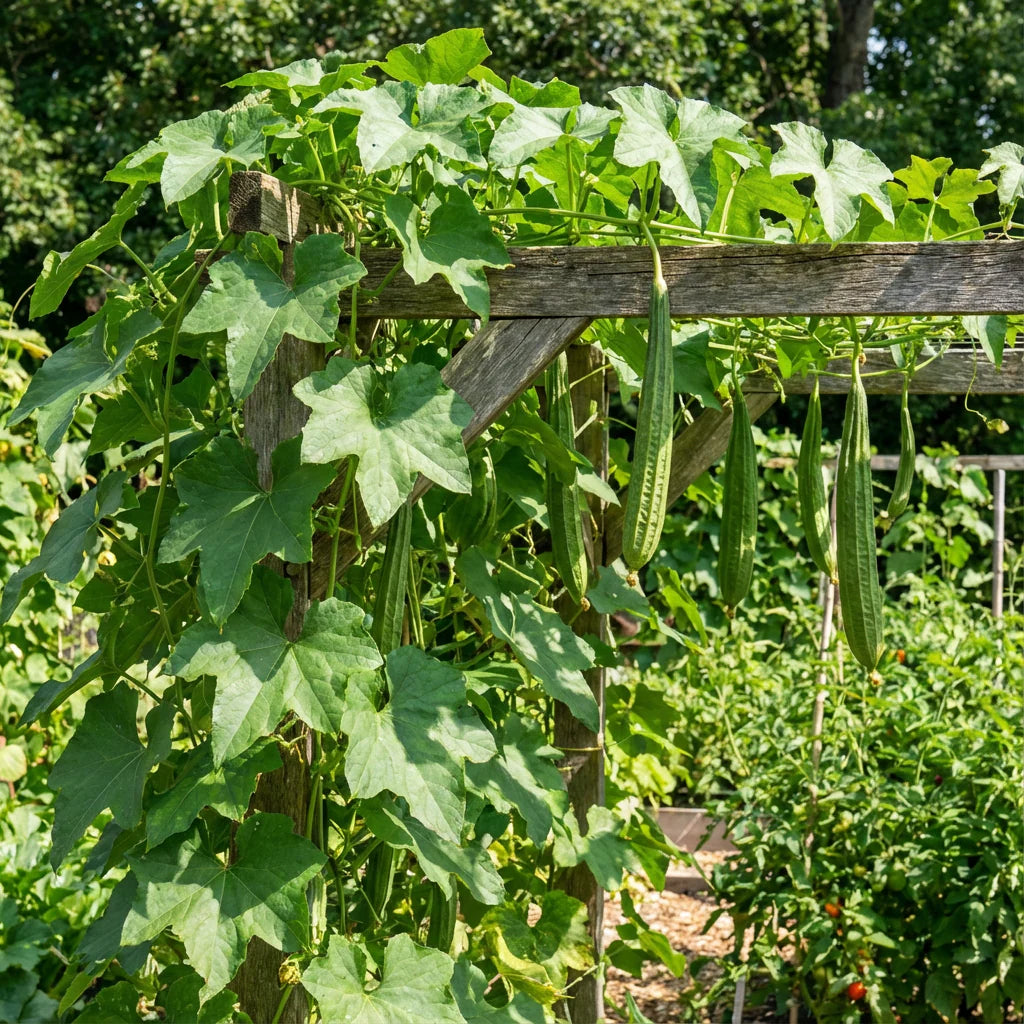
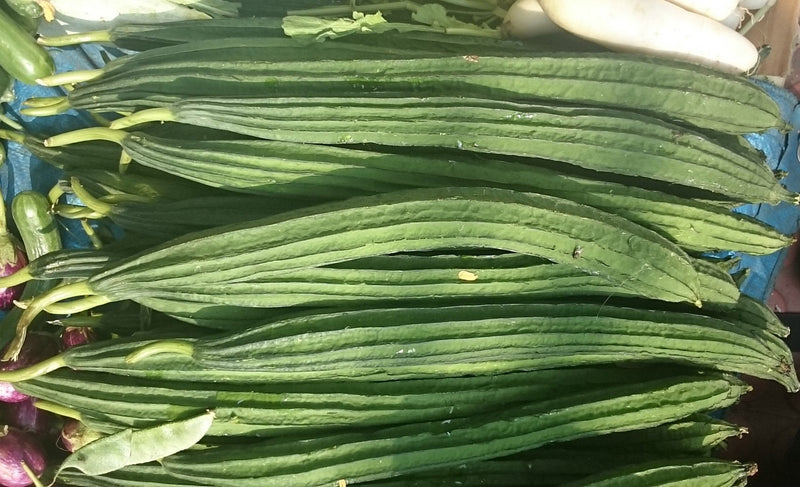
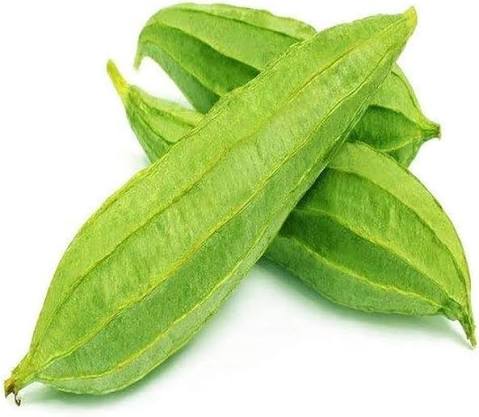
  • Produces elongated green fruits with distinctive raised ridges.
  • Vigorous climbing vines are ideal for trellises, fences, and garden supports.
  • Warm-season vegetable suited to sunny home gardens.
  • Grows best in fertile, loose, well-drained soil with regular moisture.
  • Young ridge gourds are commonly used in curries, stir-fries, soups, and cooked dishes.

Growing Benefits

  • Adds vertical interest and productive growth to the vegetable garden.
  • Provides a unique homegrown vegetable for seasonal cooking.
  • Trellising helps organize vigorous vines and keeps fruits off the ground.
  • Suitable for gardeners growing traditional and specialty vegetables.
  • A rewarding warm-season crop for home vegetable gardens.

Seed Specifications

  • Common Name: Ridge Gourd
  • Botanical Name: Luffa acutangula
  • Plant Type: Warm-season annual vine
  • Fruit Color: Green
  • Fruit Shape: Long and cylindrical
  • Fruit Surface: Prominent longitudinal ridges
  • Growth Habit: Vigorous climbing vine
  • Flower Color: Yellow
  • Sunlight: Full sun
  • Soil: Fertile, loose, well-drained soil
  • Water: Regular and consistent
  • Germination Time: Approximately 7–14 days under favorable conditions
  • Sowing Depth: Approximately ½–1 inch
  • Spacing: Approximately 18–36 inches between plants with sturdy support
  • Growing Zones: Best grown as a warm-season annual in USDA Zones 8–11; can be grown seasonally in cooler regions
  • Maturity: Approximately 60–90 days, depending on variety and growing conditions
  • Uses: Curries, stir-fries, soups, stews, cooked dishes, vegetable gardens, trellises, and specialty crop collections

Growing Tips

  • Plant after the danger of frost has passed and the soil has warmed.
  • Choose a location with full sun and fertile, well-drained soil.
  • Provide a sturdy trellis or fence for the climbing vines.
  • Water consistently during flowering and fruit development.
  • Harvest young fruits while they are tender for culinary use.

Seed Storage

Store unused seeds in a cool, dry, dark location. Keep them sealed in their original packet or an airtight container away from moisture, heat, and direct sunlight.

Unique Facts About Seeds

  • Ridge gourd belongs to the cucumber family, Cucurbitaceae.
  • Its botanical name is Luffa acutangula.
  • The fruit is easily recognized by its prominent longitudinal ridges.
  • When allowed to mature fully, ridge gourd can develop a fibrous interior associated with luffa gourds.

Growing Instructions

Planting Season: Sow outdoors after the danger of frost has passed and the soil has warmed. Ridge gourd grows best in warm conditions.

Sowing: Prepare fertile, loose, well-drained soil in a sunny location. Sow seeds near a sturdy trellis, fence, or other climbing support.

Depth: Plant seeds approximately ½–1 inch deep and cover lightly with soil.

Spacing: Space plants approximately 18–36 inches apart, depending on the support system and available garden space.

Sunlight: Provide full sun with approximately 6–8 hours of direct sunlight daily.

Soil: Use fertile, well-drained soil enriched with organic matter. Avoid areas where water remains stagnant.

Watering: Keep soil consistently moist during germination and active growth. Water deeply and regularly during flowering and fruit development.

Germination: Seeds commonly germinate within approximately 7–14 days under warm, favorable conditions. Soaking seeds before planting may help soften the seed coat.

Transplanting: If started indoors, transplant carefully after temperatures and soil have warmed. Minimize root disturbance.

Fertilizing: Add compost or a balanced vegetable fertilizer before planting if needed. Avoid excessive nitrogen after flowering begins.

Care: Train vines onto sturdy supports and keep weeds controlled around the plants. Allow adequate airflow and room for fruits to develop.

Flowering/Maturity: Yellow flowers appear during the growing season, followed by elongated ridged fruits. Harvestable fruits commonly develop within approximately 60–90 days, depending on variety and conditions.

Harvesting: Pick ridge gourds while young and tender, before the skin and interior become tough. Use clean garden shears or a knife when removing fruits from the vine.