Skip to product information
1 of 3

EdenValleySeeds

Red Persimmon Fruit Seeds for Planting – Heirloom Non-GMO Garden Seeds

Red Persimmon Fruit Seeds for Planting – Heirloom Non-GMO Garden Seeds

No reviews yet
Regular price $18.89 USD
Regular price Sale price $18.89 USD
Sale Sold out
Size
Quantity
DELIVERY ESTIMATE
Oct 21 – Oct 23 Estimated arrival
ORDER Oct 11 Order placed
ORDER READY Oct 13 – Oct 14 2–3 business days
DELIVERED Oct 21 – Oct 23 10–12 business days total
Carefully packed and tracked from dispatch to delivery.
Secure checkout Carefully packed seeds Tracked delivery Quality-focused selection
View full details

Key Features

  • Grow an attractive persimmon tree from seed

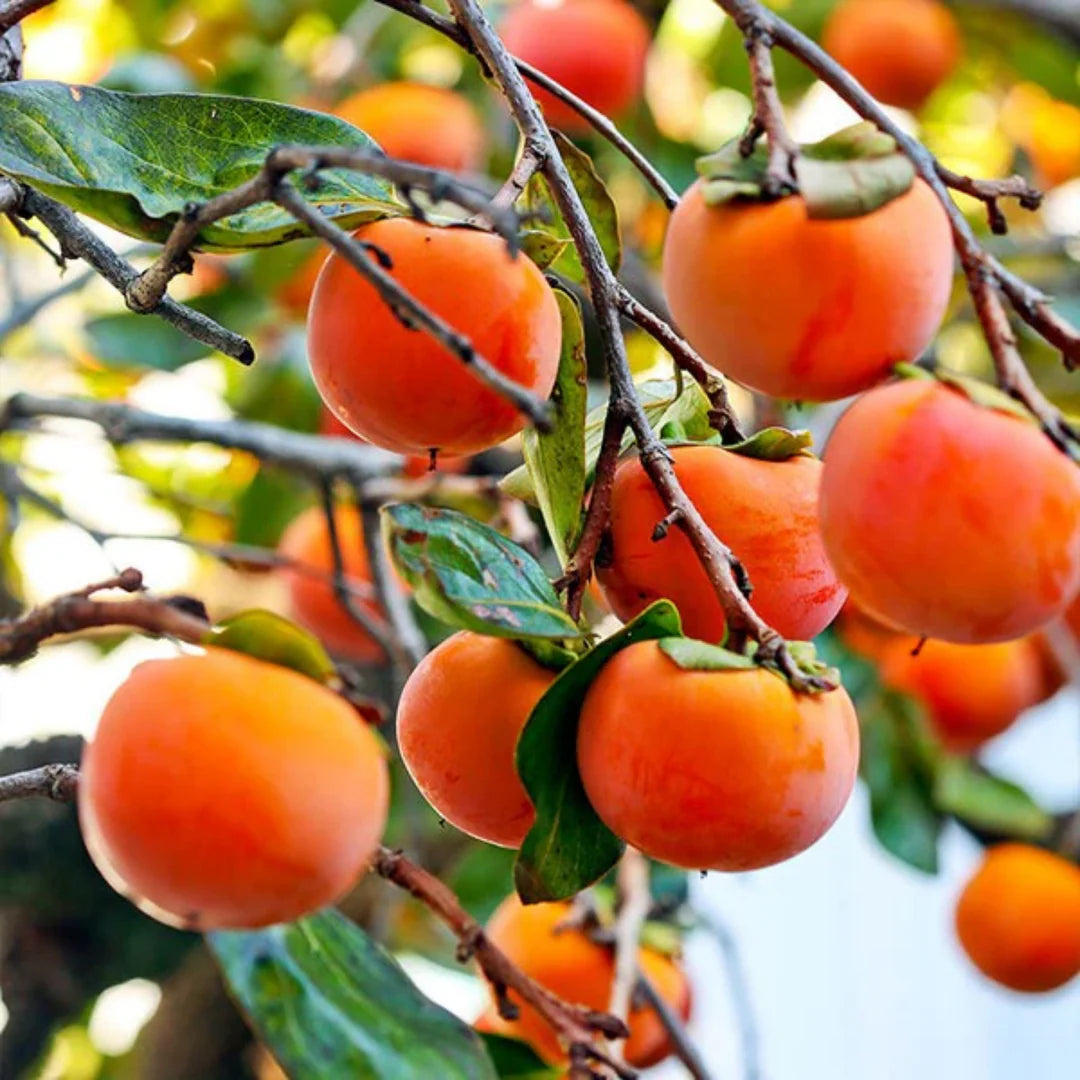
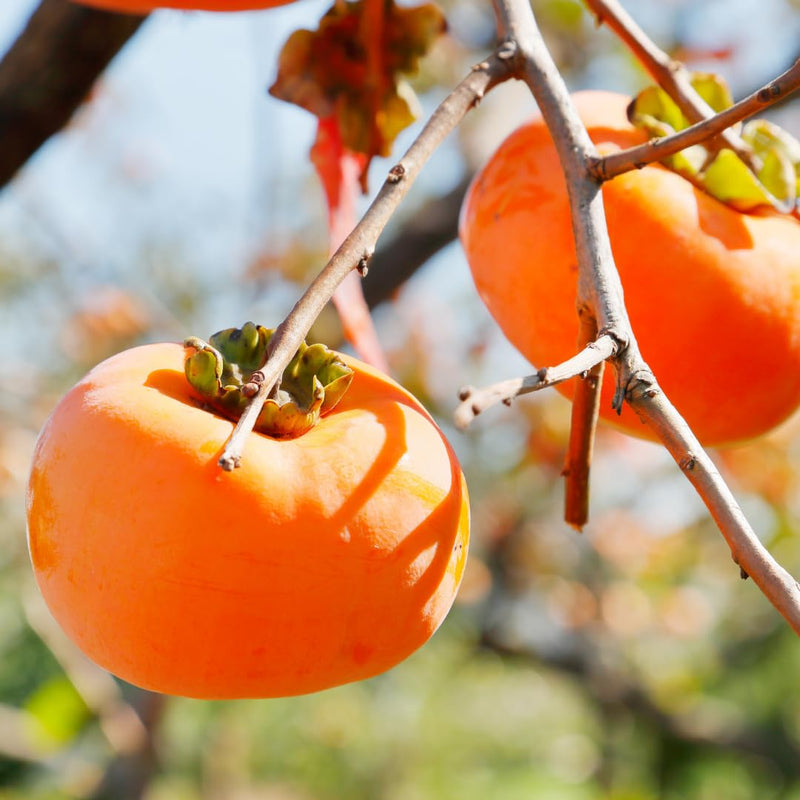
  • Produces colorful red to orange-red fruit characteristics

  • Beautiful foliage adds seasonal interest to the landscape

  • Excellent choice for home orchards and edible gardens

  • Suitable for warm gardens and protected growing spaces

Growing Benefits

  • Adds a distinctive fruit tree to your home landscape

  • Enjoy the rewarding experience of growing persimmons from seed

  • Attractive foliage provides seasonal garden appeal

  • Great for edible landscapes and backyard orchards

  • Ideal for gardeners interested in unusual fruit varieties

Seed Specifications

  • Plant Type: Deciduous fruit tree

  • Botanical Group: Diospyros species

  • Fruit: Red to orange-red persimmon fruit; characteristics may vary

  • Light Requirement: Full sun

  • Best Use: Home orchards, edible landscapes, backyard gardens, and large containers while young

Growing Tips

  • Give seeds and young plants warm conditions and well-draining soil.

  • Provide full sunlight after seedlings become established.

  • Keep the soil evenly moist without allowing water to remain saturated.

  • Protect young trees from severe cold and extreme weather.

Seed Storage

Store unused seeds in a cool, dry location away from direct sunlight and excess humidity. Keep them in a sealed, moisture-resistant container or packet. Persimmon seeds can have natural dormancy, so appropriate cold-moist stratification may improve germination.

Unique Facts About Seeds

  • Persimmons belong to the genus Diospyros.

  • Different persimmon species and varieties can produce fruit ranging from yellow and orange to deep red.

  • Persimmon trees can provide attractive foliage and colorful seasonal fruit.

  • Seeds commonly benefit from a period of cool, moist conditions before germination.

  • Seed-grown persimmons may differ from the parent plant in fruit size, color, flavor, and other characteristics.

Growing Instructions

Begin by cleaning the seeds and preparing them for cold-moist stratification, which can help overcome natural dormancy. Place the seeds in a slightly moist growing medium and keep them cool for the appropriate period before sowing. Do not allow the seeds to dry out during this process.

After stratification, sow the seeds in a well-draining seed-starting mix and cover them lightly with soil. Keep the growing medium consistently moist but never waterlogged. Place the container in a bright location with suitable temperatures for germination and seedling development.

Once seedlings develop healthy foliage and stronger roots, transplant them carefully into individual containers. Gradually acclimate young plants to outdoor conditions before planting them in their permanent location.

Choose a sunny site with fertile, well-draining soil and adequate room for the mature tree. Water regularly while the tree is establishing, particularly during dry periods. Once established, maintain consistent moisture during active growth without keeping the soil saturated.

Provide balanced plant nutrition according to the product label and prune only as needed to maintain healthy structure. Protect young trees from severe frost and prolonged freezing conditions.

With suitable care, a seed-grown persimmon can develop into an attractive fruit tree with seasonal foliage and colorful fruit. Since these plants are grown from seed, individual trees can vary considerably and may require several years before reaching fruit-bearing maturity.