




Key Features
-
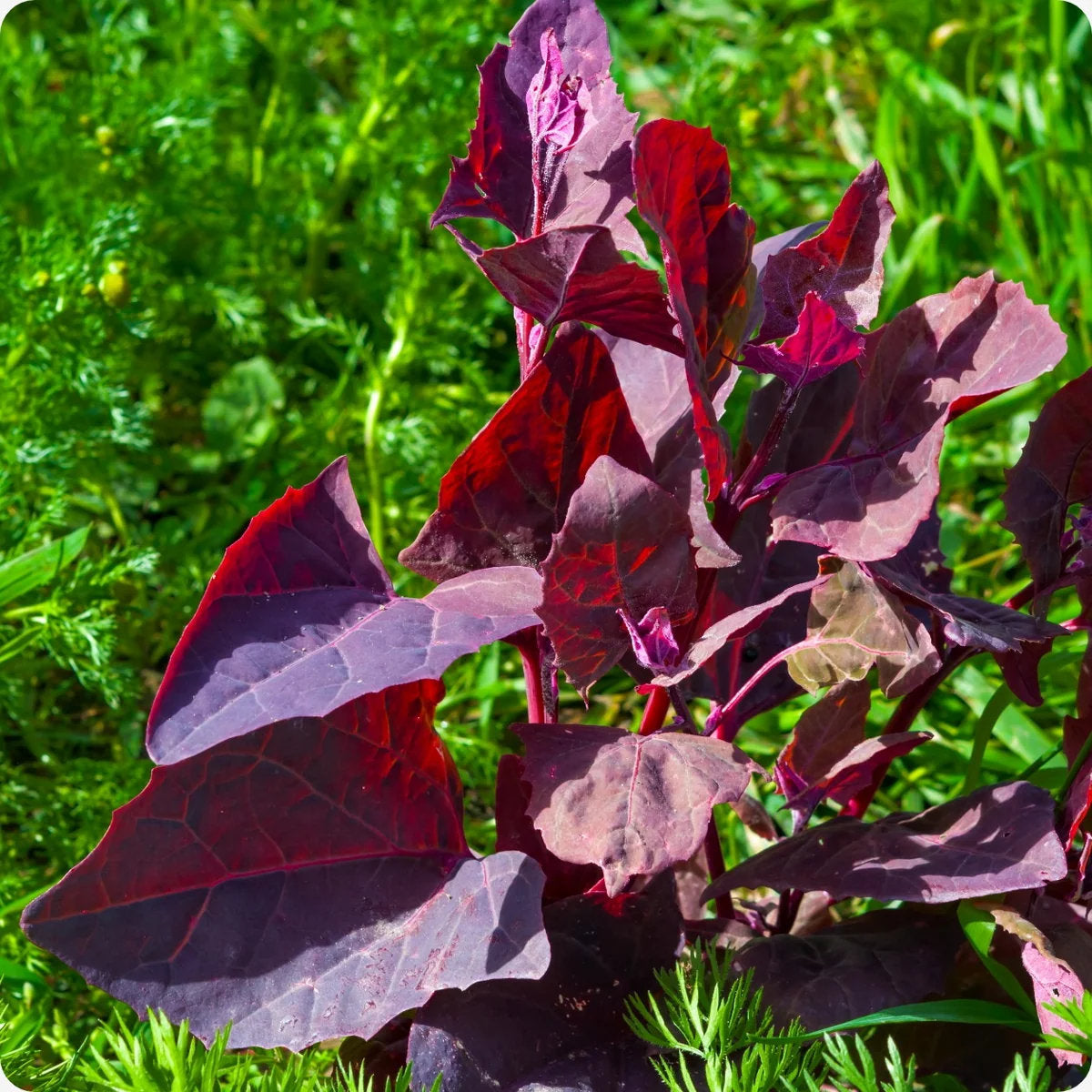
Distinctive Variety: Red orach, also known as red mountain spinach, is an attractive leafy vegetable.
-
Striking Foliage: Features vibrant red, burgundy, and reddish-purple leaves.
-
Edible Greens: Young leaves can be harvested for salads, cooking, and fresh garden dishes.
-
Upright Growth: Develops tall stems with colorful foliage that adds ornamental interest to vegetable beds.
-
Warm-Weather Vegetable: Grows well in sunny gardens and offers an alternative to traditional spinach.
Growing Benefits
-
Adds rich color and visual interest to edible garden spaces.
-
Provides fresh leafy greens for salads and home-cooked meals.
-
Offers a distinctive alternative to familiar leafy vegetables.
-
Suits vegetable beds, kitchen gardens, and suitable raised beds.
-
Allows gardeners to enjoy both ornamental foliage and edible leaves.
Seed Specifications
-
Common Name: Red Orach, Red Mountain Spinach, Garden Orach
-
Botanical Name: Atriplex hortensis
-
Plant Type: Annual leafy vegetable
-
Colors: Red, burgundy, reddish-purple foliage; small greenish flowers.
-
Height: Commonly grows about three to six feet tall, depending on variety and conditions.
-
Sunlight: Full sun to partial shade.
-
Soil: Well-drained, fertile soil with moderate organic matter.
-
Water: Regular watering; maintain even soil moisture during establishment.
-
Germination Time: Usually around seven to fourteen days under favorable conditions.
-
Sowing Depth: Approximately one-quarter inch deep.
-
Spacing: Thin seedlings to around eight to twelve inches apart.
-
Growing Zones: Adaptable to a range of temperate climates; seasonal performance depends on local conditions.
-
Flowering/Maturity: Young leaves may be ready to harvest in roughly thirty to sixty days; plants flower as they mature.
-
Uses: Fresh salads, cooked greens, vegetable gardens, and ornamental edible landscaping.
Growing Tips
-
Sow seeds in moist, well-drained soil for reliable establishment.
-
Choose a sunny location to encourage strong growth and rich foliage color.
-
Thin crowded seedlings to improve airflow and give plants room to develop.
-
Harvest young leaves regularly before plants become tall and begin flowering.
Seed Storage
Store seeds in a cool, dry, dark place in a sealed container. Keep them away from humidity, heat, and direct sunlight. Label the container with the variety and storage date to help track seed freshness.
Unique Facts About Red Orach
-
An ancient leafy vegetable: Orach has a long history of cultivation as a food plant.
-
A spinach alternative: Its young leaves can be eaten raw or cooked, much like other leafy greens.
-
Naturally colorful foliage: Red varieties contain pigments that create their distinctive reddish and burgundy appearance.
-
A tall garden plant: Unlike many compact salad greens, orach can grow into a tall, branching plant when allowed to mature.