Skip to product information
1 of 3

EdenValleySeeds

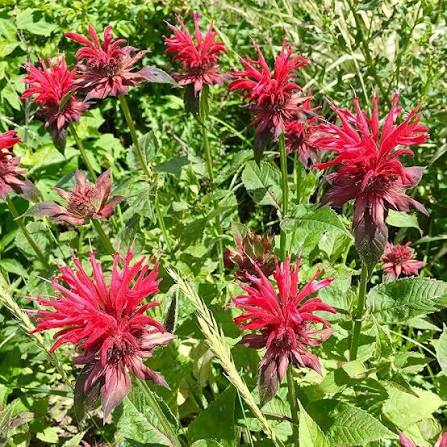
Red Monarda Didyma Flower Seeds for Planting – Heirloom Non-GMO Garden Seeds

Red Monarda Didyma Flower Seeds for Planting – Heirloom Non-GMO Garden Seeds

No reviews yet
Regular price $16.99 USD
Regular price Sale price $16.99 USD
Sale Sold out
Size
Quantity
Free shipping on every order Order today and estimated delivery is Sep 13 – Sep 16
Ordered Aug 29
Order Ready Aug 31 – Sep 02
Delivered Sep 13 – Sep 16
✓ Secure checkout ✓ Carefully packed seeds ✓ Tracked delivery ✓ Quality-focused selection

Bundle & Save

Choose a bundle to unlock savings

Up to 20% off

Select a bundle to see your savings

View full details

Key Features

  • Produces vibrant red, tubular flowers arranged in distinctive rounded clusters.
  • Upright herbaceous perennial with aromatic green foliage and branching stems.
  • Excellent for cottage gardens, flower borders, pollinator gardens, and naturalized landscapes.
  • Performs best in full sun to partial shade with rich, moist, well-drained soil.
  • Attractive blooms can bring bees, butterflies, and hummingbirds to the garden.

Growing Benefits

  • Adds bold red color and vertical interest to garden beds.
  • Creates an inviting space for bees, butterflies, and hummingbirds.
  • Perennial growth provides recurring seasonal interest.
  • Works beautifully in cottage gardens, borders, and pollinator plantings.
  • Aromatic foliage adds texture and sensory appeal to outdoor spaces.

Seed Specifications

  • Common Name: Red Bee Balm, Scarlet Bee Balm, Oswego Tea
  • Botanical Name: Monarda didyma
  • Plant Type: Herbaceous perennial
  • Colors: Bright red to scarlet red
  • Height: Approximately two to four feet
  • Sunlight: Full sun to partial shade
  • Soil: Rich, moist, well-drained soil
  • Water: Regular and consistent
  • Germination Time: Approximately ten to twenty-one days under favorable conditions
  • Sowing Depth: Surface sow or cover very lightly
  • Spacing: Approximately eighteen to twenty-four inches
  • Growing Zones: USDA Zones four through nine
  • Flowering/Maturity: Typically flowers during summer after establishment
  • Uses: Pollinator gardens, cottage gardens, flower borders, naturalized landscapes, and ornamental plantings

Growing Tips

  • Select a sunny location with rich, moist, well-drained soil.
  • Press seeds gently onto the soil surface because they need light to support germination.
  • Keep the soil consistently moist while seeds germinate and seedlings establish.
  • Provide good spacing and airflow to support healthy foliage.

Seed Storage

Store unused seeds in a cool, dry, dark location. Keep them sealed in their original packet or an airtight container away from humidity, heat, and direct sunlight.

Unique Facts About Seeds

  • Monarda didyma belongs to the mint family, Lamiaceae.
  • The common name bee balm reflects the plant's strong attraction to bees and other pollinators.
  • The red flowers are composed of many small tubular blooms arranged in dense, rounded clusters.
  • The aromatic leaves can release a pleasant scent when crushed.

Growing Instructions

Planting Season: Sow seeds in fall or early spring. In colder areas, spring sowing can be done once the soil is workable.

Sowing: Prepare a fine, weed-free seedbed and scatter seeds over the soil surface. Press them gently into the soil without burying them deeply.

Depth: Surface sow or cover with only a very thin layer of soil.

Spacing: Thin or transplant seedlings to approximately eighteen to twenty-four inches apart.

Sunlight: Grow in full sun to partial shade. Some afternoon shade can be beneficial in hot climates.

Soil: Choose rich, moist, well-drained soil. Adding compost or other organic matter can improve soil structure.

Watering: Keep soil consistently moist during germination and early growth. Mature plants appreciate regular moisture, especially during hot or dry weather.

Germination: Seeds commonly germinate within approximately ten to twenty-one days under favorable conditions. Germination can vary according to temperature, moisture, and seed quality.

Transplanting: Transplant young seedlings after they develop several true leaves. Harden them gradually before moving them outdoors.

Fertilizing: If soil is poor, apply a balanced fertilizer according to the product label. Avoid excessive nitrogen, which can encourage foliage over flowers.

Care: Keep the area weed-free and maintain good airflow around plants. Remove faded blooms when desired and divide established clumps when they become crowded.

Flowering/Maturity: Red bee balm generally flowers during summer after establishment. Plants grown from seed may take more than one growing season to reach their strongest flowering.