


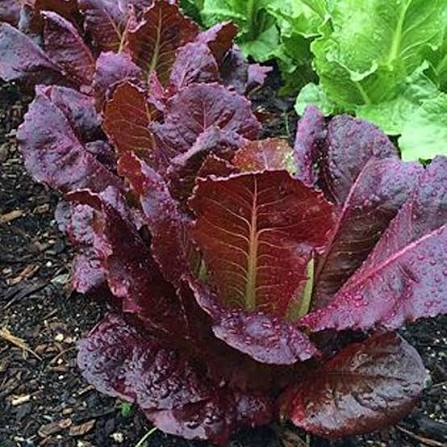
Key Features
- Produces attractive red to reddish-green lettuce leaves.
- Heirloom, non-GMO seed choice for home vegetable gardens.
- Adds rich color and texture to salads, sandwiches, wraps, and fresh dishes.
- Suitable for garden beds, raised beds, containers, and kitchen gardens.
- Performs best during cool growing seasons with fertile, well-drained soil.
Growing Benefits
- Adds vibrant red color to the home vegetable garden.
- Provides fresh leafy greens for everyday meals and salads.
- Compact plants are suitable for smaller spaces and container gardening.
- Pairs beautifully with green and purple lettuce varieties.
- A practical choice for gardeners growing colorful heirloom vegetables.
Seed Specifications
- Common Name: Red Lettuce
- Botanical Name: Lactuca sativa
- Plant Type: Cool-season annual
- Leaf Color: Red to reddish-green
- Growth Habit: Leafy rosette
- Sunlight: Full sun to partial shade
- Soil: Fertile, loose, well-drained soil
- Water: Regular and consistent
- Germination Time: Approximately 2–10 days under favorable conditions
- Sowing Depth: Approximately ⅛ inch
- Spacing: Approximately 6–12 inches, depending on variety and desired harvest size
- Growing Zones: Generally suited to USDA Zones 2–11 as a cool-season crop
- Maturity: Approximately 30–70 days, depending on variety and harvest stage
- Uses: Salads, sandwiches, wraps, fresh greens, containers, raised beds, and edible gardens
Growing Tips
- Sow seeds directly outdoors during cool weather.
- Scatter seeds over finely prepared soil and cover lightly.
- Keep the soil consistently moist during germination.
- Thin seedlings after emergence to provide sufficient growing space.
- Make successive sowings every few weeks during suitable cool weather for repeated harvests.
- Provide afternoon shade during warmer periods to help reduce heat stress.
Seed Storage
Store unused seeds in a cool, dry, dark location. Keep them sealed in their original packet or an airtight container away from moisture, heat, and direct sunlight.
Unique Facts About Seeds
- Red lettuce is a member of the Asteraceae family, along with sunflowers and daisies.
- Red and reddish lettuce leaves contain naturally occurring pigments that create their distinctive color.
- Lettuce is generally considered a cool-season crop and grows best in mild temperatures.
- Lettuce seeds are very small and should be sown shallowly for easier emergence.