



Key Features
-
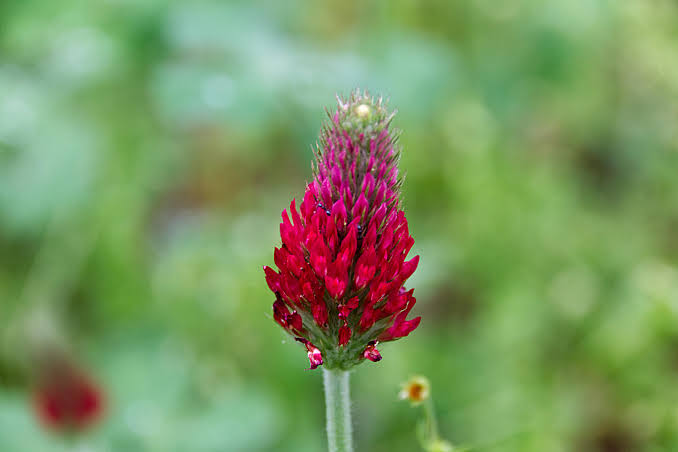
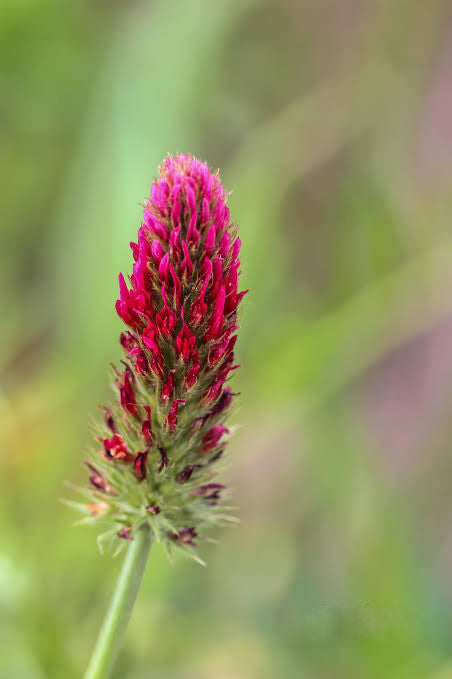
Botanical variety known as Red Henbit, a member of the mint family.
-
Features small reddish-purple flowers and softly textured green leaves.
-
Low-growing annual herb with a spreading growth habit.
-
Suitable for wildflower gardens, naturalized areas, and pollinator-friendly spaces.
-
Traditional medicinal herb with a history of use in herbal preparations.
Growing Benefits
-
Supports early-season pollinators with nectar-rich flowers.
-
Adds natural color and texture to informal garden spaces.
-
Grows readily in suitable conditions with minimal maintenance.
-
Offers an opportunity to explore traditional herb gardening.
-
Helps create a natural groundcover effect in open garden areas.
Seed Specifications
-
Common Name: Red Henbit, Purple Deadnettle
-
Botanical Name: Lamium purpureum
-
Plant Type: Annual herbaceous flowering plant
-
Colors: Green foliage with reddish-purple flowers
-
Height: Typically reaches around ten to thirty centimeters
-
Sunlight: Full sun to partial shade
-
Soil: Adaptable to well-drained garden soil
-
Water: Moderate moisture; tolerates some dry conditions once established
-
Germination Time: Usually around one to three weeks under suitable conditions
-
Sowing Depth: Surface sow or cover very lightly
-
Spacing: Thin seedlings to allow approximately ten to fifteen centimeters between plants
-
Growing Zones: Commonly grown across temperate regions; local growing conditions determine suitability
-
Flowering/Maturity: Often flowers from late winter through spring in mild climates
-
Uses: Traditional herbal preparations, pollinator gardens, naturalized areas, and groundcover
Growing Tips
-
Sow seeds in a prepared garden bed or a suitable container with drainage.
-
Keep the soil lightly moist until seedlings become established.
-
Allow enough space for air circulation and natural spreading.
-
Remove unwanted seedlings before they produce mature seeds to prevent excessive spreading.
Seed Storage
Store seeds in a cool, dry, dark place in a sealed container. Keep them away from moisture, direct sunlight, and excessive heat. Label the container with the plant name and storage date.
Unique Facts About Seeds
-
Red henbit belongs to the mint family, Lamiaceae.
-
Its seeds are small, brown, and lightly speckled.
-
The plant has square stems and opposite leaves, typical characteristics of many mint-family plants.
-
The flowers provide a source of nectar for bees during cooler seasons.