Skip to product information
1 of 3

EdenValleySeeds

Red Fig Fruit Seeds for Planting – Heirloom Non-GMO Garden Seeds

Red Fig Fruit Seeds for Planting – Heirloom Non-GMO Garden Seeds

Regular price $16.99 USD
Regular price Sale price $16.99 USD
Sale Sold out
Taxes included. Shipping calculated at checkout.
Size
Quantity

DELIVERY ESTIMATE

—

Estimated arrival

ORDER—Order placed
ORDER READY—Processing estimate
DELIVERED—Estimated delivery

♢

Secure checkout
Carefully packed seeds
Tracked delivery
Quality-focused selection
View full details

Key Features

  • Grow a fig tree from seed for a rewarding long-term gardening project

  • Develops attractive lobed green foliage and a spreading growth habit

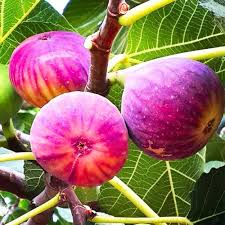
  • Produces fig fruits that may develop reddish to deep red flesh depending on genetics

  • Excellent for home gardens, edible landscapes, patios, and fruit-tree collections

  • Suitable for containers when provided with adequate sunlight and growing space

Growing Benefits

  • Adds attractive foliage and structure to edible landscapes

  • Creates an enjoyable seed-to-tree growing experience

  • Offers the possibility of distinctive homegrown fig fruit

  • Suitable for gardens, patios, and container growing in appropriate climates

  • Makes an interesting addition to fruit-tree collections

Seed Specifications

  • Plant Type: Deciduous fruit tree; woody perennial

  • Botanical Name: Ficus carica

  • Fruit Color: Green to purple or reddish exterior; flesh color varies by variety and seedling

  • Growth Habit: Spreading shrub or small tree with broad lobed leaves

  • Garden Use: Home gardens, edible landscapes, patios, containers, orchards, and fruit-tree collections

Growing Tips

  • Choose a warm, sunny location protected from prolonged freezing temperatures.

  • Use fertile, well-draining soil because fig roots perform poorly in consistently waterlogged conditions.

  • Maintain even moisture while seedlings establish, especially during warm or dry periods.

  • Be patient with seed-grown figs, as seedlings can take years to fruit and may differ from the parent plant.

Seed Storage

Keep seeds in a cool, dry location away from direct sunlight, heat, and excessive humidity. Protect them from moisture fluctuations until ready for planting. For best results, use fresh, viable seed whenever possible.

Unique Facts About Seeds

  • The common fig belongs to the mulberry family, Moraceae.

  • Fig trees can develop attractive broad, deeply lobed leaves and a distinctive branching form.

  • Seed-grown figs are genetically variable and may produce fruit different from the parent plant.

  • Some fig varieties require specialized pollination involving fig wasps, while many cultivated common figs can produce fruit without pollination.

  • Seed-grown plants generally require more patience than vegetatively propagated fig plants before producing fruit.

Growing Instructions

Planting Season: Start seeds during a warm growing period. In cooler climates, begin indoors in a protected environment.

Sowing: Sow clean seeds in a fine, well-draining seed-starting medium. Press them gently into the surface and cover only lightly.

Planting Depth: Cover the tiny seeds with a very thin layer of growing medium. Avoid deep planting.

Spacing: Start seedlings with adequate separation or use individual small containers to minimize root disturbance.

Sunlight: Provide bright light during early growth and gradually acclimate seedlings to stronger direct sunlight.

Soil: Use a loose, fertile, well-draining growing medium. Avoid heavy soil that remains saturated.

Watering: Keep the medium consistently moist during germination without allowing standing water. Water established plants when the soil begins to dry.

Germination: Fig seeds can germinate under warm, moist conditions, though emergence time varies with seed freshness and growing conditions.

Transplanting: Transplant established seedlings carefully once they have developed several healthy leaves and a stronger root system.

Fertilizing: Once established, provide nutrients appropriate for fruit trees according to soil conditions and plant growth. Avoid excessive feeding of young seedlings.

Care: Protect young plants from frost, severe cold, strong drying winds, and prolonged waterlogging. Prune established plants as needed to maintain a manageable structure.

Maturity: Seed-grown fig trees require patience and may take several years to reach fruiting maturity. Fruit color, flavor, size, and production can vary because seedlings do not necessarily reproduce the parent variety.