Skip to product information
1 of 3

Eden Valley Seeds

Red Clover Medicinal Herb Seeds – Trifolium pratense

Red Clover Medicinal Herb Seeds – Trifolium pratense

Regular price $16.99 USD
Regular price Sale price $16.99 USD
Sale Sold out
size
Quantity

DELIVERY ESTIMATE

—

Estimated arrival

ORDER—Order placed
ORDER READY—Processing estimate
DELIVERED—Estimated delivery

♢

Secure checkout
Carefully packed seeds
Tracked delivery
Quality-focused selection
View full details

Key Features

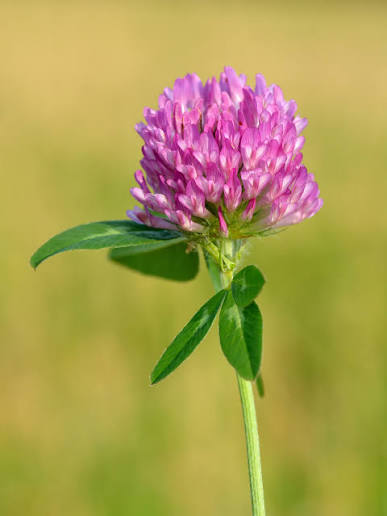
  • Red clover produces attractive pinkish-red to purple flower heads.

  • A short-lived perennial legume with soft, green, trifoliate leaves.

  • Popular for cottage gardens, wildflower meadows, and pollinator-friendly spaces.

  • Its flowers attract bees, butterflies, and other beneficial pollinators.

  • Traditionally valued as a medicinal herb and useful cover crop.

Growing Benefits

  • Pollinator Support: Attracts bees and beneficial insects with nectar-rich flowers.

  • Soil Improvement: Helps enrich garden soil through natural nitrogen fixation.

  • Garden Beauty: Adds charming pink-red blooms to meadows and cottage gardens.

  • Easy Establishment: Grows well in suitable soils with basic garden care.

  • Traditional Herbal Interest: A valued plant in traditional herbal practices.

Seed Specifications

  • Common Name: Red Clover

  • Botanical Name: Trifolium pratense

  • Plant Type: Short-lived perennial legume

  • Colors: Pink, rose-red, and purplish-red flowers with green leaves

  • Height: Approximately one to three feet

  • Sunlight: Full sun to partial shade

  • Soil: Well-drained, moderately fertile soil; tolerates a range of soil types.

  • Water: Moderate watering; prefers evenly moist soil during establishment.

  • Germination Time: Usually seven to fourteen days under favorable conditions.

  • Sowing Depth: Approximately one-eighth inch.

  • Spacing: Allow approximately six to twelve inches between established plants.

  • Growing Zones: Generally suitable for USDA Zones three through nine, depending on local conditions.

  • Flowering/Maturity: Usually flowers in its second growing season when grown as a biennial; flowering can vary with climate and planting time.

  • Uses: Pollinator gardens, wildflower meadows, cover cropping, forage, and traditional herbal applications.

Growing Tips

  • Choose a sunny location for stronger growth and abundant flowering.

  • Prepare the soil by removing weeds and loosening the surface.

  • Keep the soil lightly moist while seeds are establishing.

  • Avoid excessive fertilizer, especially nitrogen-rich fertilizers.

Seed Storage

Store Red Clover seeds in a cool, dry, and dark location. Keep them in an airtight container or sealed seed packet, away from moisture, direct sunlight, and excessive heat. Label the container with the variety and storage date to help maintain seed quality.

Unique Facts About Red Clover Seeds

  • Red Clover belongs to the legume family, Fabaceae.

  • Its flower heads contain many tiny individual flowers grouped together.

  • The plant develops a deep root system that helps improve soil structure.

  • Red Clover is widely grown as a forage crop and green manure plant.

Growing Instructions

Planting Season

Sow seeds during spring or early autumn when temperatures are mild. Choose a planting period that allows seedlings to establish before extreme heat or freezing weather.

Sowing

Prepare a weed-free planting area by loosening the upper soil layer. Scatter seeds evenly or sow them in shallow rows. Lightly cover with fine soil and gently press the surface to ensure good seed-to-soil contact.

Planting Depth and Spacing

Sow seeds approximately one-eighth inch deep. Allow around six to twelve inches between established plants for healthy growth and airflow.

Sunlight Requirements

Red Clover grows best in full sun but can tolerate partial shade. A sunny location generally encourages stronger growth and better flowering.

Soil Requirements

Use well-drained soil with moderate fertility. Red Clover adapts to different soil conditions but generally performs best in soil that is not waterlogged.

Watering

Water gently after sowing and maintain consistent moisture during germination. Once established, plants can tolerate some dry conditions, although occasional watering helps during prolonged dry weather.

Germination

Seeds typically germinate within seven to fourteen days under favorable moisture and temperature conditions. Germination may take longer when conditions are unsuitable.

Transplanting

Direct sowing is generally preferred. If seedlings are started in containers, transplant them while young, keeping their roots as undisturbed as possible.

Fertilizing

Avoid excessive nitrogen fertilizer because Red Clover can fix atmospheric nitrogen through its root-associated bacteria. A soil test can help determine whether other nutrients are needed.

Plant Care

Remove competing weeds while plants are young. Maintain good airflow and avoid prolonged waterlogging. Allow established plants enough space to develop naturally.

Flowering and Maturity

Red Clover generally produces its main flowering display during its second growing season when grown as a biennial. Flowering time varies according to climate, sowing date, and growing conditions.