


Key Features
-
Grow distinctive Opuntia cactus from seed
-
Produces characteristic flat, paddle-like green stems
-
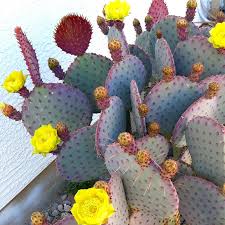
Can develop colorful flowers and purple to reddish-purple fruit depending on species
-
Excellent for xeriscapes, rock gardens, patios, and cactus collections
-
Naturally suited to sunny, dry growing environments
-
Drought-tolerant once established
-
An exciting long-term project for cactus and succulent enthusiasts
Growing Benefits
-
Adds bold architectural texture to sunny landscapes
-
Creates an attractive desert-inspired garden display
-
Requires relatively little water once established
-
Works beautifully in rock gardens and decorative containers
-
Provides seasonal flowers and colorful fruit on suitable plants
-
Offers the rewarding experience of growing a cactus from seed
Seed Specifications
-
Plant Type: Perennial cactus; genus Opuntia
-
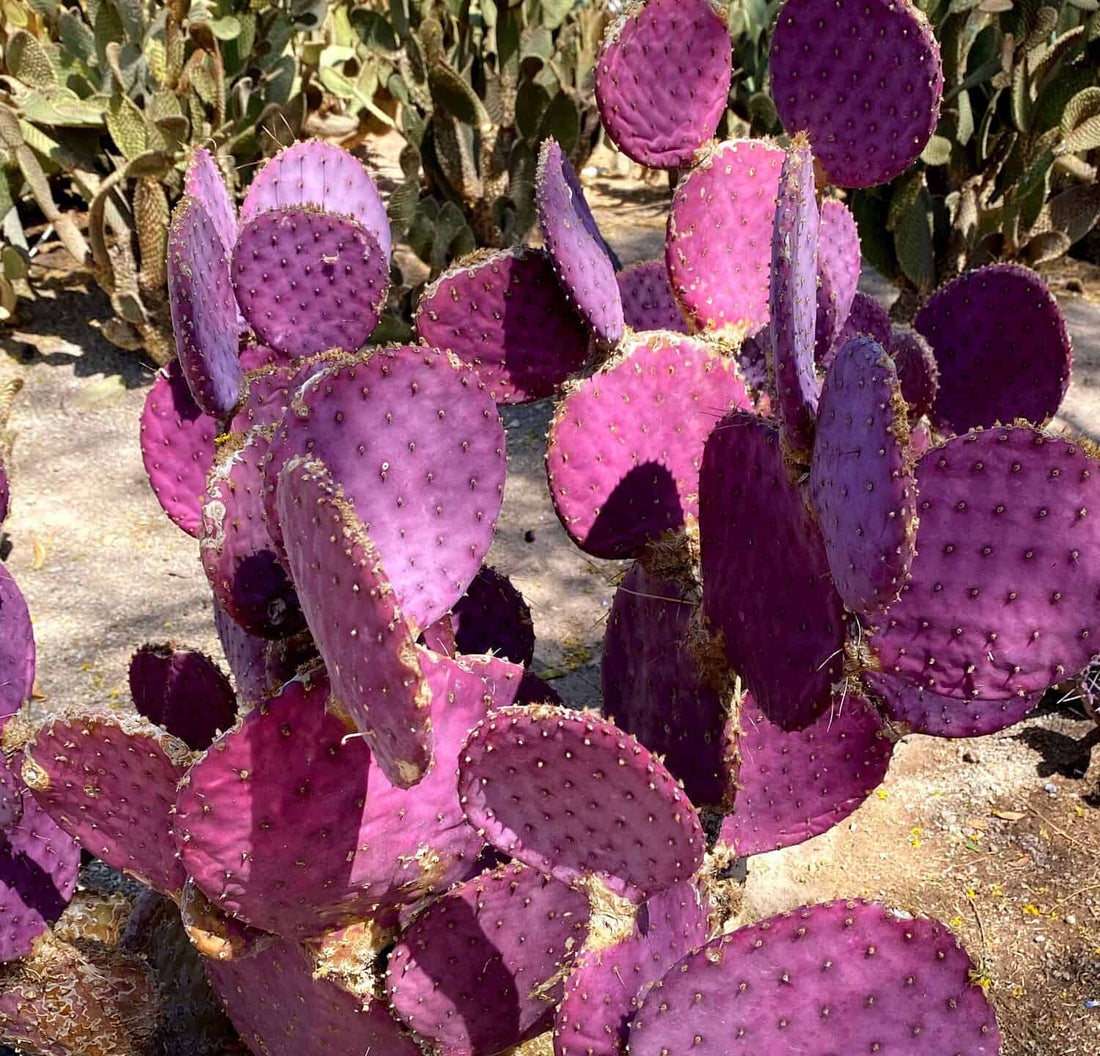
Stems: Flattened, fleshy paddle-like segments with areoles, glochids, and sometimes prominent spines
-
Fruit: Fleshy fruits that may develop red, purple, or burgundy coloration depending on the species
-
Growth Habit: Spreading, upright, or shrubby cactus depending on species
-
Growing Environment: Full sun, warm conditions, and sharply draining soil
Growing Tips
-
Choose a sunny location receiving several hours of direct light each day.
-
Use gritty, sharply draining cactus soil to reduce the risk of root rot.
-
Water lightly and allow the growing medium to dry between watering.
-
Handle mature plants carefully because Opuntia can have spines and tiny barbed glochids.
Seed Storage
Keep unused seeds in a cool, dry, dark location protected from humidity and excessive heat. Store them in a sealed seed packet or container until planting. Avoid prolonged exposure to moisture, which can reduce seed quality.
Unique Facts About Seeds
Opuntia cacti are recognized by their flattened stem segments, commonly called pads or cladodes. Depending on the species, they can produce showy cup-shaped flowers followed by fleshy fruits that may mature from red to purple. Some purple-fruited Opuntia species, such as Opuntia phaeacantha, are known for purple or reddish-purple edible fruits.
Opuntia seeds can have a hard seed coat that contributes to dormancy, making seed propagation slower or less predictable than propagation from stem pads. Research on Opuntia ficus-indica has found that warm temperatures and light can support germination, while scarification may improve emergence.
Growing Instructions
Planting Season: Start seeds in spring or during a warm growing period when temperatures are suitable for cactus growth.
Sowing: Use a sterile, gritty, well-draining cactus seed mix. Lightly moisten the medium before sowing and place the seeds on or just beneath the surface.
Depth: Cover very lightly with fine growing medium rather than burying deeply.
Spacing: Sow individually in small containers when possible to reduce root disturbance during later growth.
Sunlight: Provide bright light during germination and gradually introduce young seedlings to stronger direct sunlight.
Soil: Use sandy, gritty, sharply draining cactus soil. Avoid heavy soils that retain water around the roots.
Watering: Keep the medium lightly moist during germination, then allow it to dry progressively between watering as seedlings become established.
Germination: Opuntia seeds can show physical dormancy because of their hard seed coats. Germination may be slow and uneven. Research on O. ficus-indica found favorable germination around warm temperatures and reported benefits from suitable scarification methods.
Transplanting: Transplant young seedlings only after they are well established. Handle carefully and avoid unnecessary root disturbance.
Fertilizing: Once actively growing, provide a light cactus fertilizer according to the product label. Avoid excessive feeding.
Care: Provide excellent drainage, strong sunlight, good airflow, and careful watering. Protect young plants from prolonged cold and excessive moisture.
Flowering and Fruit Development: Mature Opuntia plants can produce attractive summer flowers followed by fleshy fruits. Fruit color and shape vary by species, and seed-grown plants may not exactly reproduce the characteristics of the parent plant.
Purple Opuntia Cactus Seeds for Planting – Garden Seeds
Grow Purple Opuntia cactus from seed and enjoy striking pads, colorful flowers, and potential purple fruit in sunny, dry garden spaces.
Image Alt Text:
Purple Opuntia cactus seeds for planting with colorful prickly pear fruit and paddle-shaped stems
Primary Image Filename:
purple-opuntia-cactus-seeds-for-planting.jpg
Additional SEO-Friendly Image Filenames:
purple-opuntia-prickly-pear-seeds.jpg
opuntia-cactus-garden-seeds.jpg
purple-prickly-pear-cactus-seedling.jpg
Image Text Options:
Grow Purple Opuntia
Desert Beauty From Seed
Plant Your Prickly Pear
Bring Cactus Beauty Home