


Key Features
-
Heirloom Variety: Purple Calabash Tomato is an old-fashioned, open-pollinated tomato variety valued for its unusual shape and rich flavor.
-
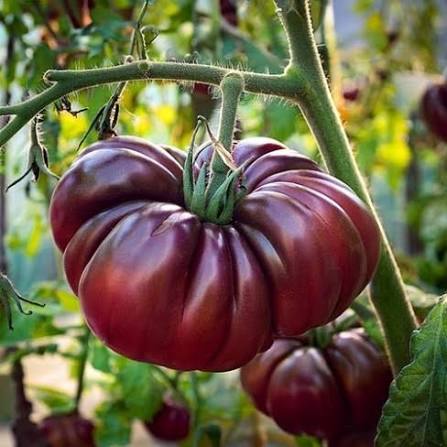
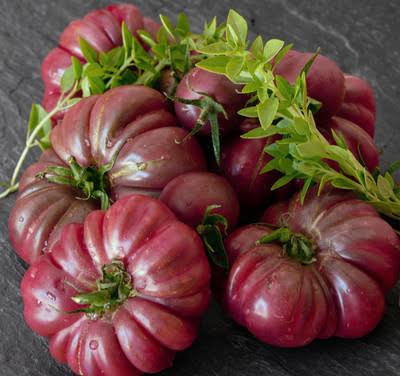
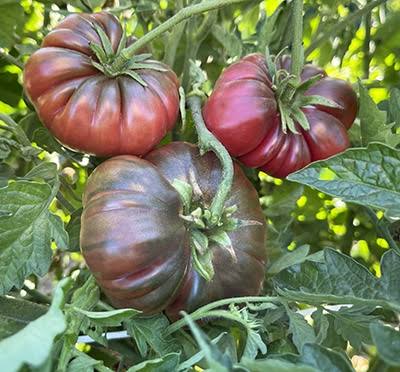
Fruit Color: Produces deep reddish-purple to mahogany-colored tomatoes with distinctive ribbed surfaces.
-
Plant Characteristics: Vigorous indeterminate tomato plants with green foliage and clusters of uniquely shaped fruits.
-
Garden Uses: Suitable for home vegetable gardens, raised beds, greenhouses, and large containers with sturdy support.
-
Special Feature: Known for its flattened, deeply ribbed fruits and complex, tangy-sweet flavor.
Growing Benefits
-
Unique Garden Harvests: Grow distinctive purple-red tomatoes with dramatic ribbed shapes.
-
Rich Tomato Flavor: Enjoy a complex, bold flavor with a balance of sweetness and acidity.
-
Extended Harvesting: Indeterminate plants can continue producing flowers and fruits throughout favorable growing conditions.
-
Versatile Kitchen Uses: Excellent for fresh slicing, salads, sandwiches, and homemade sauces.
-
Heirloom Gardening: Cultivate an open-pollinated variety and preserve seeds for future planting when properly isolated.
Seed Specifications
-
Common Name: Purple Calabash Tomato
-
Botanical Name: Solanum lycopersicum
-
Plant Type: Warm-season annual, indeterminate heirloom tomato
-
Colors: Deep reddish-purple to mahogany fruits, green foliage
-
Height: Approximately five to seven feet with suitable support
-
Sunlight: Full sun, six to eight hours daily
-
Soil: Fertile, well-drained soil with slightly acidic pH
-
Water: Consistent, deep watering without waterlogging
-
Germination Time: Approximately five to ten days under favorable warm conditions
-
Sowing Depth: Approximately one-quarter inch
-
Spacing: Twenty-four to thirty-six inches between plants
-
Growing Zones: Suitable for seasonal cultivation across USDA zones with sufficient frost-free growing periods
-
Flowering/Maturity: Approximately eighty to ninety days after transplanting, depending on growing conditions
-
Uses: Fresh slicing, salads, sandwiches, sauces, and heirloom vegetable gardening
Growing Tips
-
Start Seeds Indoors: Sow seeds indoors six to eight weeks before the expected last spring frost.
-
Provide Strong Support: Use sturdy tomato cages, stakes, or trellises to support vigorous vines and developing fruits.
-
Maintain Even Moisture: Water deeply and consistently to support healthy fruit development and reduce cracking.
-
Harvest When Fully Colored: Pick tomatoes when they develop a rich reddish-purple to mahogany color and feel slightly yielding.
Seed Storage
Store Purple Calabash Tomato seeds in a clean, airtight container in a cool, dry, dark location. Protect seeds from direct sunlight, excessive heat, and humidity. Label the container with the variety name and storage date. Properly dried tomato seeds can remain viable for several years under suitable storage conditions.
Unique Facts About Seeds
-
Distinctive Ribbed Shape: Purple Calabash tomatoes are recognized for their flattened, deeply ribbed fruits, which resemble miniature pumpkins.
-
Historic Heirloom Variety: Purple Calabash is an established heirloom tomato appreciated by gardeners who enjoy preserving unusual vegetable varieties.
-
Complex Flavor Profile: Its rich, tangy-sweet taste makes it a distinctive choice for fresh tomato dishes.
-
Open-Pollinated Seeds: Seeds collected from properly isolated, healthy plants can produce similar plants in future growing seasons.