


Key Features
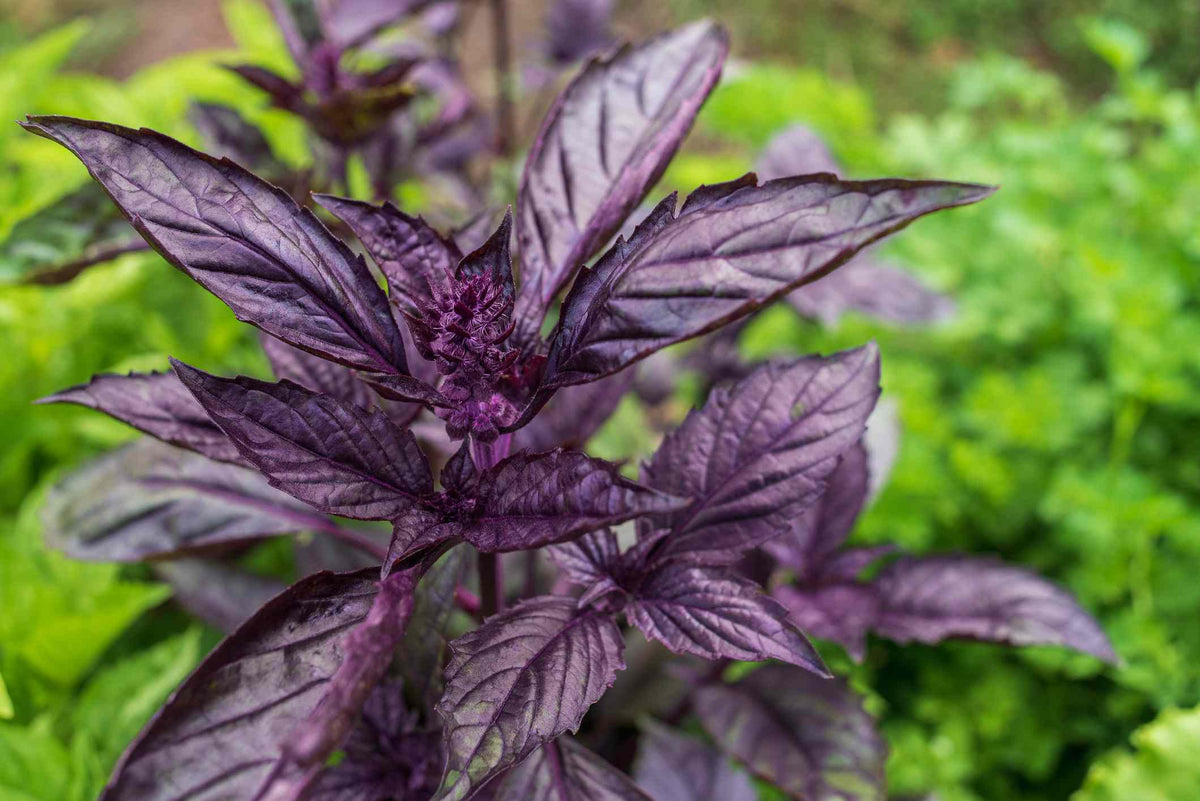
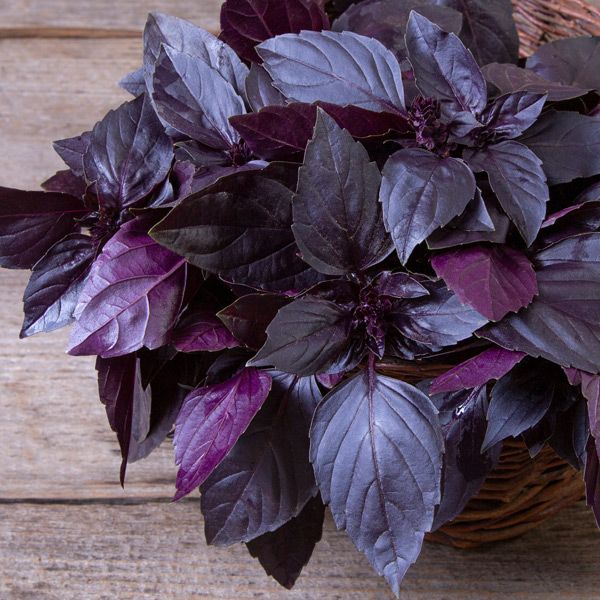
- Attractive basil variety featuring deep purple to burgundy foliage.
- Aromatic leaves add distinctive color and flavor to herb gardens.
- Compact, leafy growth works well in garden beds, containers, and kitchen gardens.
- Produces small flowers that can attract pollinators when allowed to bloom.
- Excellent choice for gardeners seeking ornamental and culinary herb appeal.
Growing Benefits
- Adds rich purple foliage and visual interest to edible gardens.
- Provides fresh aromatic leaves for home culinary use.
- Easy-to-grow herb for beginner and experienced gardeners.
- Grows well in containers, raised beds, and sunny garden spaces.
- Combines decorative foliage with practical kitchen-garden value.
Seed Specifications
- Common Name: Purple Basil
- Botanical Name: Ocimum basilicum
- Plant Type: Annual herb
- Colors: Purple, burgundy, and greenish-purple foliage; small pink-purple flowers
- Height: Approximately one to two feet
- Sunlight: Full sun
- Soil: Fertile, well-draining soil rich in organic matter
- Water: Regular, consistent moisture without waterlogging
- Germination Time: About five to ten days under suitable conditions
- Sowing Depth: About one-quarter inch deep
- Spacing: Approximately eight to twelve inches apart
- Growing Zones: USDA Zones ten to eleven as a perennial; grown as an annual in cooler zones
- Flowering/Maturity: Leaves can be harvested throughout the growing season; flowering generally occurs after established vegetative growth
- Uses: Culinary herb gardens, containers, salads, garnishes, sauces, and ornamental plantings
Growing Tips
- Sow seeds in warm soil because basil germinates best under warm conditions.
- Pinch growing tips regularly to encourage bushier plants and more leafy growth.
- Harvest leaves frequently before extensive flowering for continued tender foliage.
- Provide good air circulation and avoid keeping the foliage constantly wet.
Seed Storage
Keep Purple Basil seeds in a cool, dry, dark location. Store them in an airtight container away from moisture, heat, and direct sunlight. Proper storage helps maintain seed quality until planting.
Unique Facts About Seeds
- Purple Basil belongs to the mint family, Lamiaceae.
- Its purple coloration comes from natural pigments called anthocyanins.
- Basil is native to tropical regions of central Africa to Southeast Asia and is widely cultivated worldwide.
- Allowing basil to flower can provide nectar and pollen for visiting pollinators.